




Emergency data across Lagos State has revealed significant trends in incident categories and local government responses, highlighting road-related emergencies as the most frequent cases recorded during the review period.
Eko Hot News reports that the Road Accident category ranked highest with 394 incidents, making it the most reported emergency type across all categories assessed in the state.
The Truck and Tanker category followed with a notable number of cases, while Fire Disaster incidents ranked third among the major emergency classifications recorded.
Further analysis showed that the Marine category recorded the least number of incidents, with only 2 cases reported during the period under review.
Air Crash and Spillage or Leakage categories also recorded minimal figures, with 3 cases each, reflecting lower occurrence rates compared to other emergency types.

The data highlights a clear concentration of emergencies around road transportation, underscoring ongoing safety concerns within the state’s road network and logistics activities.
Officials noted that the pattern of incidents points to the need for continued safety awareness, improved enforcement, and stronger emergency response coordination.
In terms of local government distribution, Alimosho Local Government Area recorded the highest number of emergency incidents with 180 cases.
Eti-Osa followed with 144 incidents, while Ikeja recorded 139 cases, indicating high activity levels in densely populated and commercial districts.
The figures suggest that urban and high-traffic areas continue to experience more emergency cases compared to less populated regions of the state.
At the lower end of the scale, Badagry Local Government Area recorded the least number of incidents with only 3 cases during the period under review.
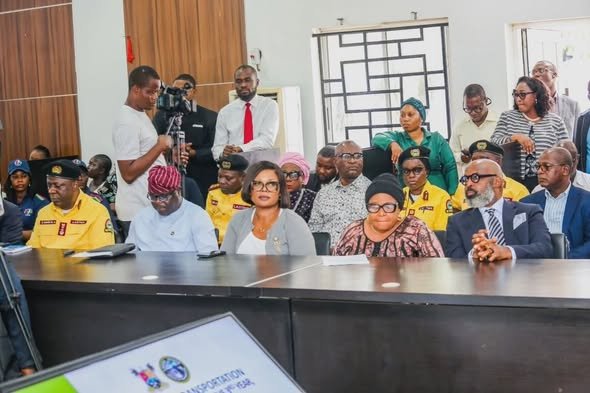
The disparity between high and low incident areas highlights differences in population density, infrastructure usage, and economic activity across Lagos State.
Emergency management authorities emphasized the importance of targeted interventions in high-risk areas to reduce response times and improve safety outcomes.
The report also reinforces the need for continued investment in emergency preparedness systems, public awareness campaigns, and infrastructure safety improvements.
Stakeholders have called for sustained collaboration between government agencies, transport operators, and residents to reduce avoidable incidents across the state.
Lagos State continues to strengthen its emergency response framework to ensure faster reaction times and improved coordination across all categories of incidents.