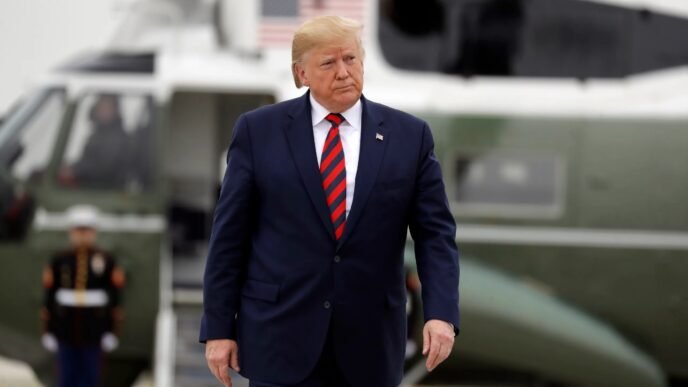





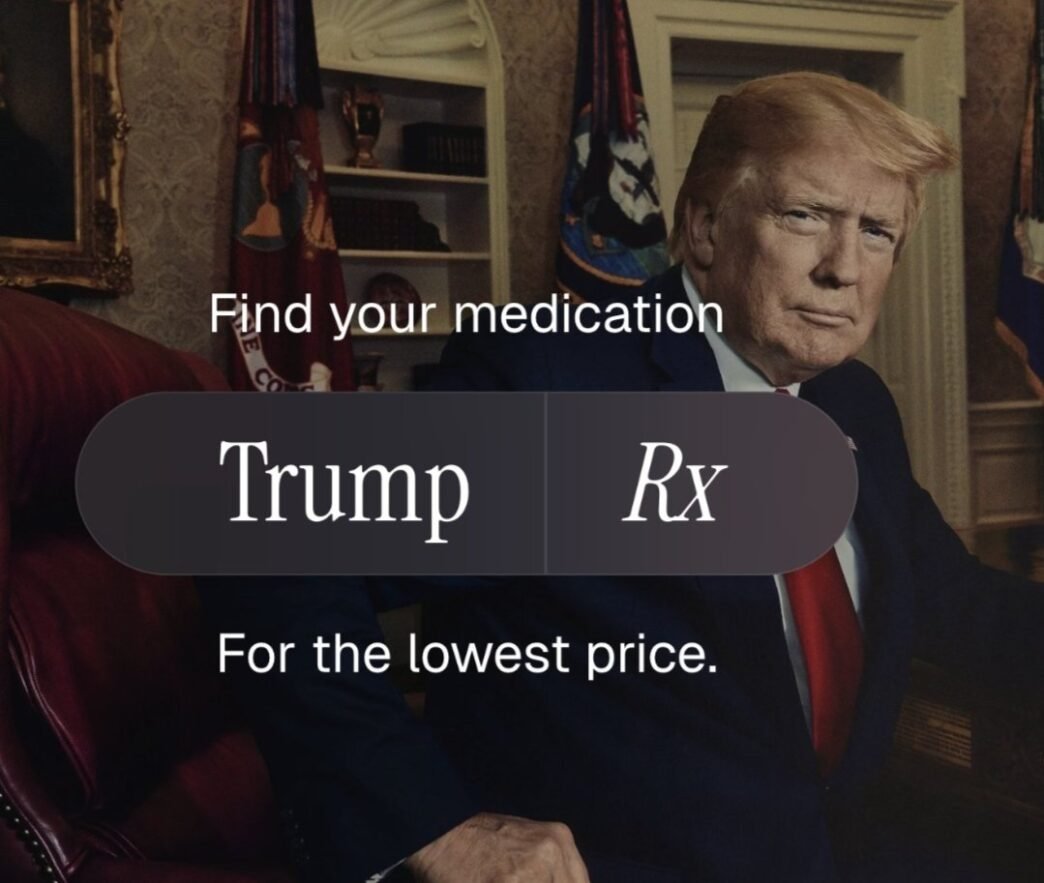
President Donald Trump has unveiled a new phase of his healthcare agenda with the rollout of TrumpRx, a proposal aimed at reducing prescription drug prices for Americans through negotiated agreements with pharmaceutical companies.
Eko Hot News reports that the president announced deals with nine drug manufacturers to cut prices on selected medications, alongside commitments of about $150 billion in new investments in domestic pharmaceutical manufacturing and research. The initiative is positioned as a major consumer relief effort amid rising healthcare costs.

TrumpRx is built around a government-run portal designed to connect consumers directly with lower-cost drugs offered by manufacturers. A central pillar of the policy is the “most favoured nation” pricing model, which seeks to align U.S. drug prices with those paid in other developed countries.
However, economists and healthcare policy experts have raised concerns that while the plan may offer short-term savings, it could create long-term consequences for innovation and access. Analysts argue that price caps do not eliminate costs but often shift them elsewhere within the healthcare system.
Michael Baker, director of healthcare policy at the American Action Forum, said government price-setting mainly affects what patients pay out of pocket rather than the underlying cost of drugs. He noted that development and production expenses remain, meaning someone ultimately absorbs the difference.
According to Baker, these shifts may result in tighter insurance coverage, fewer treatment options, or reduced incentives for pharmaceutical innovation. He warned that patients could gradually lose access to the breadth of advanced treatments that have defined the U.S. healthcare system.
Experts also point to potential impacts on research and development. Mark V. Pauly, a professor of healthcare management at the University of Pennsylvania’s Wharton School, said permanent price caps below market levels are likely to reduce incentives for discovering and bringing new drugs to market.
Pauly stressed that while the negative effect on innovation is expected, its scale remains uncertain. He noted that it is difficult to quantify how many future treatments may never be developed as a result of sustained pricing pressure.
Other analysts argue the Trump administration’s approach differs from stricter price controls used in some countries. Ed Haislmaier of The Heritage Foundation said recent agreements suggest companies may be trading lower prices for benefits such as expanded market access or relief from other costs, including tariffs.

Haislmaier explained that in such cases, pharmaceutical firms may calculate that higher sales volumes could offset lower per-unit prices. He added that the most damaging price controls are those that cap launch prices of new drugs, a policy not currently in place in the United States.
Ryan Long, Paragon’s director of congressional relations, suggested that TrumpRx could also pressure foreign governments to contribute more to global drug development costs. He argued that this strategy could lower prices for American consumers while preserving U.S. leadership in biopharmaceutical innovation.
As TrumpRx moves forward, the debate highlights the balance between immediate affordability and long-term medical progress, with economists urging caution as the administration implements its pricing reforms.