



Renewed military activity around the Strait of Hormuz has raised concerns about the stability of the reported ceasefire between the United States and Iran. The latest developments have prompted fresh attention from governments, global markets and international observers.
Eko Hot News reports that reports indicate that the exchange of fresh actions in the strategically significant region has increased uncertainty over whether the ceasefire can be sustained. Officials from both sides have continued to monitor the evolving situation while the international community calls for restraint and dialogue.
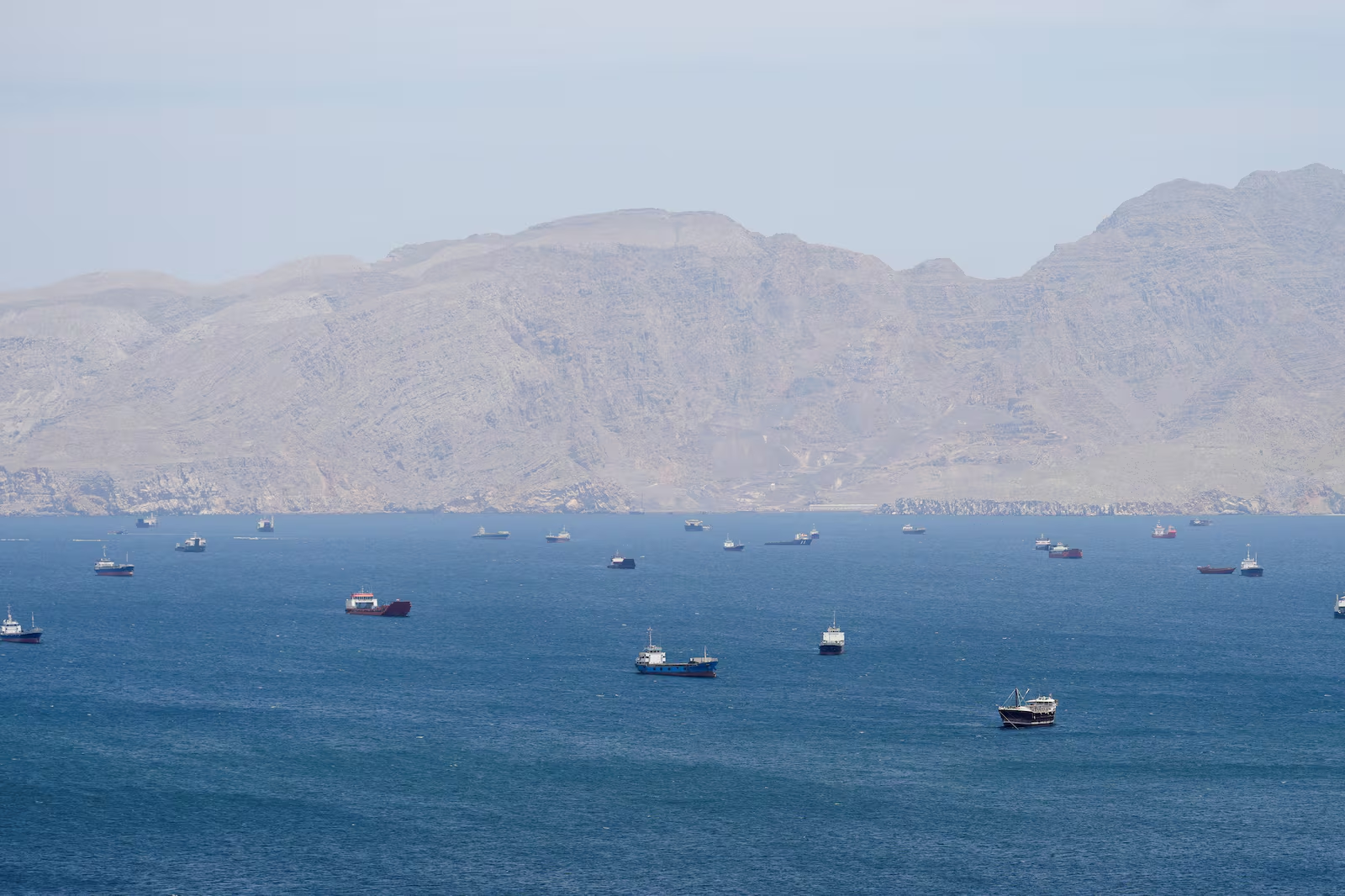
The Strait of Hormuz remains one of the world’s most important maritime routes for global energy supplies. Any disruption in the area is closely watched because of its potential impact on international trade and oil shipments.
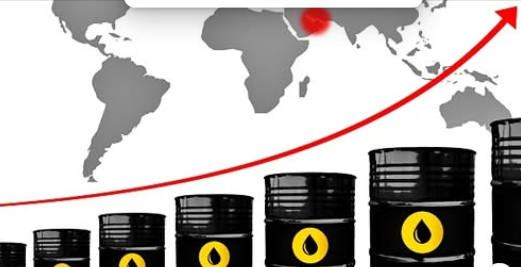
Energy analysts say uncertainty in the region often influences global oil prices and shipping activities. Markets typically respond quickly to developments that could affect the steady movement of crude oil through the waterway.
Governments across the world have continued to urge diplomatic engagement to reduce tensions and preserve regional stability. International organisations have also encouraged all parties to pursue peaceful solutions through dialogue.
Foreign policy experts note that maintaining open communication remains essential to preventing further escalation. They believe sustained diplomatic efforts offer the best opportunity to preserve stability and protect international commerce.
Shipping companies and energy traders are closely monitoring developments in the Strait of Hormuz. Industry stakeholders are assessing potential operational adjustments while awaiting further updates from relevant authorities.
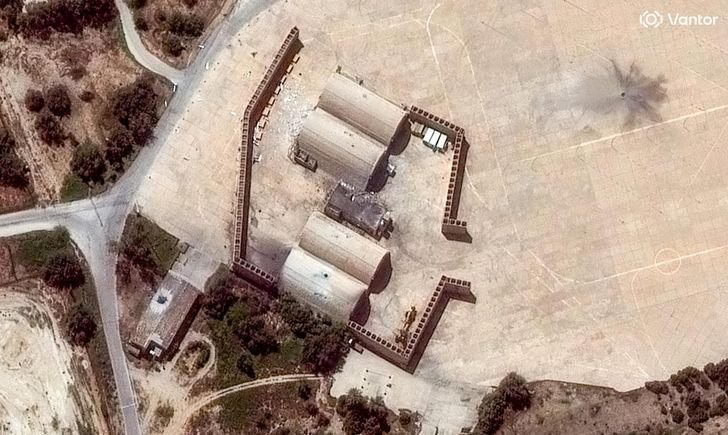
Economic observers say prolonged uncertainty in the region could influence global supply chains and energy markets. They add that stability along key shipping routes is important for maintaining confidence in international trade.
The reported developments have attracted widespread international attention, with several governments reiterating their support for diplomatic engagement. Many leaders have stressed the importance of cooperation in addressing regional challenges.
Security and maritime experts have highlighted the strategic importance of the Strait of Hormuz, describing it as a vital corridor for global energy transportation. They say uninterrupted maritime movement remains critical to the global economy.
Financial markets have also responded cautiously as investors assess the potential implications of the latest reports. Analysts note that geopolitical developments often influence commodity prices and investor sentiment.
Despite the renewed uncertainty, diplomatic channels remain active. International observers continue to encourage constructive engagement aimed at preserving regional peace and supporting long-term stability.
Experts believe sustained dialogue between all parties could help reduce tensions and strengthen confidence in ongoing diplomatic efforts. They also emphasise the importance of protecting international shipping routes and maintaining economic stability.
Governments and international partners are expected to continue monitoring the situation closely while encouraging peaceful engagement. The coming days are likely to be significant in determining the direction of diplomatic efforts and regional developments.
Global attention remains focused on the Strait of Hormuz as stakeholders assess the evolving situation. Observers hope continued diplomatic engagement will help maintain stability, safeguard international trade and support lasting cooperation in the region.