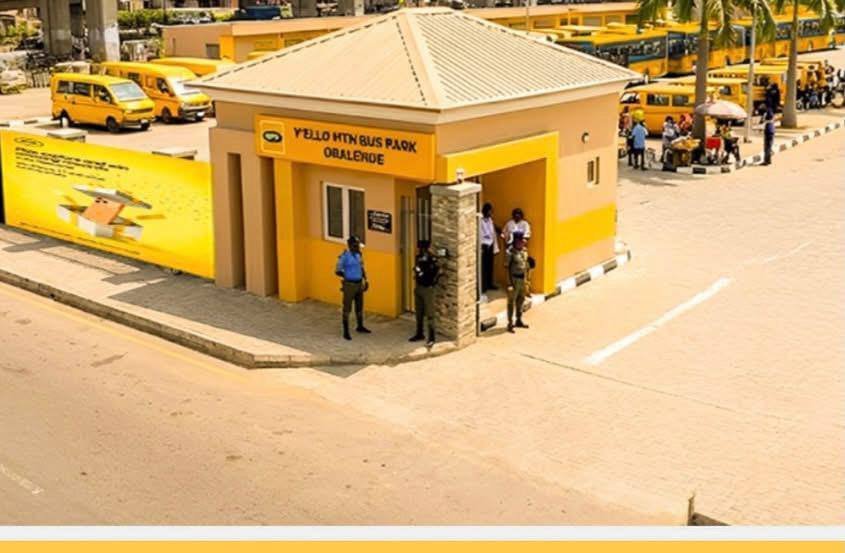




Governor Babajide Sanwo-Olu has approved the transformation of the Obalende Bus Stop into a modern bus transport hub designed to enhance mobility, safety, and aesthetics within the Obalende corridor.
Eko Hot News reports that the project will be fully funded by telecommunications giant MTN as part of its Corporate Social Responsibility (CSR) initiative to support sustainable urban development in Lagos State.
According to a statement signed by the Commissioner for the Environment and Water Resources, Mr Tokunbo Wahab, construction work on the project will commence soon.
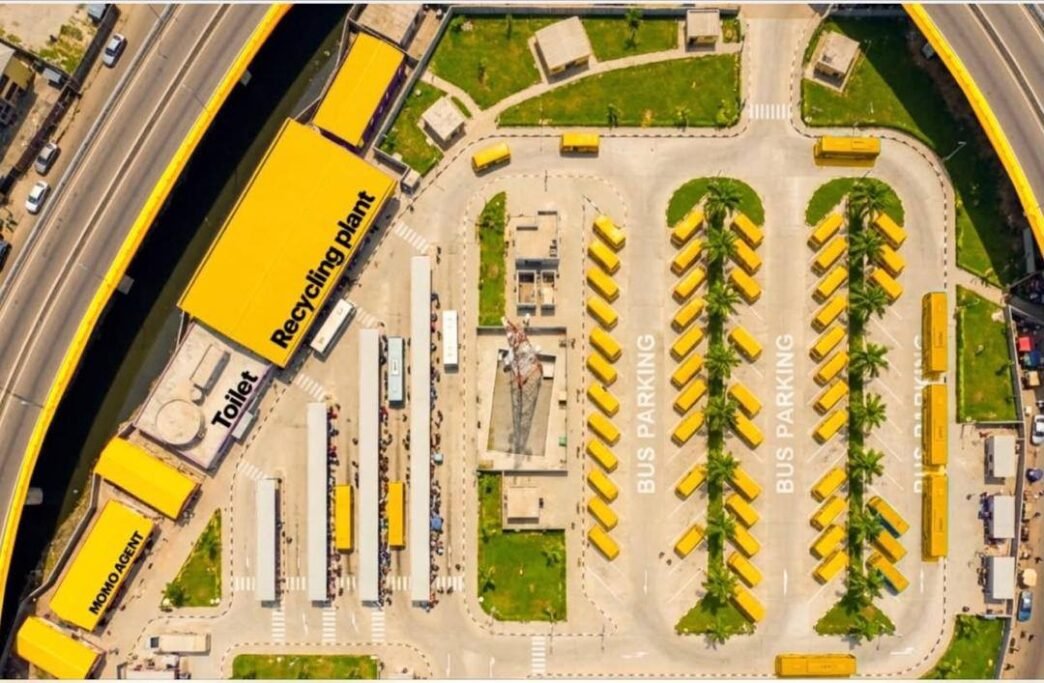
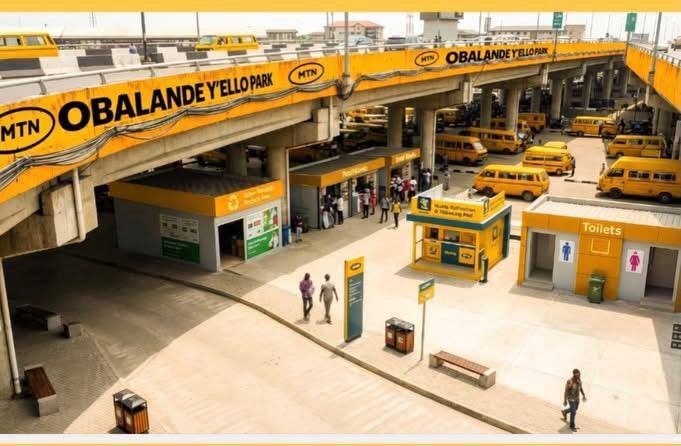
The upgraded facility, to be named Y’ELLO Bus Park, will feature organised and regulated bus operations with clearly labelled directional and location signage.
Wahab disclosed that the transport hub will be powered partly by solar panels to promote energy efficiency and reduce carbon emissions.
He added that a recyclables drop-off station will be incorporated to encourage responsible waste management and recycling practices.
The project will also include tree planting to improve air quality and enhance the overall visual appeal of the area.
Provisions will be made for road camps for LAWMA sweepers and security agencies, including the Lagos State Environmental Sanitation Corps (KAI) and the Neighbourhood Safety Agency.
Other facilities planned for the hub include food and beverage kiosks, ticketing booths, and public toilets aimed at eliminating open defecation.
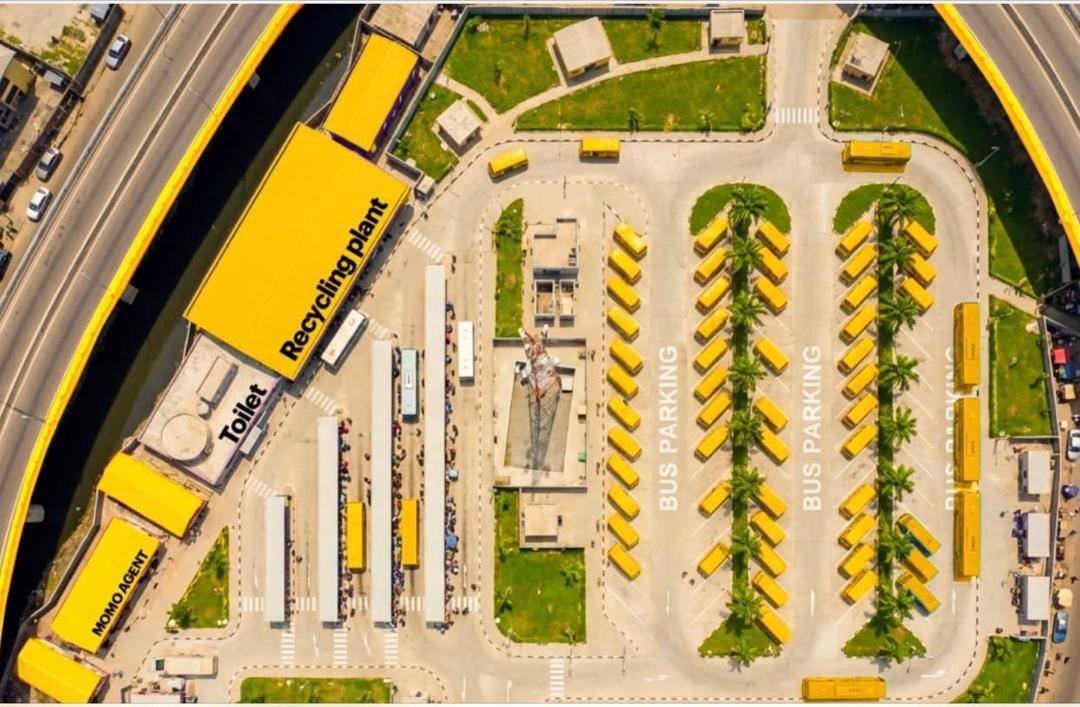
The Commissioner stated that the project is community-focused and designed to improve public health, security, and well-being while reducing crime in the Obalende axis.
He noted that the new hub would also help protect the McGregor Canal, which is often affected by siltation and blockages.
Wahab explained that Obalende Bus Stop is one of Lagos’ busiest transport nodes, linking Ikoyi, Victoria Island, and the Mainland via the Third Mainland Bridge.
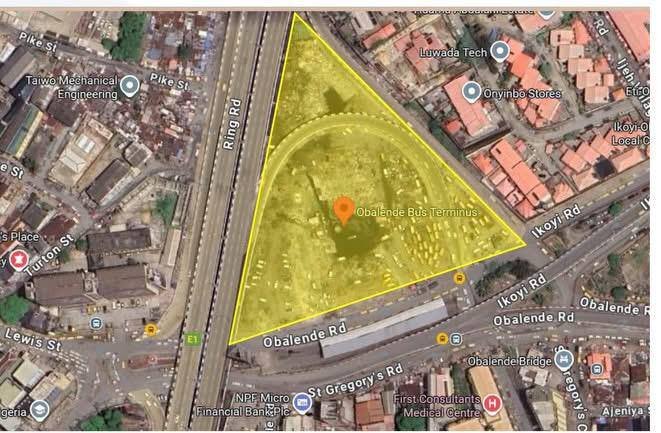
Governor Sanwo-Olu’s approval follows his inspection visit to the site in February 2024, after which enforcement and clean-up exercises were intensified, with recent interventions carried out in December 2025 and January 2026.