




Former Labour Party presidential candidate, Peter Obi, has announced his resignation from the African Democratic Congress (ADC), citing internal challenges and external interference within the party.
Eko Hot News reports that Obi disclosed his decision in a statement shared via his verified account on X on Sunday, explaining that his exit was based on broader concerns about the party’s direction.
The former Anambra State governor clarified that his resignation was not due to any personal grievances with party leaders. He specifically stated that he holds no ill feelings toward the National Chairman, David Mark.
Obi also reaffirmed his respect for Atiku Abubakar, describing him as a political ally and senior figure. He noted that his departure should not be interpreted as a reflection of personal disagreements.
In his statement, Obi expressed concern about emerging internal disputes within the ADC. He warned that the party appears to be experiencing similar issues that affected the Labour Party.
He pointed to what he described as the influence of destabilising forces within Nigeria’s political space. According to him, such developments often lead to divisions and weaken party structures.
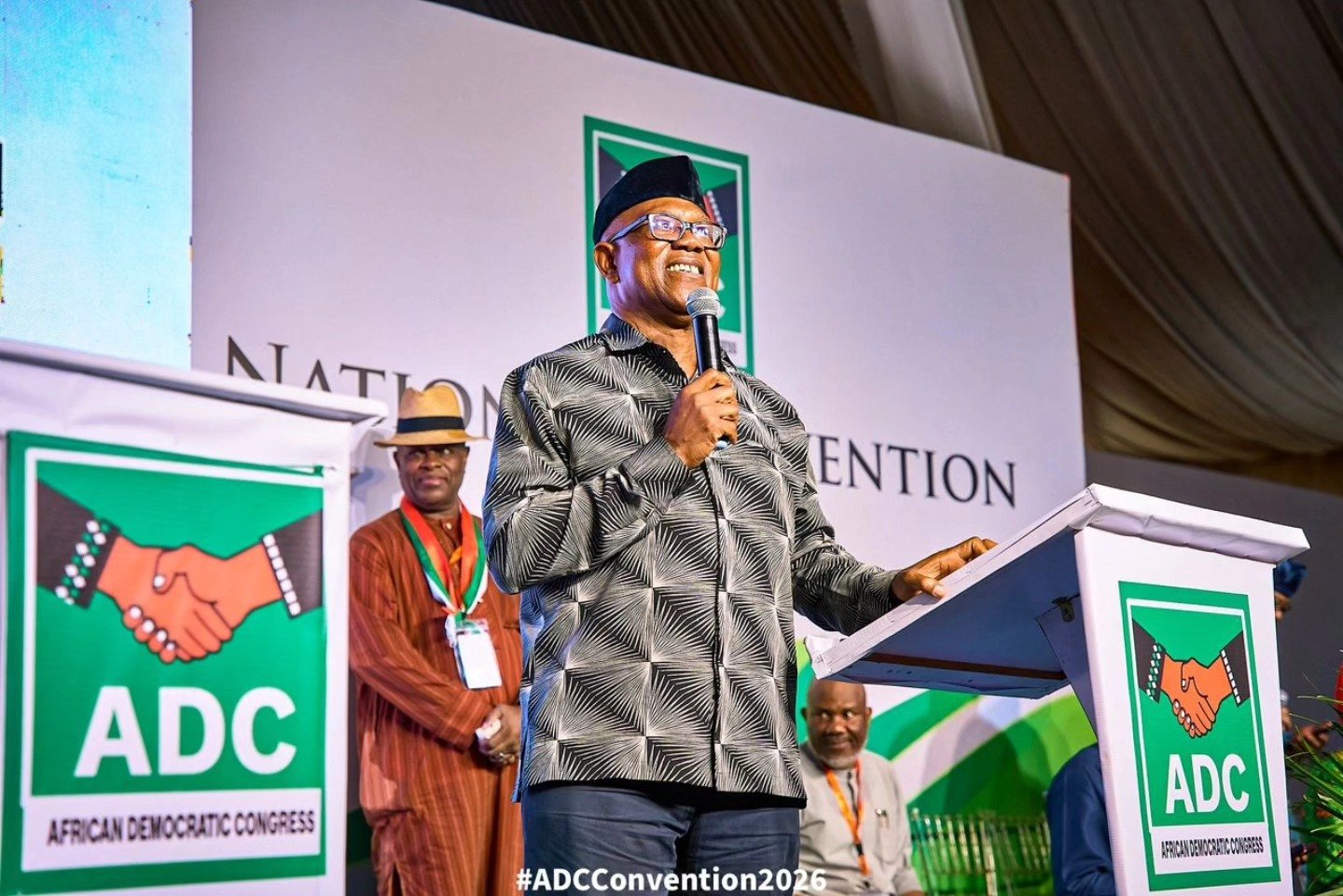
Obi further highlighted the presence of ongoing legal disputes and internal tensions within the ADC. He noted that these issues could hinder the party’s ability to function effectively.
The former presidential candidate criticised the broader political environment in Nigeria. He said that political activities are often shaped by control and exclusion rather than service to the people.
He added that recurring conflicts within political parties distract leaders from addressing critical national issues. According to him, the focus should be on governance and development.
Observers say Obi’s resignation marks a notable shift in Nigeria’s opposition landscape. His departure is expected to influence political alignments ahead of future elections.
Political analysts note that Obi remains a significant figure in Nigerian politics. His next move is likely to attract attention from supporters and stakeholders.
The development has also raised questions about the stability of opposition parties in the country. Analysts believe internal cohesion will be key to their future success.
Supporters of Obi have expressed mixed reactions to the announcement. While some view it as a strategic decision, others are awaiting clarity on his next steps.
The ADC leadership has yet to issue an official response to the resignation. Party members are expected to assess the implications of the development.

Obi’s political journey has continued to draw public interest since the 2023 general elections. His decisions often shape conversations around governance and reform.
The former governor reiterated his commitment to national progress. He emphasised the need for a political system that prioritises unity and development.
Observers say the situation highlights ongoing challenges within Nigeria’s party system. Internal disputes remain a recurring issue across political platforms.
There are expectations that Obi may realign with another political platform. However, he has not announced any immediate plans following his resignation.
The development comes at a time when political actors are repositioning ahead of future electoral cycles. Strategic decisions are likely to shape the direction of opposition politics.
Stakeholders continue to call for reforms that will strengthen internal democracy within parties. Many believe this is essential for sustainable political development.
As events unfold, attention remains on Obi’s next move and its potential impact on Nigeria’s political landscape. His influence is expected to remain significant in shaping future discourse.