



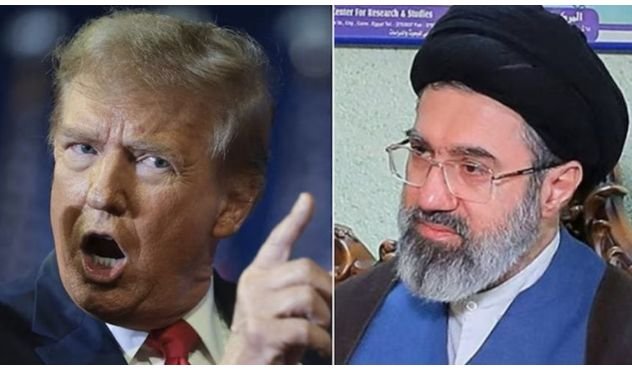
The United States and Iran are reportedly moving closer to a preliminary “Memorandum of Understanding pertaining to PEACE,” a diplomatic development that could temporarily ease rising tensions in the Middle East.
Eko Hot News reports that the draft agreement is said to focus on a short-term pause in hostilities while broader nuclear and security issues remain under negotiation between both nations.
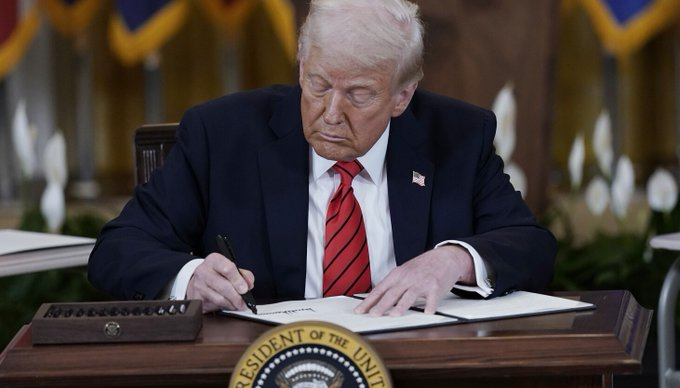
Donald Trump disclosed the development via Truth Social, stating that a major round of discussions had taken place involving several regional powers. He described the talks as a “breakthrough” moment, though officials caution that the agreement remains highly fragile and subject to final approval from both sides.
According to the U.S. President, a wide-ranging conference call included leaders from Saudi Arabia, the United Arab Emirates, Qatar, Pakistan, Turkey, Egypt, Jordan, and Bahrain. The discussions reportedly centered on reducing immediate military risks in the region while exploring a temporary diplomatic framework with Tehran.
Diplomatic momentum appears to have been significantly influenced by Pakistan, where senior military leadership played a quiet but strategic mediating role. Field Marshal Syed Asim Munir reportedly traveled to Tehran for direct consultations, helping relay messages between Washington and Iranian officials during sensitive stages of the negotiation process.
Reports from Axios indicate that the draft reviewed by Washington emerged from backchannel Iran–Pakistan engagements. The remaining disagreements are said to revolve less around core issues and more around technical wording in the document, suggesting that both sides are attempting to refine rather than overhaul the agreement structure.
Iranian officials have confirmed that negotiations have reached what they describe as a “final stage.” Foreign Ministry spokesman Esmail Baghaei stated that both parties are prioritizing an immediate cessation of fighting, with proposals suggesting a temporary 30 to 60-day pause to allow further diplomatic engagement on nuclear-related concerns.
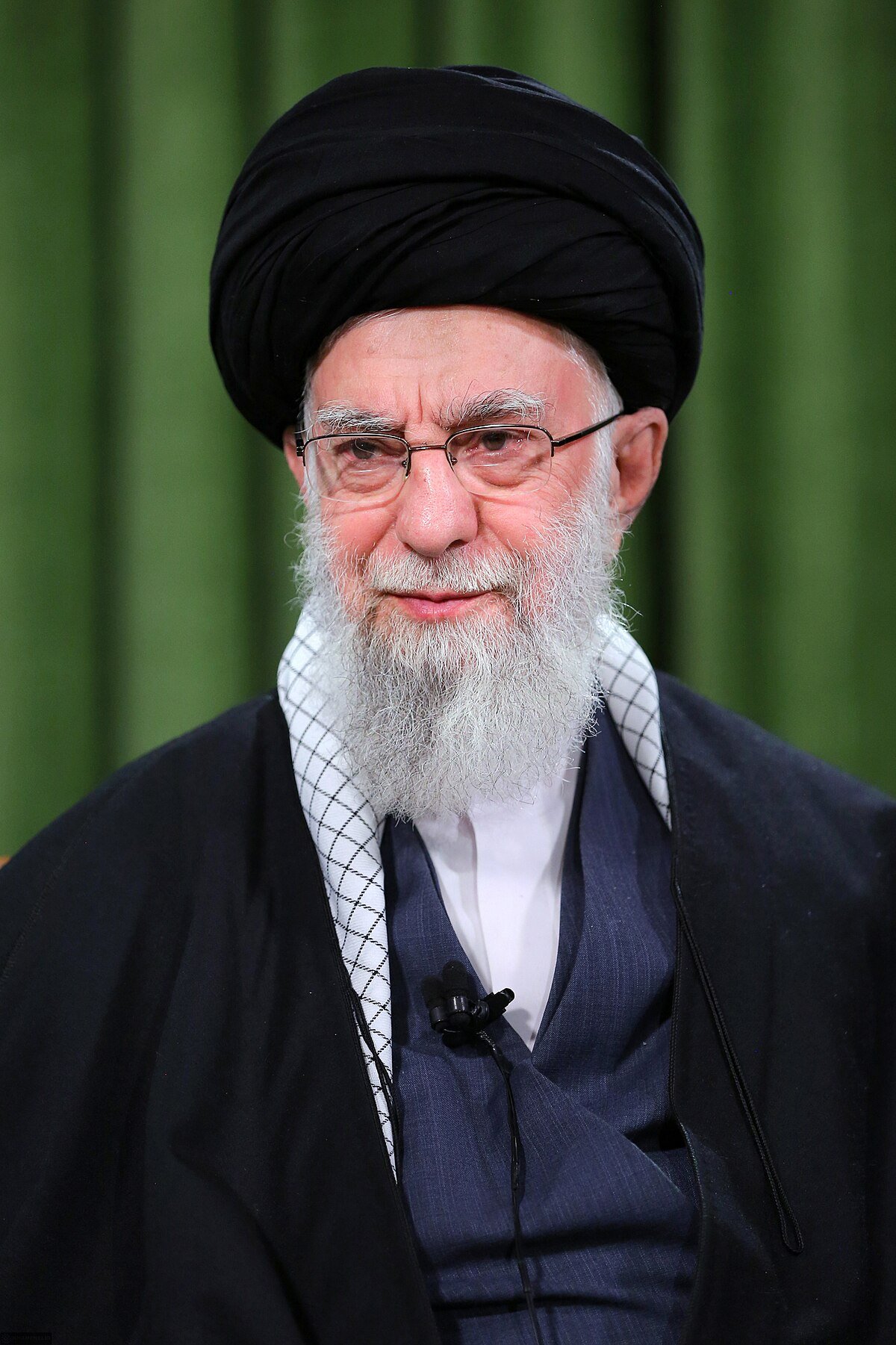
However, skepticism remains strong among Washington’s foreign policy establishment. Senator Lindsey Graham warned that any arrangement perceived as allowing Iran to maintain leverage over strategic maritime routes such as the Strait of Hormuz could reshape regional power dynamics and embolden Iran-aligned groups across the Middle East.
Israeli officials have also expressed deep concern over the emerging framework. Reports from Israeli media suggest that U.S. envoy Steve Witkoff is pushing aggressively for a diplomatic resolution and advising against renewed military escalation, a position that has intensified internal debate within Israel’s security establishment.
Security analysts, including Mark Dubowitz of the Foundation for Defense of Democracies, argue that a temporary cease-fire without enforceable guarantees could weaken U.S. leverage. He warned that Iran could benefit from sanctions relief while retaining strategic pressure points on global energy routes, potentially delaying rather than resolving conflict.
Meanwhile, Iranian political leaders continue to adopt a dual tone of negotiation and deterrence. Parliamentary Speaker Mohammad Bagher Ghalibaf stated that Iran has strengthened its military capabilities during the cease-fire period and warned that any renewed U.S. strike would trigger a significantly stronger response than previous confrontations.
As diplomatic efforts continue, the situation remains uncertain. While negotiations have temporarily slowed the momentum toward open conflict, deep mistrust, regional security concerns, and political pressures in Washington and Tehran suggest that the path ahead remains highly volatile.