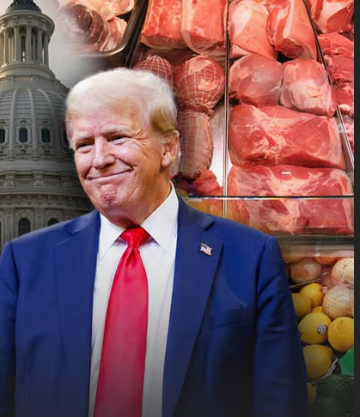




President Donald Trump is preparing to reverse two major Biden-era Environmental Protection Agency (EPA) regulations on refrigerants, in a policy shift the administration says will reduce grocery costs and deliver billions of dollars in business savings across the United States.
Eko Hot News reports that the planned changes focus on federal rules governing hydrofluorocarbons, chemicals widely used in refrigeration systems such as supermarket freezers, air conditioners, and refrigerated transport units. The administration argues that the regulations increased operational costs for businesses without delivering proportional environmental gains.
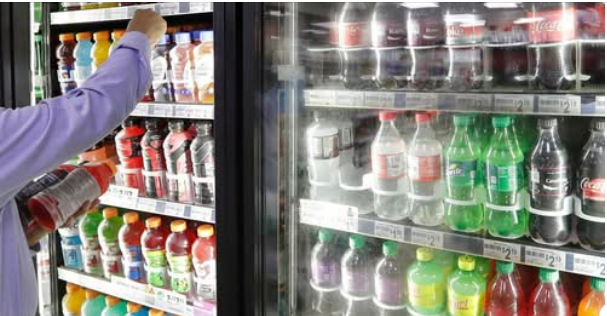
According to officials familiar with the plan, one of the key adjustments will extend compliance deadlines under the EPA’s 2023 Technology Transitions Rule. This extension will give grocery retailers and other industries more time to phase out hydrofluorocarbons used in cooling and storage systems.
Hydrofluorocarbons are potent greenhouse gases, although they have shorter atmospheric lifespans compared to carbon dioxide. Environmental regulators had previously pushed for faster phase-outs to reduce climate-related emissions from refrigeration and cooling infrastructure.
The White House estimates that the rollback could generate approximately $900 million in total savings. This includes around $800 million expected to be saved by grocery stores through increased access to approved refrigerants and reduced compliance pressure.
A second major policy adjustment will target the EPA’s 2024 Emissions Reduction and Reclamation program. The revised plan is expected to exempt refrigerated trucks and transport cooling systems from stricter hydrofluorocarbon leak requirements, easing regulations for logistics and food distribution companies.
Officials project that this additional exemption could save businesses roughly $1.5 billion, further reducing operational costs across the supply chain. The administration says the changes will improve efficiency in food transport and storage systems nationwide.
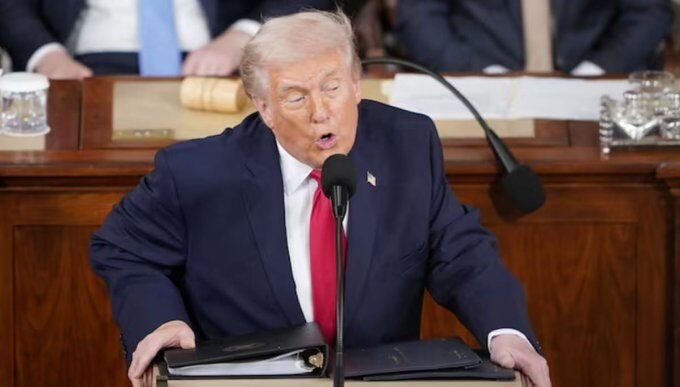
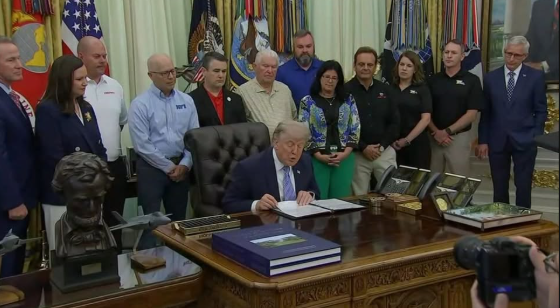
President Donald Trump is expected to formally announce the rollback during a Thursday Oval Office event. The meeting will reportedly include executives from major grocery chains such as Kroger, Piggly Wiggly, and Fareway Stores, alongside other industry stakeholders.
The administration maintains that the Biden-era regulations placed excessive financial burdens on businesses. EPA Administrator Lee Zeldin, a key figure in the policy shift, criticized the earlier rules, describing them as overly restrictive and costly for industries already facing inflationary pressures.
Zeldin stated that the previous regulations did not deliver meaningful environmental or health benefits and instead imposed compliance demands beyond what he described as statutory requirements. He added that the revised approach will allow companies greater flexibility in choosing refrigeration systems that suit their operational needs.
The refrigerant rollback forms part of a broader deregulation strategy under the Trump administration, which has targeted multiple environmental and climate-related policies introduced under previous administrations. The policy direction reflects a wider effort to reduce business costs and stimulate consumer price relief.
The announcement comes amid continued economic pressure on American households. Recent data shows that the Consumer Price Index rose by 3.8% in April, marking the strongest inflation increase in three years. Analysts link the surge partly to rising energy costs influenced by geopolitical tensions involving Iran.
Food prices have also continued to climb, with grocery costs increasing by 2.9% year-over-year and rising 0.7% between March and April alone. The administration argues that reducing regulatory costs in refrigeration and logistics could help ease pressure on retail pricing in the coming months.
Economic observers remain divided on the potential impact of the rollback. Supporters say it could lower operating expenses for businesses and eventually reduce consumer prices, while critics warn it may slow progress on emissions reduction goals tied to climate change commitments.
As the policy debate intensifies, the refrigerant rollback is expected to become a key talking point in broader discussions around inflation, energy policy, and environmental regulation ahead of the upcoming election cycle.