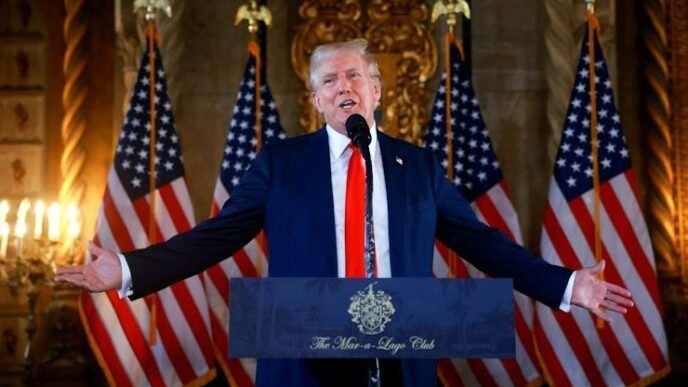




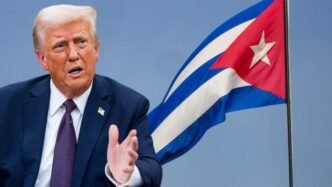
The administration of President Donald Trump has reportedly increased U.S. intelligence activities focused on Cuba as part of its broader policy toward the Caribbean nation, according to people familiar with the matter.
Eko Hot News reports that the reported increase in intelligence operations is aimed at supporting the administration’s strategy of encouraging political and economic reforms in Cuba while increasing pressure on the country’s communist government.
According to sources familiar with the plans, the administration has expanded intelligence-gathering efforts in recent months as it reassesses its approach to U.S.-Cuba relations.
The report indicates that Washington is seeking greater insight into developments within Cuba’s political, economic, and security institutions as policymakers evaluate future diplomatic and strategic decisions.
Officials have not publicly confirmed specific operational details, as intelligence activities are generally not discussed due to national security considerations.
The latest report comes as the Trump administration continues to pursue a tougher policy toward Cuba compared with previous U.S. administrations.
Senior U.S. officials have repeatedly argued that greater political and economic reforms are necessary to improve governance, expand individual freedoms, and encourage broader economic opportunities in Cuba.
According to the report, the administration believes increased intelligence collection will provide policymakers with more accurate information to guide future decisions regarding the island.
Cuban authorities have not publicly responded to the latest claims regarding the reported expansion of U.S. intelligence activities.
Relations between Washington and Havana have experienced periods of cooperation and disagreement over several decades, with policy changes often reflecting the priorities of successive U.S. administrations.
The two countries have differed on issues including economic sanctions, migration, human rights, trade, and diplomatic engagement.
Foreign policy analysts note that intelligence gathering is a routine function of governments around the world and often plays a role in shaping national security and foreign policy decisions.
Experts also point out that reports concerning intelligence activities are frequently based on anonymous sources because of the confidential nature of such operations.
The Trump administration has consistently stated that its Cuba policy is intended to encourage democratic reforms, strengthen accountability, and support the Cuban people through targeted diplomatic and economic measures.
Supporters of the administration’s approach argue that sustained pressure could encourage meaningful reforms and greater openness within the country.
Others believe continued diplomatic engagement and dialogue may offer additional opportunities to improve bilateral relations while addressing longstanding areas of disagreement.
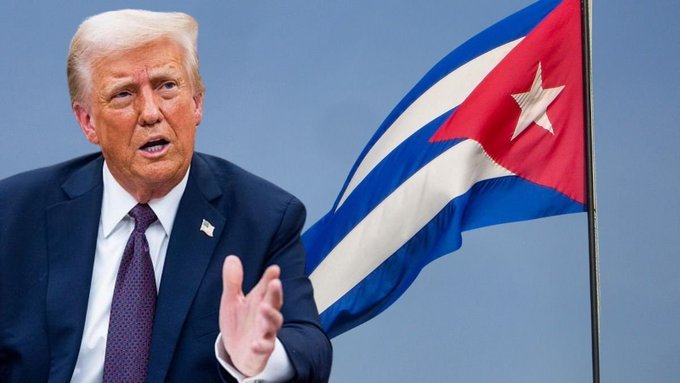
International observers continue to monitor developments in U.S.-Cuba relations because of their potential impact on regional diplomacy, migration, trade, and economic cooperation across the Americas.
Regional governments are also watching closely as changes in U.S. policy toward Cuba can influence broader diplomatic dynamics throughout Latin America and the Caribbean.
Political analysts say future developments will depend on decisions made by both governments as well as evolving regional and international priorities.
The report has renewed discussion among foreign policy experts about the future direction of U.S.-Cuba relations and the role of diplomacy in addressing longstanding differences.
Observers expect Washington to continue reviewing its Cuba strategy as policymakers assess developments on the island and evaluate the effectiveness of existing measures.
Despite policy differences, analysts say communication through diplomatic channels remains important for addressing shared issues such as migration, regional stability, disaster response, and economic cooperation where possible.
As attention remains focused on developments between the two countries, international observers will continue monitoring official statements and policy decisions that could shape the next phase of U.S.-Cuba relations.