




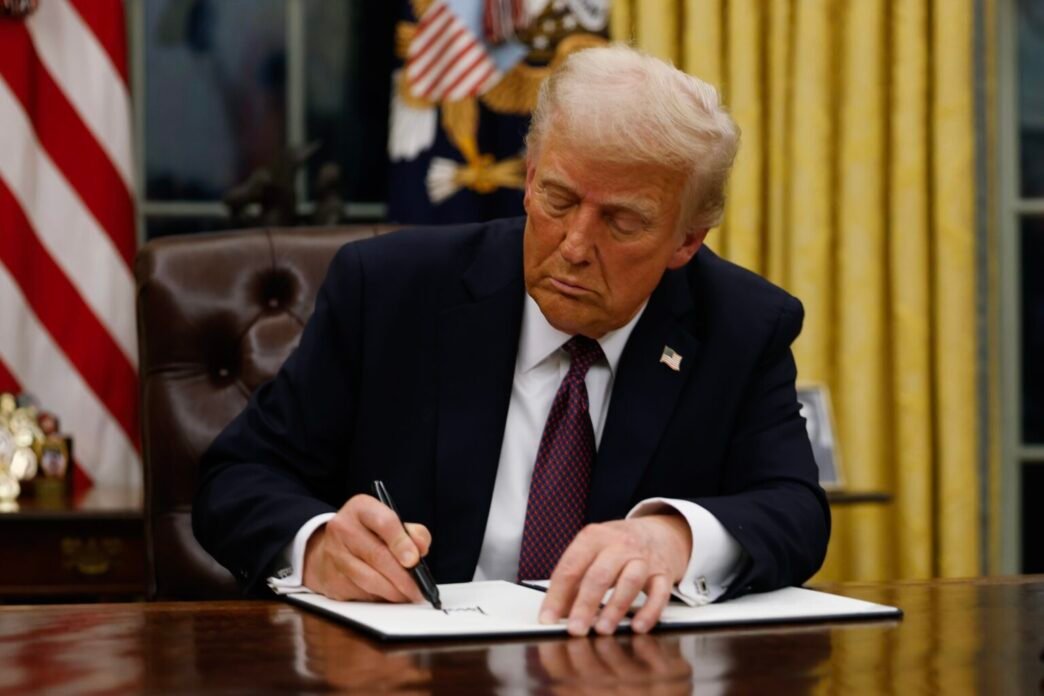
The administration of President Donald Trump has revoked the U.S. visa of Brazil’s ambassador to the United States, Maria Luiza Ribeiro Viotti, in a move that signals rising diplomatic tensions between Washington and Brasília.
Eko Hot News reports that the decision marks a new development in relations between the United States and Brazil, drawing attention from diplomats and international affairs observers.
According to reports, the U.S. State Department confirmed the visa cancellation but clarified that the action does not amount to declaring Ambassador Maria Luiza Ribeiro Viotti persona non grata.
A senior State Department official explained that revoking a visa is different from formally expelling a diplomat or requiring the individual to leave the United States.
The clarification indicates that the ambassador retains her diplomatic status, although the visa action represents an unusual step in diplomatic relations between the two countries.
Diplomatic experts note that visa revocations involving serving ambassadors are relatively uncommon and often attract international attention because of their potential impact on bilateral relations.
The reasons behind the visa cancellation have not been fully disclosed by U.S. officials. As a result, questions remain about the factors that led to the decision.
Officials from both governments are expected to continue diplomatic engagement as efforts are made to manage the situation through established international channels.
The United States and Brazil have long maintained strong political, economic, and commercial ties despite occasional policy differences on regional and international issues.
Both countries cooperate in areas including trade, investment, agriculture, energy, environmental initiatives, education, and security.
Analysts say diplomatic disagreements can arise even between longstanding partners, but such issues are typically addressed through dialogue and official diplomatic communication.
The Vienna Convention on Diplomatic Relations provides the framework that governs diplomatic engagement, privileges, and responsibilities between countries.
Under international diplomatic practice, declaring an envoy persona non grata is a formal step requiring the receiving country to reject the diplomat’s continued presence.
In this case, however, U.S. officials have emphasised that no such declaration has been made regarding Ambassador Viotti.
Foreign policy observers believe the distinction is significant because it suggests diplomatic relations between both countries remain active despite the current disagreement.
The latest development has generated interest among international policy experts who continue to monitor relations between Washington and Brasília.
Economic analysts are also watching closely because stable diplomatic ties often support trade, investment, and broader economic cooperation between major economies.
Brazil remains one of the United States’ most important partners in Latin America, with both nations maintaining extensive commercial and strategic engagements.
Observers say future discussions between senior officials could help clarify the circumstances surrounding the visa decision and determine the next steps in bilateral relations.

Neither government has announced additional diplomatic measures following the visa cancellation.
International relations experts note that diplomacy often involves periods of disagreement, followed by continued engagement aimed at preserving long-term cooperation.
As both countries continue official communications, policymakers and global observers will closely watch for any developments that may influence diplomatic, economic, or strategic relations between the United States and Brazil.
The situation also highlights the importance of diplomatic dialogue in managing international partnerships and resolving differences through established legal and diplomatic processes.
For now, the visa revocation represents a notable development in U.S.-Brazil relations, while officials from both countries continue to engage through diplomatic channels.