



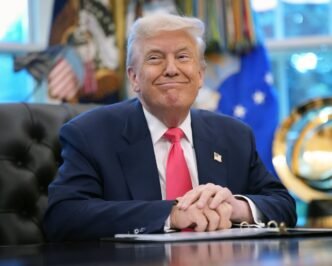
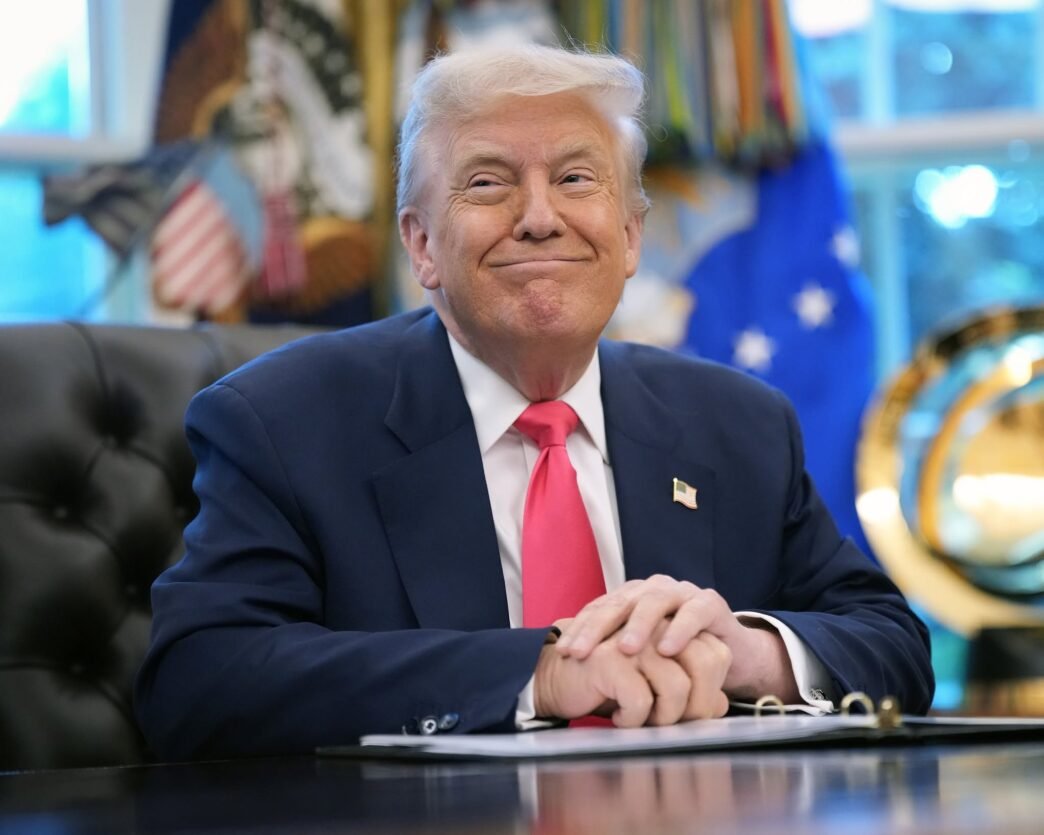
President Donald Trump has praised India’s voter identification system while renewing his call for stricter voter identification requirements in the United States.
Eko Hot News reports that Trump cited India’s electoral system after referring to a recent conversation with India’s Chief Election Commissioner, Gyanesh Kumar, who questioned how elections could be conducted in the United States without mandatory valid photo identification.
Trump used the comparison to reinforce his support for stronger election identification rules in America.
The US president has been advocating for changes that would require voters to provide specific forms of identification before casting ballots.
He also renewed his call for Congress to pass the SAVE America Act.
The proposed legislation has been presented by Trump and his allies as a measure aimed at strengthening election integrity.
Trump’s comments place India’s voter identification requirements at the centre of his argument for changes to the American electoral system.
India operates one of the world’s largest electoral systems, with voters required to establish their identity through approved election documents.
The country uses voter identification measures as part of its broader electoral administration.
Trump has frequently argued that the United States should adopt stronger identification requirements for elections.
He has described voter identification as an important safeguard for maintaining confidence in the electoral process.
During his remarks, Trump referred to his conversation with Kumar.
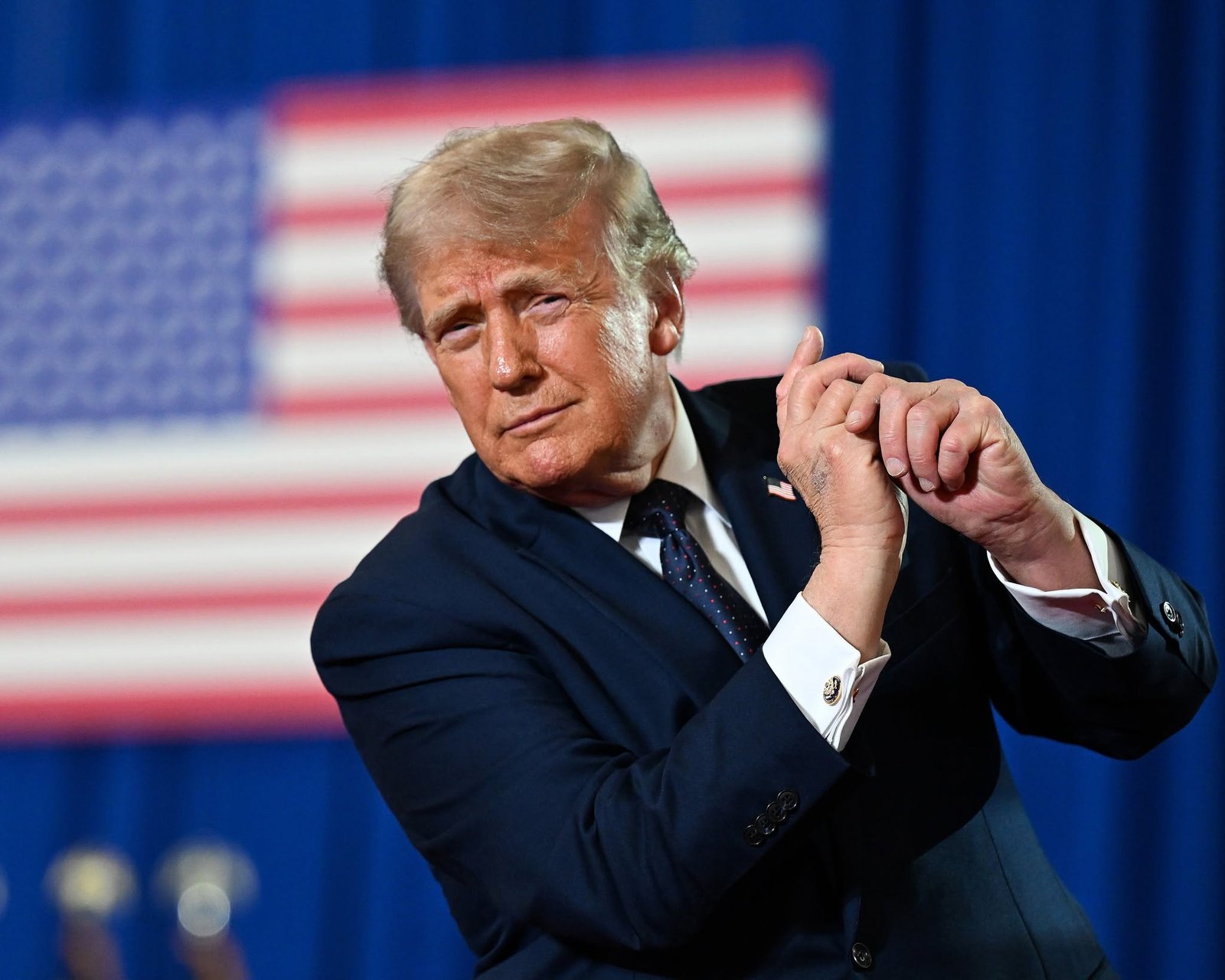
According to Trump, the Indian election official questioned the absence of a mandatory valid photo identification requirement for voting across the United States.
Trump said the comparison demonstrated what he considers a significant difference between the two electoral systems.
The president has therefore continued to encourage lawmakers to introduce uniform federal standards for voter identification.
His position has become part of a wider debate over election administration in the United States.
Supporters of stricter identification requirements argue that stronger verification measures can improve public confidence in elections.
They also maintain that voters should be required to establish their identity before receiving a ballot.
Opponents of stricter voter ID rules, however, have argued that additional requirements could create difficulties for some eligible voters.
They have called for election safeguards that protect both electoral integrity and access to voting.
The debate has remained a major issue in American politics.
Trump’s reference to India adds an international dimension to the discussion.
India’s election system is administered by the Election Commission of India, an independent constitutional authority responsible for conducting national and state elections.
The country’s electoral process involves hundreds of millions of voters and extensive administrative arrangements.
Voter identification is one component of the system used to verify eligible voters.
Trump has pointed to India’s approach as an example that the United States could consider.
His comments also come as Republicans in Congress continue to discuss federal election legislation.
The SAVE America Act has been promoted as legislation that would establish additional requirements for voter registration and identification.
Trump has repeatedly urged lawmakers to support the measure.
The legislation has generated debate over the balance between election security and voter access.
Democrats and voting rights advocates have generally opposed proposals they believe could create unnecessary barriers for eligible voters.
Republican lawmakers supporting the proposal argue that stronger identification standards are necessary to strengthen election administration.
Trump’s latest comments indicate that the issue remains a priority for his administration.
The president has also linked election reforms to his broader agenda on federal election standards.
At present, voter identification rules vary considerably across US states.
Some states require voters to present photo identification, while others allow alternative forms of verification.
The differences have contributed to long-running political discussions about whether federal standards should be introduced.
Trump’s comparison with India reflects his preference for a more uniform approach.
He has argued that American elections should have clear and consistent identification requirements.
The president’s supporters say such measures would make the electoral process easier for voters to understand.
Critics counter that election administration is traditionally handled largely by states and that federal requirements could create new challenges.
The debate is expected to continue as Congress considers election-related proposals.
Trump’s remarks about India could also draw greater attention to the country’s electoral system.
India’s experience demonstrates the scale and complexity of administering elections across a large and diverse population.
The Election Commission has developed extensive procedures for registering voters and verifying their identities.
Trump’s reference to that system reflects his interest in using international examples to support his domestic election agenda.
The president’s renewed call for the SAVE America Act is likely to keep voter identification at the centre of congressional discussions.
Lawmakers will ultimately determine whether the proposed measures receive sufficient support to advance.
The issue is expected to remain politically significant ahead of future US elections.
For Trump, voter identification remains an important part of his argument for strengthening election rules.
His latest comments show that he sees India’s system as a useful example for the United States.
The comparison is likely to fuel further discussion about how American elections should be administered.
As Congress considers the proposed legislation, attention will remain focused on the balance between election security, voter identification and access to the ballot.