



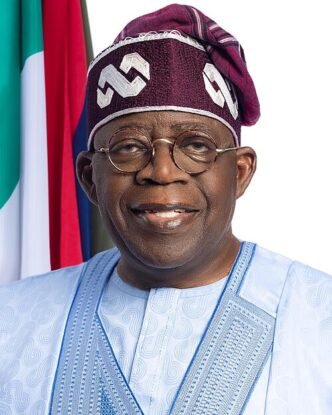

President Bola Ahmed Tinubu has approved the expansion of the Fourth Legacy Highway by an additional 400 kilometres, increasing the project’s total length from 700 kilometres to 1,100 kilometres in a move aimed at strengthening national connectivity and economic growth.
Eko Hot News reports that the approval marks a significant milestone in the Federal Government’s infrastructure agenda, with the expanded highway expected to improve transportation, support commerce and enhance regional integration across Nigeria.
The additional 400-kilometre stretch is designed to extend the reach of the Fourth Legacy Highway, creating stronger road links between communities and expanding access to key economic corridors.
According to the Federal Government, the expansion reflects President Tinubu’s commitment to delivering modern infrastructure capable of supporting long-term national development.
Officials said the project forms part of the administration’s broader strategy to improve road transportation, reduce travel time and promote balanced economic growth across the country.
The Fourth Legacy Highway is expected to serve as a strategic transport corridor connecting major commercial centres, agricultural communities and industrial zones.
By increasing the highway’s length to 1,100 kilometres, the government aims to improve the movement of people, goods and services while strengthening connections between different parts of Nigeria.
Infrastructure experts have noted that well-developed road networks play a critical role in promoting economic productivity by lowering transportation costs and improving market access.
The expanded highway is also expected to improve logistics for businesses, making it easier to transport agricultural produce, manufactured goods and essential commodities across regions.
Government officials believe the project will stimulate investment opportunities by improving access to emerging economic areas and encouraging private sector participation.
The approval underscores the administration’s focus on infrastructure as a foundation for sustainable economic development and national competitiveness.
President Tinubu has repeatedly identified transportation infrastructure as a priority under his development agenda, emphasizing its role in supporting industrialisation and inclusive economic growth.
Road construction projects continue to receive significant attention as the government seeks to modernise Nigeria’s transport network and improve connectivity nationwide.
Analysts say expanding strategic highways can encourage regional development by improving access to education, healthcare, trade and tourism opportunities.
The Fourth Legacy Highway is expected to complement existing federal road projects aimed at strengthening mobility and enhancing national integration.
Stakeholders in the transport sector have welcomed the expansion, describing it as a positive step toward improving the country’s infrastructure capacity.
They also noted that improved highways contribute to greater efficiency in supply chains, support business growth and facilitate easier movement between states.
The Federal Government has continued to emphasise partnerships with contractors, investors and development institutions to accelerate the delivery of major infrastructure projects.
Observers believe the expanded highway will contribute to broader economic activities by opening new opportunities for commerce, investment and community development along its corridor.
As implementation progresses, the Fourth Legacy Highway is expected to become one of Nigeria’s most significant transport projects, reinforcing the country’s infrastructure network while supporting regional integration and economic transformation.
The expansion to 1,100 kilometres reflects the Federal Government’s commitment to building modern infrastructure that promotes connectivity, improves mobility and creates lasting opportunities for citizens and businesses across Nigeria.