



North Korea has launched a barrage of short-range ballistic missiles toward waters off its eastern coast, shortly after US President Donald Trump announced plans to meet North Korean leader Kim Jong Un later this year.
Eko Hot News reports that South Korea’s military detected the launches on Thursday, August 20, with the missiles fired from the Pyongyang area toward the East Sea, also known as the Sea of Japan.
The launches came only hours after Trump said he intended to meet Kim again, raising questions about the prospects for renewed diplomatic engagement between Washington and Pyongyang.
South Korean authorities said around 10 short-range ballistic missiles were detected during the latest activity. The projectiles travelled approximately 300 kilometres before reaching waters in the region.
The development adds a new complication to Trump’s effort to revive direct engagement with the North Korean leader.
Trump has repeatedly highlighted his personal relationship with Kim, recalling the meetings they held during his first term. The two leaders met in Singapore in 2018 and in Vietnam in 2019, while Trump also briefly crossed into North Korean territory during a meeting at the inter-Korean border.
The earlier diplomatic process eventually stalled over disagreements concerning North Korea’s nuclear programme and international sanctions.
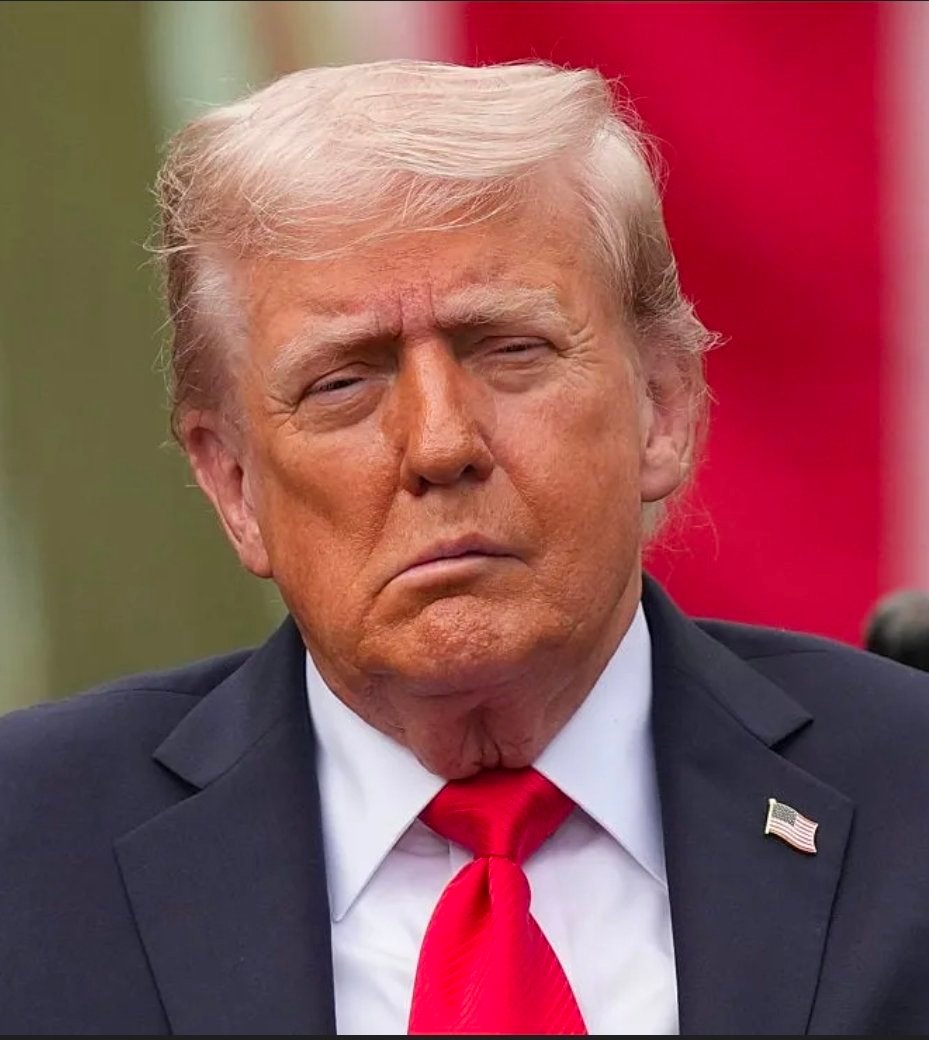
Trump has now indicated that he wants to reopen direct discussions with Kim, potentially later this year. Reports have suggested that a meeting could take place around the Asia-Pacific Economic Cooperation summit in China.
However, North Korea has not clearly endorsed the proposed meeting. Kim’s sister, Kim Yo Jong, recently said she was unaware of recent official communication between Washington and Pyongyang.
She nevertheless acknowledged that Kim Jong Un and Trump have maintained a positive personal relationship, leaving some room for possible future engagement.
The latest missile launches also occurred while the United States and South Korea were conducting their annual Ulchi Freedom Shield exercises.
The exercises have been scaled back following Trump’s decision to reduce the programme. The President has described the joint exercises as unnecessary and has argued that reducing them could help improve relations with Pyongyang.
North Korea has consistently criticised US-South Korean military exercises, viewing them as a security concern.
Despite Washington’s decision to reduce the exercises, Kim Yo Jong dismissed the move as insufficient and maintained that the exercises remained provocative from Pyongyang’s perspective.
The missile launches therefore appear to underline the continuing gap between Washington’s diplomatic overtures and Pyongyang’s security position.
South Korea responded by convening an emergency security meeting following the launches. Officials said they were closely monitoring developments and coordinating with their international partners.
Japan also monitored the activity, reflecting the wider regional concern surrounding North Korea’s ballistic missile programme.
The United Nations has repeatedly imposed restrictions on North Korea’s ballistic missile activities, making the latest launches another point of concern for regional governments.
For the Trump administration, the development presents a delicate diplomatic challenge. The President is seeking direct engagement with Kim while North Korea continues to demonstrate its military capabilities.
Analysts say the contrasting developments show that a potential Trump-Kim meeting would not automatically resolve the long-standing disagreements between the two sides.
Any renewed dialogue would likely involve difficult discussions about North Korea’s nuclear capabilities, sanctions, regional security and the future of US-South Korean relations.
Trump, however, continues to express confidence in his ability to communicate with Kim, pointing to their previous meetings as evidence that direct engagement can produce opportunities for dialogue.
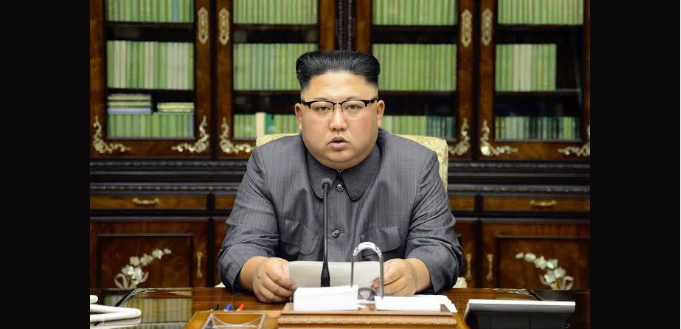
The latest launches could increase pressure on Washington and Seoul to carefully balance diplomatic outreach with regional security considerations.
South Korea has maintained that it will continue coordinating with the United States while monitoring North Korea’s activities.
The situation also highlights the changing security environment on the Korean Peninsula, where diplomatic signals and military developments continue to occur simultaneously.
For now, attention remains focused on whether Trump’s proposed meeting with Kim Jong Un will materialise and whether both sides can use renewed dialogue to address their longstanding differences.