





A senior Republican lawmaker has said Democrats are facing political embarrassment following the successful U.S. operation that led to the capture of Venezuelan leader Nicolás Maduro under the administration of former President Donald Trump.
Eko Hot News reports that the Chairman of the House Foreign Affairs Committee, Rep. Brian Mast, defended the operation, stating that critics who questioned the strategy and legality of the move now have “egg on their face.” He described the action as a decisive and carefully executed mission.
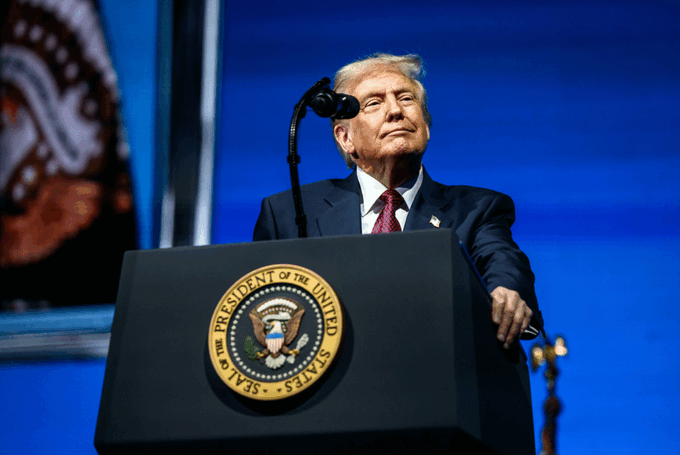
Mast explained that the Trump administration focused on clear objectives rather than prolonged military engagements, stressing that the operation against Maduro was targeted, strategic, and designed to avoid unnecessary escalation.
According to the lawmaker, the action aligns with Trump’s foreign policy approach, which prioritised swift results over extended conflicts. He added that the administration carefully weighed risks before approving the operation in Venezuela.
Other Republican leaders also defended the move. They argued that the U.S. executive arm has the authority to carry out such actions, especially when dealing with individuals facing serious allegations under international or U.S. law.
Some lawmakers cited past precedents, noting that similar actions were taken under previous administrations without prior congressional approval. They insisted the Maduro operation followed established national security practices.
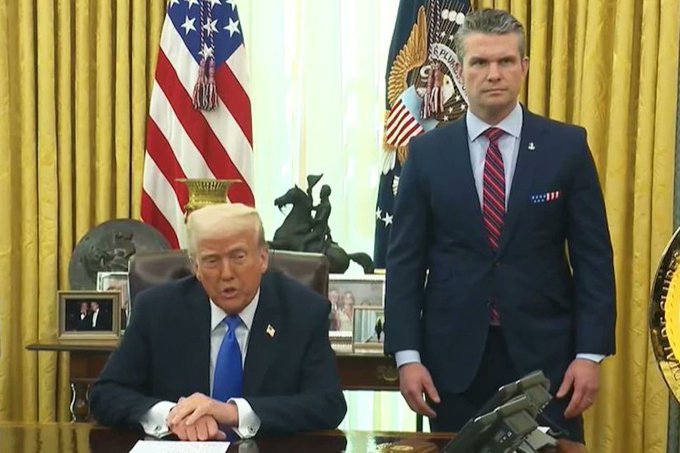
However, Democrats have strongly criticised the development, describing it as an unconstitutional use of power. They warned that such actions could heighten tensions and create diplomatic complications.
Critics further argued that the operation risks setting a dangerous precedent in international relations and called for a thorough review by both legal and congressional authorities.
Despite the backlash, Republicans maintain that the Trump-Maduro capture demonstrates decisive leadership and reinforces America’s stance against authoritarian regimes in the region.
The development has continued to fuel debate in Washington, with sharp divisions emerging over executive authority, foreign intervention, and accountability.