





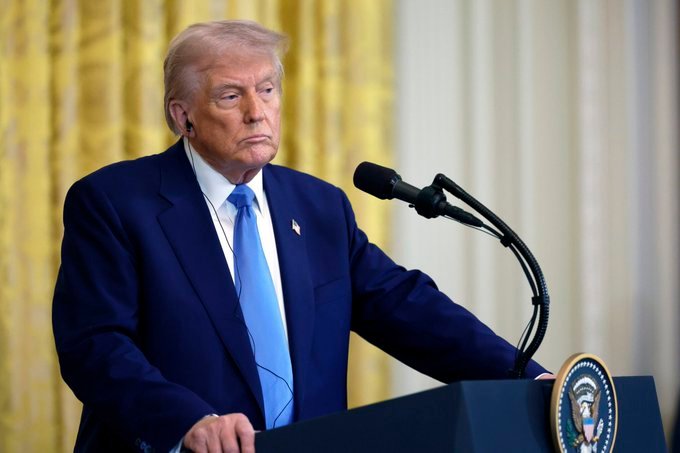
The United States political landscape has witnessed fresh tension following President Donald Trump’s decision to veto a major foreign aid package approved by Congress, a move that has sparked strong reactions across party lines.
Eko Hot News reports that the vetoed legislation contained billions of dollars in military assistance for Ukraine and Israel, alongside funding for other national security priorities. The bill had earlier passed both chambers of Congress with bipartisan support, reflecting lawmakers’ concern over rising global security challenges.
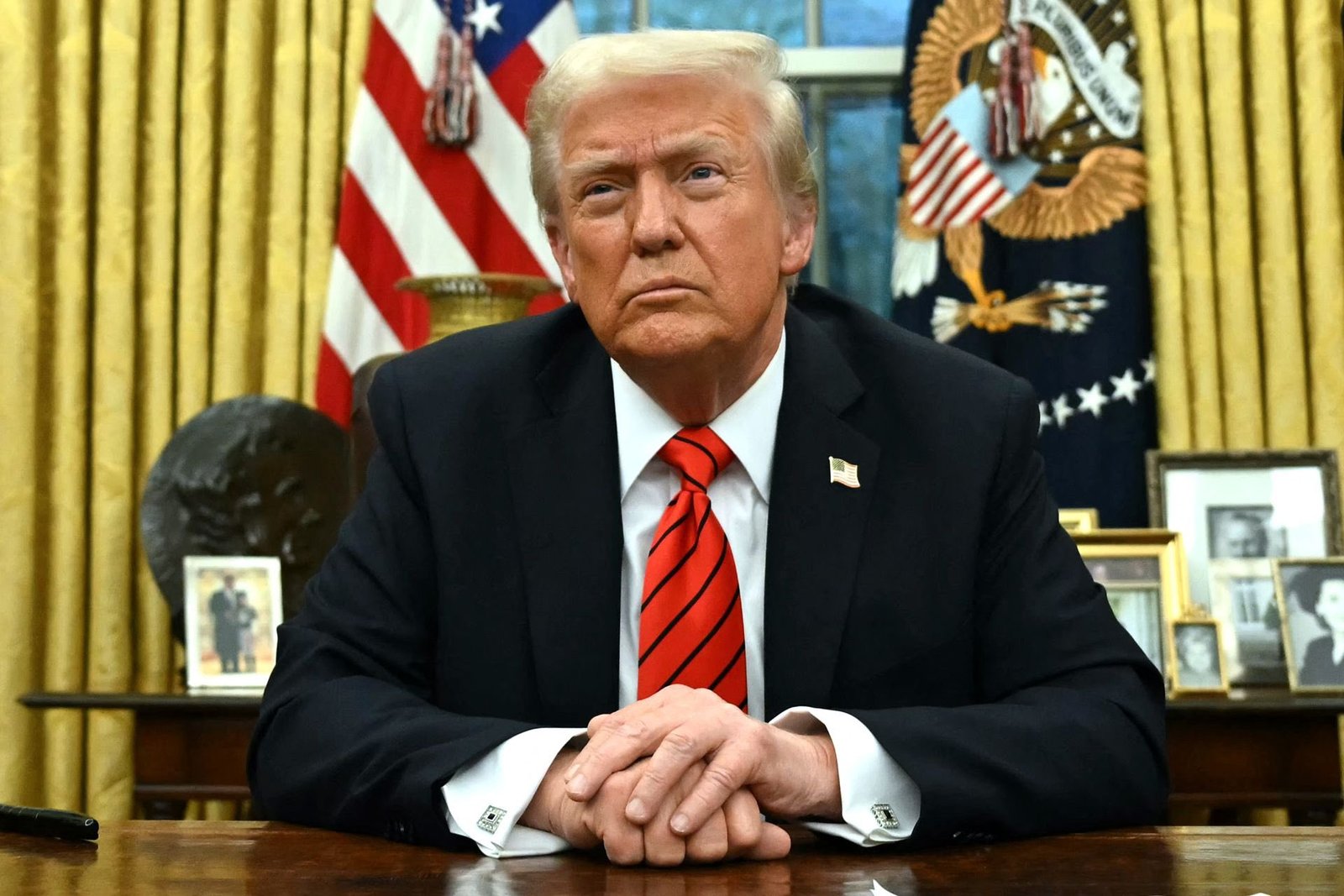
President Trump, in a statement, said the aid package failed to address what he described as critical domestic priorities. He argued that the bill included spending items he considered unnecessary and lacked reforms tied to border security and stricter accountability in the distribution of foreign assistance.
According to the White House, the President intends to pursue an alternative proposal that would align foreign aid with stronger immigration controls and fiscal safeguards. Trump maintained that the United States must prioritise internal stability while supporting allies abroad under clearer conditions.
Congressional leaders reacted sharply to the veto. Senior lawmakers warned that blocking the funding could weaken U.S. influence globally and undermine commitments to strategic partners facing security threats. Some leaders have indicated that discussions are ongoing regarding a possible override vote, although the outcome remains uncertain.
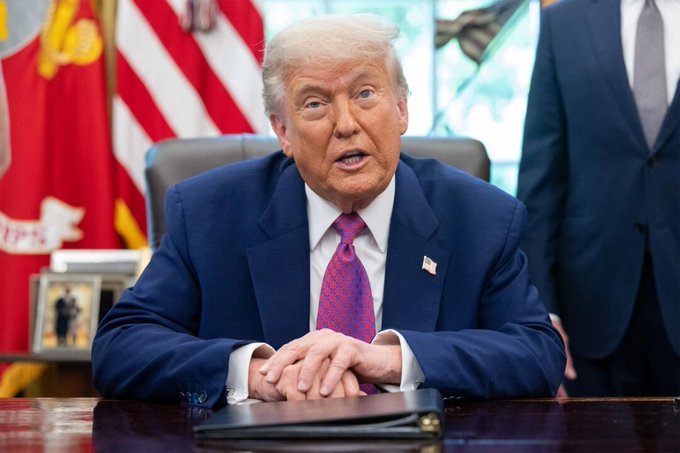
Democratic lawmakers criticised the decision, describing it as a setback for international cooperation and global stability. They warned that adversaries could interpret the veto as a sign of reduced American resolve in foreign affairs.
Meanwhile, foreign policy analysts say the move highlights ongoing divisions in Washington over the balance between domestic priorities and international obligations. Observers note that the veto could reshape future debates on U.S. foreign aid policy.
As the situation unfolds, attention is turning to whether Congress can gather enough support to challenge the veto or negotiate a revised package acceptable to the White House.