



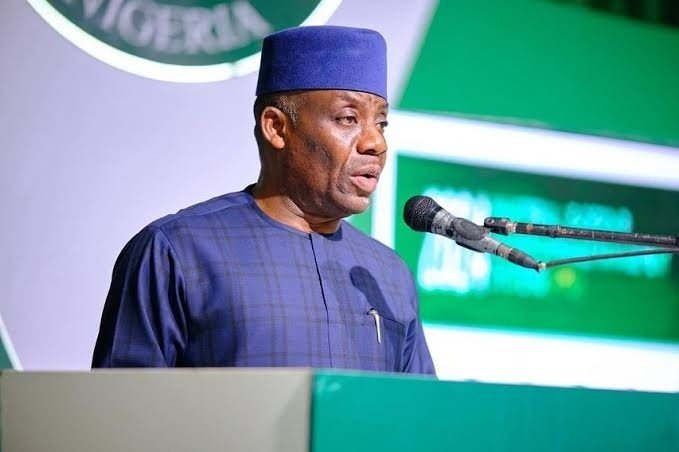
The Federal Government has suspended the proposed review of registration fees for the 2027 West African Senior School Certificate Examination (WASSCE) and the National Examinations Council (NECO) Senior School Certificate Examination (SSCE).
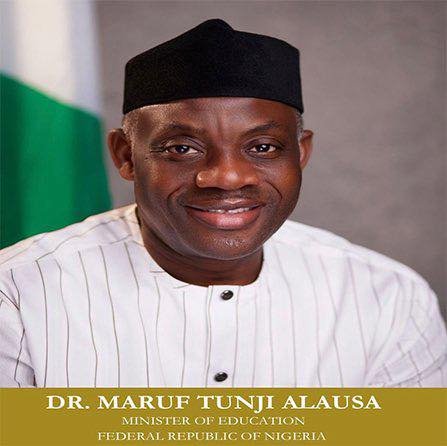
Eko Hot News reports that the Federal Ministry of Education announced the decision to allow for broader consultations with key stakeholders before any adjustment to examination registration fees is approved.
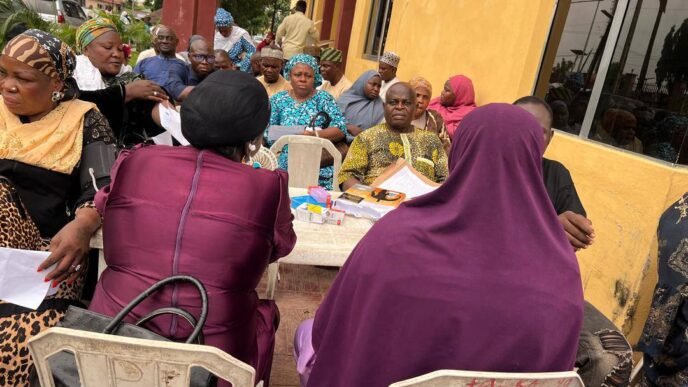
According to the ministry, the proposed review has been placed on hold pending a comprehensive engagement process involving examination bodies, state ministries of education, school owners, parents’ associations, organised labour and other relevant stakeholders.
The ministry explained that the consultation is intended to ensure that every affected group has the opportunity to contribute to the decision-making process before a final position is reached.
Officials noted that the proposal to review the fees was driven by the increasing operational costs associated with organising and administering credible national examinations across the country.
Despite those financial pressures, the Federal Government said no increase in registration fees will take effect until consultations have been concluded and all concerns have been carefully considered.
The Ministry of Education reaffirmed its commitment to promoting fairness, transparency and accountability throughout the review process.
It also stressed that any future decision would be guided by the need to balance the sustainability of examination bodies with the financial realities facing Nigerian families.
The government said expanding access to quality education remains a top priority, adding that examination policies must continue to support students regardless of their socio-economic background.
Education stakeholders have welcomed the suspension, describing it as an opportunity for broader dialogue on the future funding of national examinations.
Many parents have expressed hope that the consultation process will produce outcomes that protect students from additional financial burdens while maintaining high examination standards.
School proprietors are also expected to participate in the discussions, providing practical insights into the cost implications of examination administration and educational service delivery.
Examination bodies, including the West African Examinations Council (WAEC) and the National Examinations Council (NECO), are expected to contribute technical perspectives on the financial requirements needed to conduct secure and credible examinations.
Education experts have consistently noted that inflation, logistics, technology upgrades and administrative costs continue to influence the overall cost of organising nationwide examinations.
However, many stakeholders believe that affordability must remain a central consideration to ensure that every eligible student has equal access to examination opportunities.
The Federal Ministry of Education said the consultation process reflects the government’s commitment to inclusive policymaking and evidence-based decision-making.
Officials added that engaging stakeholders will help produce a balanced outcome that addresses operational challenges without creating unnecessary pressure on students and their families.
The ministry further assured Nigerians that transparency will remain at the centre of the process, with decisions to be communicated clearly after consultations are completed.
Observers say the suspension demonstrates the government’s willingness to listen to public concerns while seeking practical solutions that strengthen the education sector.
The outcome of the consultations is expected to shape future policies on examination financing and contribute to efforts aimed at improving the quality and accessibility of secondary education in Nigeria.
For now, candidates preparing for the 2027 WASSCE and NECO SSCE can expect existing registration arrangements to remain in place until the Federal Government concludes its stakeholder engagement and announces a final decision.
The Ministry of Education reiterated that its goal is to build an examination system that is sustainable, transparent and accessible, while protecting the interests of students, parents and schools across the country.