





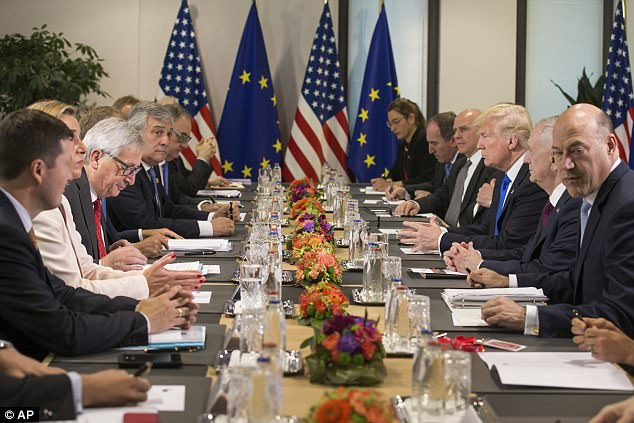
The European Union is weighing the use of its powerful trade defence tool amid renewed tariff threats from the United States, raising concerns over a potential transatlantic trade conflict with global economic implications.
Eko Hot News reports that tensions escalated after the United States signalled plans to impose fresh tariffs on European goods, a move that has prompted strong reactions from EU leaders, including calls to activate the bloc’s anti-coercion mechanism, often described as Europe’s economic “bazooka.”
The anti-coercion instrument, adopted by the European Union in 2023, allows the bloc to respond decisively when a foreign country uses economic pressure to influence its policies. It empowers the EU to impose countermeasures such as tariffs, restrictions on services, and limits on market access.
European leaders have warned that the mechanism could be deployed if the United States proceeds with proposed trade penalties. Analysts note that the tool is particularly significant because it allows the EU to target sensitive sectors where the U.S. has strong interests, including technology, financial services, and pharmaceuticals.
Data from recent trade flows show that the United States exports hundreds of billions of dollars’ worth of services to Europe annually, making the EU one of America’s most critical economic partners. Any disruption to this relationship could have far-reaching consequences for businesses and consumers on both sides of the Atlantic.
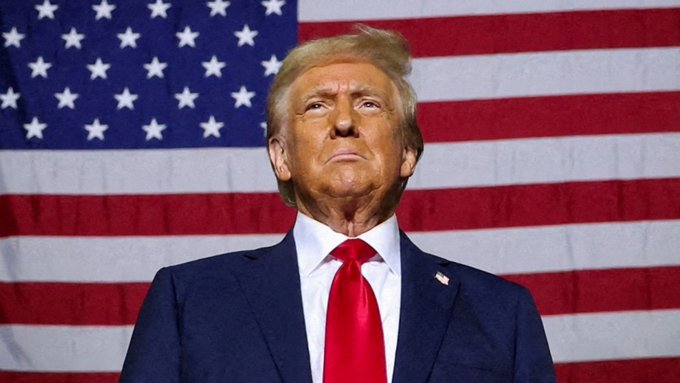
Economic experts caution that an escalation into a full trade war could increase costs, disrupt supply chains, and weaken global economic confidence at a time when many economies are still navigating post-pandemic recovery and geopolitical uncertainty.
While the EU’s anti-coercion mechanism requires a structured review and approval process before activation, its very existence is already reshaping negotiations by strengthening Europe’s bargaining position in international trade disputes.
Observers say the unfolding situation highlights a shifting balance in global trade power, with the European Union increasingly willing to assert itself against economic pressure from major partners.
As discussions continue, policymakers and markets alike are watching closely to see whether diplomacy prevails or whether the standoff develops into a broader trade confrontation with global ripple effects.


