




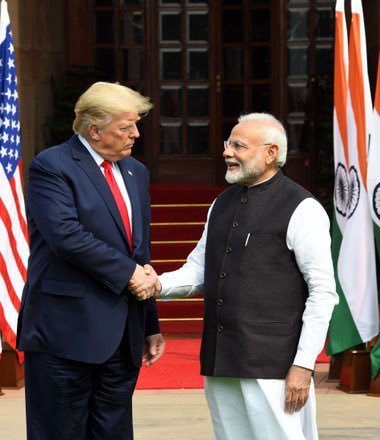
The United States has announced plans to reduce import tariffs on Indian goods following an agreement between President Donald Trump and Indian Prime Minister Narendra Modi over India’s oil purchases from Russia, a move expected to reshape trade and energy relations between both countries.
Eko Hot News reports that President Donald Trump disclosed the decision while addressing ongoing trade negotiations with India, stating that tariffs on Indian imports would be lowered after New Delhi agreed to significantly cut, and eventually stop, buying Russian oil. The development comes amid Washington’s broader strategy to pressure countries to limit economic ties with Moscow over the Ukraine conflict.
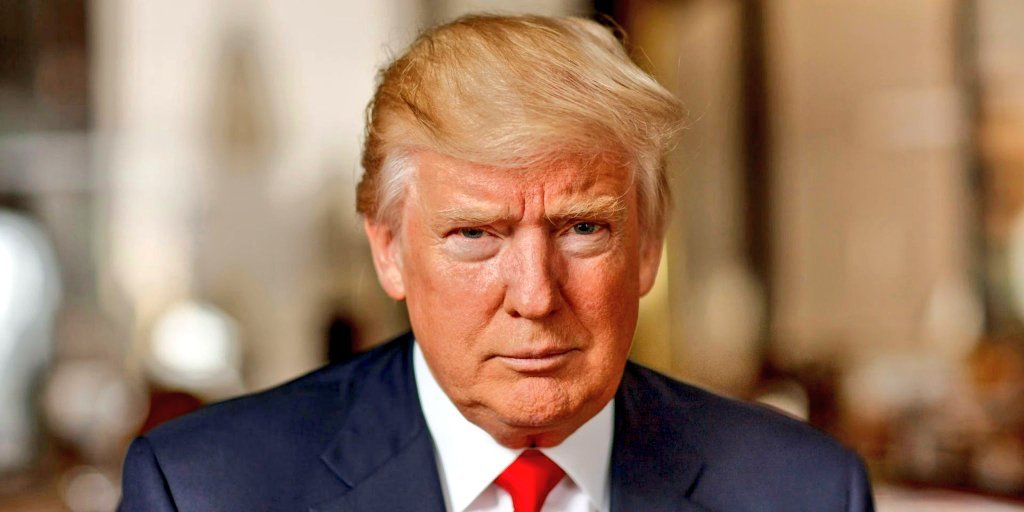
Trump explained that the tariff reduction is part of a wider effort to rebalance U.S.–India trade relations and promote American exports. He added that India has also committed to increasing its purchases of U.S. goods, including energy products, agricultural commodities, and technology, in a deal valued at hundreds of billions of dollars.
The U.S. president described the agreement as a step toward restoring fairness in global trade and reducing reliance on Russian energy, which he said continues to fuel the war in Ukraine. According to him, trade incentives remain one of Washington’s strongest tools for influencing international policy decisions.
Indian officials, while welcoming improved trade ties with the United States, have been cautious in public statements, focusing more on economic cooperation than explicitly confirming a full halt of Russian oil imports. Analysts note that Russia has been a major supplier of discounted crude to India since 2022.
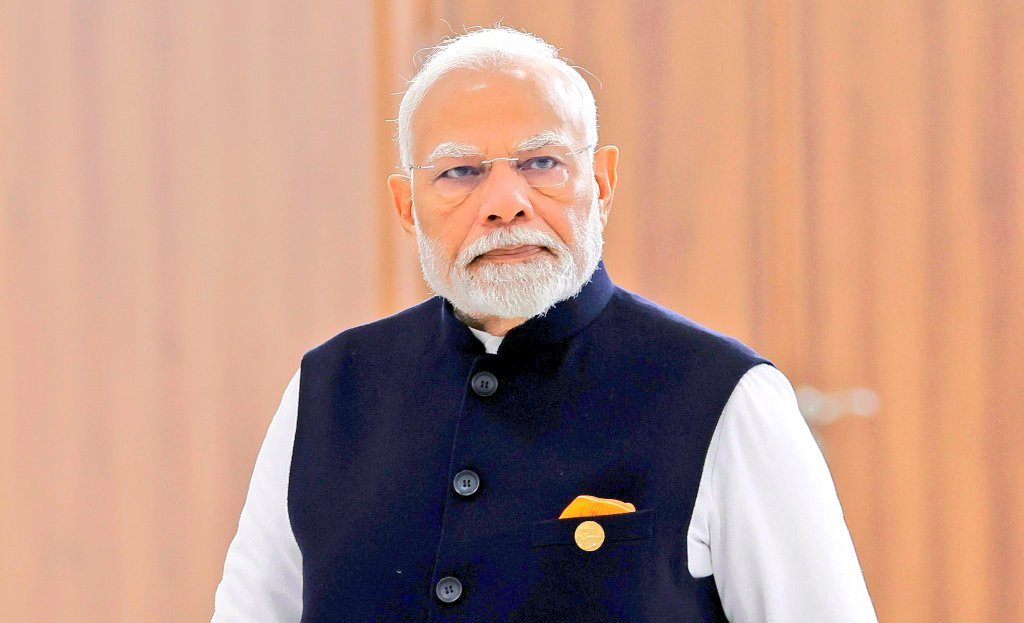
Trade experts say the proposed tariff cut could benefit Indian exporters in sectors such as pharmaceuticals, textiles, and technology, which have faced higher costs in the U.S. market. At the same time, American energy firms are expected to gain expanded access to India’s large and growing market.
The announcement has drawn mixed reactions globally, with supporters viewing it as a diplomatic win for Washington, while critics question the long-term sustainability of India’s shift away from Russian oil given its energy demands.
Market observers believe the deal signals a renewed push by the Trump administration to use trade policy as leverage in global geopolitics, particularly in Asia, where strategic alliances are increasingly shaped by energy security and economic interests.