





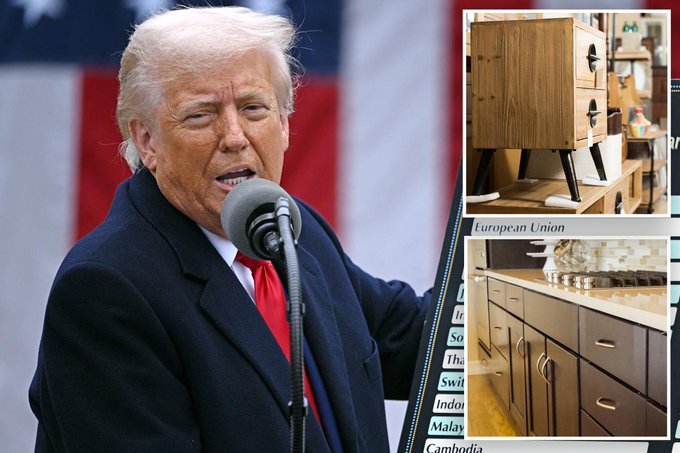
The Trump administration has postponed planned tariff increases on imported furniture and kitchen cabinets, easing concerns among manufacturers, retailers, and consumers over potential price surges and supply disruptions.
Eko Hot News reports that the delay follows sustained appeals from industry stakeholders who warned that higher tariffs could significantly raise costs for household goods and strain already pressured supply chains.

The tariff adjustments were initially proposed as part of a broader trade strategy aimed at strengthening domestic manufacturing and reducing reliance on imports. The affected products include a wide range of furniture and kitchen cabinet items sourced from multiple countries.
Industry groups had cautioned that immediate implementation would translate into higher retail prices, particularly at a time when inflation remains a concern for many households. Retailers also noted that limited domestic capacity could not quickly replace the imported supply.
Government officials stated that the postponement would provide more time for consultations with manufacturers, importers, and lawmakers, as well as a more thorough assessment of the economic impact on consumers and small businesses.
Supporters of the delay argue it provides breathing room for businesses to plan, adjust sourcing strategies, and manage inventory without sudden cost shocks. They also say it helps stabilise prices for essential home products.
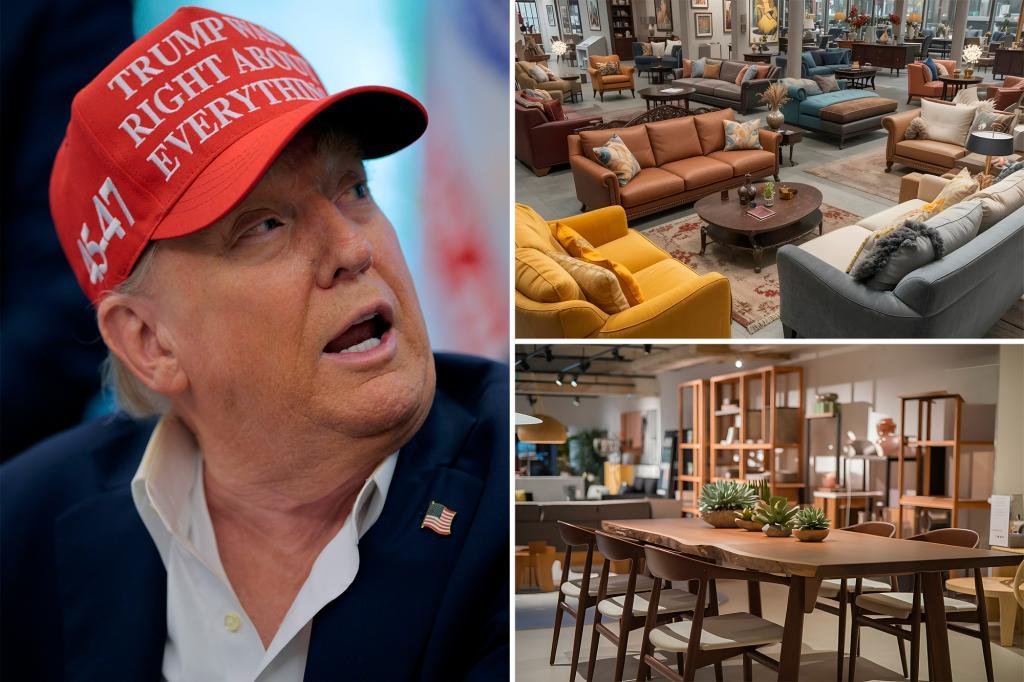
Critics, however, contend that deferring the tariffs could weaken protections for U.S. manufacturers and prolong exposure to cheaper foreign competition in the furniture and cabinetry market.
The development highlights ongoing debates within U.S. trade policy regarding the balance between protecting the domestic industry and promoting consumer affordability and economic stability.
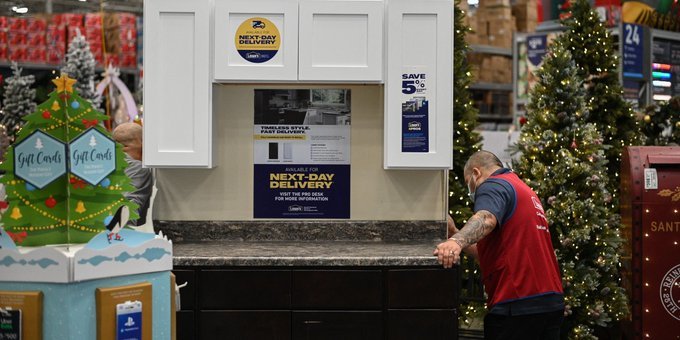
While no revised timeline has been announced, discussions are expected to continue as the administration reviews feedback and market data.
Eko Hot News will continue to monitor updates on U.S. trade policies and their global implications.