




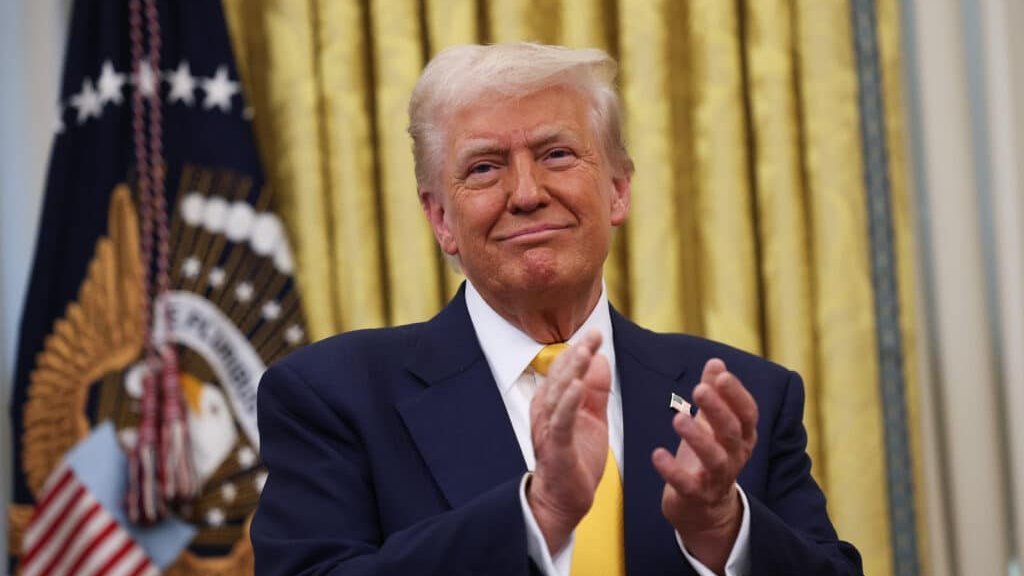
United States President Donald Trump has welcomed Iraqi Prime Minister Ali al-Zaidi to the White House, reaffirming Washington’s commitment to strengthening economic cooperation, security collaboration and long-term investment between both countries.
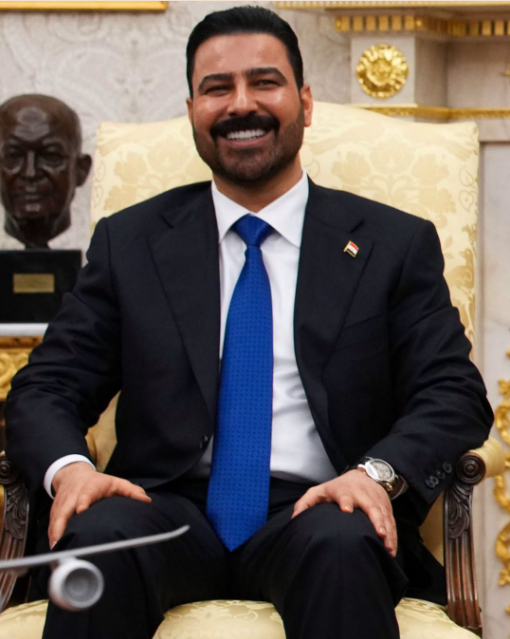
Eko Hot News reports that the meeting marked Ali al-Zaidi’s first official visit to the White House since assuming office as Iraq’s prime minister, with discussions focusing on regional stability, economic development, energy cooperation and bilateral relations.
President Trump described the visit as an opportunity to deepen ties between the United States and Iraq while advancing shared economic and strategic interests.
He expressed optimism that both countries could build a stronger partnership centred on prosperity, stability and expanded investment opportunities.
Ali al-Zaidi, who entered office earlier this year after months of political negotiations in Iraq, has presented himself as a leader focused on economic reforms, investment and infrastructure development.
The Iraqi prime minister arrived in Washington accompanied by senior government officials and members of the country’s business community.
According to Iraq’s government, the delegation aims to strengthen economic partnerships, attract foreign investment and expand the participation of American companies in major development projects.
Energy cooperation featured prominently during the discussions between both governments.
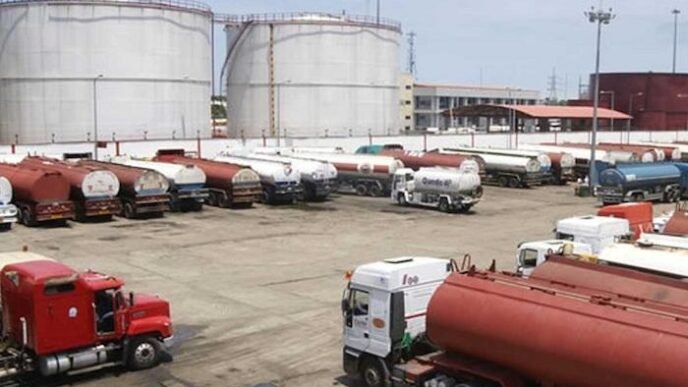
Officials from both countries are expected to advance talks on new investment opportunities within Iraq’s energy sector, including infrastructure projects designed to improve oil transportation and support long-term economic growth.
Observers say closer energy cooperation could strengthen commercial ties while supporting Iraq’s efforts to modernise its energy infrastructure.
Regional security was also among the key issues discussed during the White House meeting.
The United States has continued to encourage Iraq to strengthen state institutions and enhance national security while addressing the activities of armed groups operating within the country.
American officials have repeatedly emphasised the importance of maintaining stability and protecting diplomatic missions and international interests throughout the region.
For Iraq, improving national security remains an important element of attracting greater foreign investment and supporting sustainable economic development.
Political analysts note that Ali al-Zaidi’s business background distinguishes him from many previous Iraqi leaders.
Some observers believe his experience in the private sector could support efforts to attract investment and improve Iraq’s business environment.
However, experts also point out that implementing economic reforms will require cooperation across Iraq’s political institutions and continued dialogue among various stakeholders.
Analysts say balancing domestic priorities with regional challenges will remain one of the defining responsibilities of the new administration.
The White House meeting reflects continuing efforts by both governments to maintain constructive engagement on issues affecting regional security, trade and economic cooperation.
Officials also discussed ways to encourage greater private-sector participation in infrastructure, energy and development initiatives.
Economic observers believe stronger commercial partnerships between the United States and Iraq could generate investment opportunities while supporting long-term growth in key sectors.
The visit also highlights Iraq’s efforts to strengthen international partnerships as the country continues pursuing economic reforms and infrastructure development.
Diplomatic engagements between Washington and Baghdad remain an important part of broader efforts to promote stability, strengthen institutions and expand bilateral cooperation.
Both governments expressed optimism that continued dialogue would create new opportunities for investment, innovation and mutually beneficial partnerships.
The White House meeting concluded with renewed commitments to maintaining close diplomatic relations while exploring additional areas of cooperation in energy, commerce and regional development.
Observers expect further discussions between both countries in the coming months as agreements on investment and economic collaboration continue to progress.