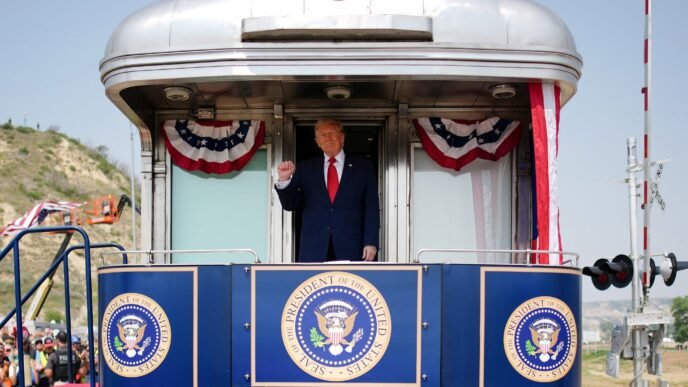




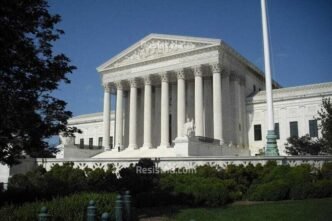
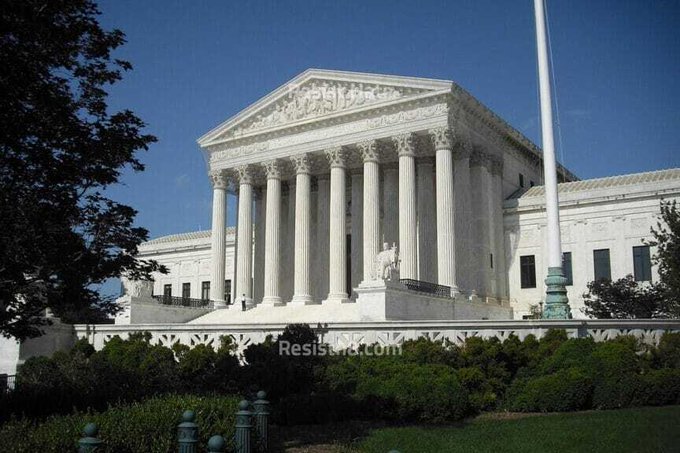
Justice Clarence Thomas has strongly disagreed with the U.S. Supreme Court’s decision to strike down President Donald Trump’s executive order seeking to limit birthright citizenship, describing the ruling as inconsistent with the original meaning of the U.S. Constitution.
Eko Hot News reports that the Supreme Court ruled 6-3 that the Constitution guarantees birthright citizenship to nearly everyone born in the United States, regardless of their parents’ immigration status.
The ruling rejected President Trump’s executive order, which sought to deny automatic citizenship to children born in the United States to parents who were in the country temporarily or without permanent legal status.
The majority decision reaffirmed the court’s long-standing interpretation of the Citizenship Clause in the 14th Amendment and relied on the 1898 landmark case, United States v. Wong Kim Ark.
Chief Justice John Roberts, writing for the majority, concluded that children born on U.S. soil are subject to the jurisdiction of the United States and therefore qualify for citizenship at birth under the Constitution.
Justice Thomas issued a 91-page dissent, arguing that the majority had misinterpreted both the Constitution and the historical intent behind the 14th Amendment.
According to Thomas, the Citizenship Clause was never intended to automatically grant citizenship to children of foreign nationals who were only temporarily present in the United States.
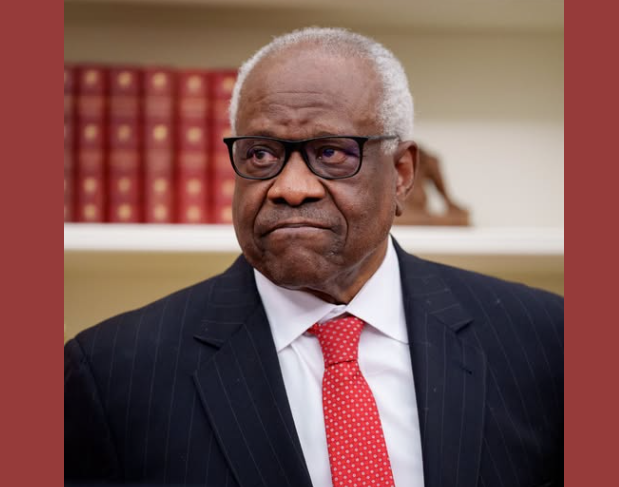
He maintained that the Reconstruction-era Congress understood the principle of domicile to be an important factor in determining citizenship under the amendment.
Thomas also questioned the majority’s reliance on English common law and argued that the Wong Kim Ark decision should not be extended to cases involving parents without permanent legal status.
In his opinion, much of President Trump’s executive order was consistent with the original public meaning of the Citizenship Clause and should have remained valid.
The majority, however, held that more than a century of constitutional interpretation supports recognizing birthright citizenship for children born in the United States, subject only to limited exceptions.
The court emphasized that the constitutional phrase “subject to the jurisdiction” applies to children born within the country’s territory, regardless of the immigration status of their parents.
The ruling represents a significant legal setback for the Trump administration’s effort to reinterpret the scope of birthright citizenship through executive action.
Supporters of the executive order argued that the policy reflected the original understanding of the Constitution, while opponents maintained that any change to birthright citizenship would require either a constitutional amendment or a reversal of long-established Supreme Court precedent.
Legal experts say the judgment reinforces existing constitutional protections governing citizenship and provides further clarity on the interpretation of the 14th Amendment.
The decision is expected to remain an important reference in future legal discussions surrounding immigration, constitutional law, and the limits of executive authority in the United States.
Justice Thomas’s dissent, meanwhile, highlights continuing judicial debate over the historical interpretation of the Citizenship Clause and its application in modern constitutional law.