




The Federal Ministry of Works has banned commercial motorcycles, popularly known as okada, and tricycles, known as keke, from operating on the Lagos-Calabar Coastal Highway to protect the newly completed road infrastructure.
Eko Hot News reports that the Federal Controller of Works in Lagos State, Mr. Olufemi Dare, announced that the restriction will take effect this week as part of measures to preserve the superhighway and ensure its long-term durability.
Dare said the decision was taken to prevent activities that could affect the condition of the highway and reduce its lifespan.
He described the Lagos-Calabar Coastal Highway as a major national infrastructure project that requires proper maintenance and responsible use by all road users.
The ministry also announced a ban on indiscriminate parking of trucks and articulated vehicles along the coastal highway and on bridges across Lagos State.
According to the controller, the practice disrupts traffic flow and places unnecessary pressure on critical road infrastructure.
The Federal Ministry of Works further prohibited the dumping of refuse along highway corridors, describing it as an unacceptable practice that undermines environmental cleanliness and public infrastructure.

Dare warned that enforcement of the new regulations would begin immediately, with officials monitoring compliance across strategic sections of the highway.
He disclosed that warning signs have already been installed along the route to notify motorists and other road users of the new directives.
Task force personnel will also be deployed to key locations to ensure strict adherence to the regulations and promote orderly use of the road.
The controller urged transport operators, motorists, and residents to cooperate with government officials by observing all traffic and environmental regulations on the highway.
He noted that protecting the infrastructure would reduce maintenance costs and ensure that the road continues to serve commuters efficiently for many years.
Dare stressed that every road user has a responsibility to preserve public infrastructure through compliance with established rules and responsible conduct.
He added that the Lagos-Calabar Coastal Highway represents a significant investment in Nigeria’s transportation network and should be safeguarded for the benefit of present and future generations.
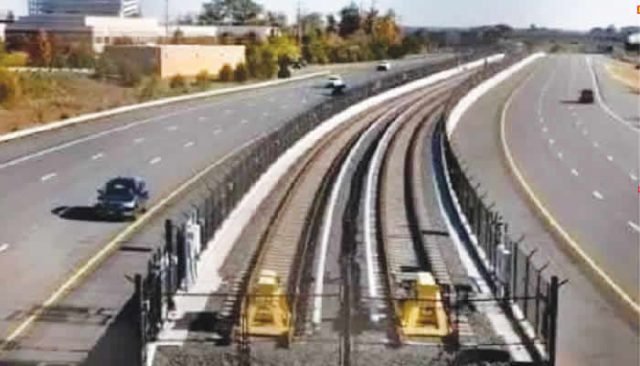
The Federal Ministry of Works reaffirmed its commitment to maintaining high standards across the nation’s road network while encouraging the public to support efforts aimed at preserving critical infrastructure.
Authorities expressed confidence that the new measures will enhance road safety, improve traffic management, and protect one of Nigeria’s flagship transportation projects.