



The Lagos State Wastewater Management Office (LSWMO) has reinforced its partnership with the Association of Facilities Management Practitioners of Nigeria (AFMPN) to improve wastewater management standards and environmental compliance across Lagos State.
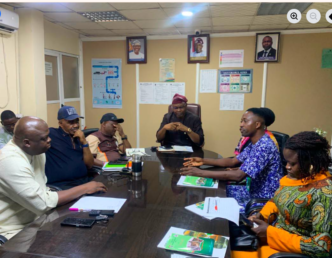
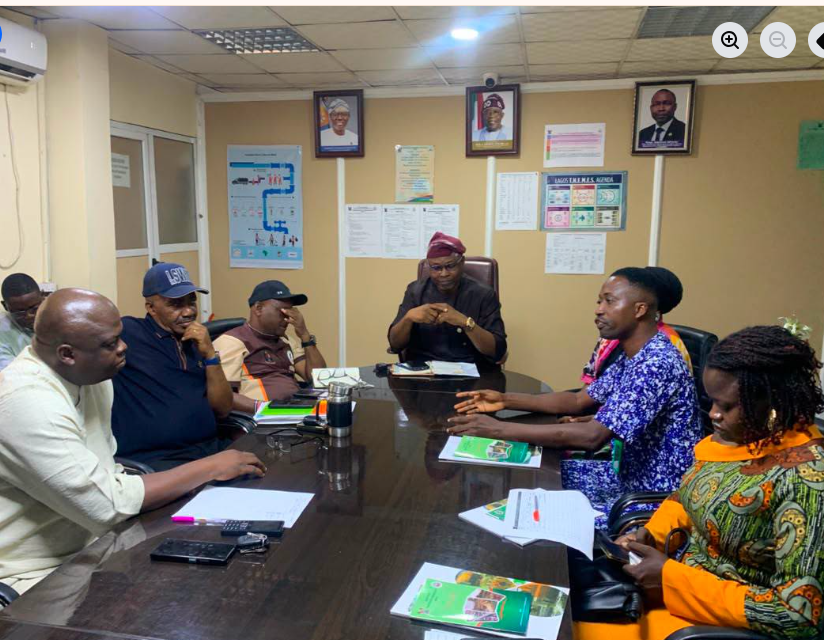
Eko Hot News reports that the strategic engagement was held at the LSWMO Headquarters in Ikeja as part of efforts to strengthen wastewater governance and promote sustainable environmental practices in residential, commercial, and institutional facilities.
Speaking during the meeting, the General Manager of LSWMO, Engr. Adefemi Afolabi, described facility managers as key stakeholders in achieving a cleaner, healthier, and more sustainable Lagos.
According to him, effective wastewater management requires more than government regulations and infrastructure. He stressed that professionals managing facilities where wastewater is generated daily play a crucial role in maintaining environmental standards.
Afolabi noted that facility managers are responsible for ensuring proper maintenance of wastewater systems, functional septic facilities, and professional sewage evacuation processes.
He explained that their position within the built environment makes collaboration with AFMPN both necessary and impactful for achieving long-term environmental sustainability.
The General Manager revealed that LSWMO is intensifying stakeholder engagement initiatives to ensure facility managers, estate operators, and property managers are equipped with the knowledge needed to support responsible wastewater management.
He stated that the agency is committed to moving from reactive wastewater management practices to a more preventive and sustainable model.
According to him, this vision can only be achieved through strategic partnerships, continuous education, and a shared commitment to environmental responsibility.
Afolabi said LSWMO remains dedicated to improving awareness, strengthening compliance, and promoting best practices throughout the facilities management sector.
He further highlighted several new initiatives being introduced by the Office to improve operational efficiency and environmental outcomes across the state.
The initiatives, he explained, are designed to enhance monitoring systems, improve stakeholder engagement, and support data-driven decision-making in wastewater management.
The General Manager added that the Office is also working to improve access to wastewater management information and services for residents and stakeholders.
According to him, the planned innovations will make compliance easier while encouraging more efficient wastewater management practices across various facilities.
He emphasized that facility managers must be regarded as strategic partners because they directly influence how wastewater infrastructure is maintained within estates, institutions, office complexes, and commercial facilities.
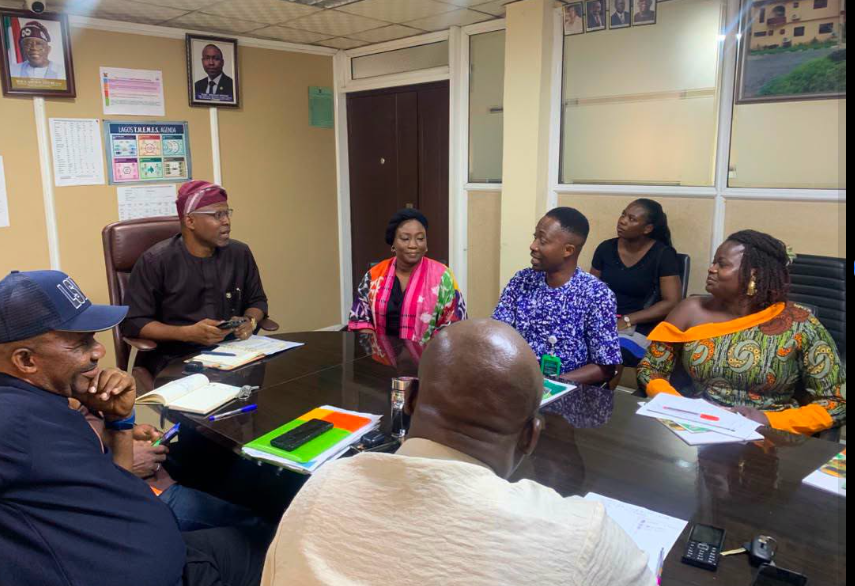
Afolabi also stressed the importance of regular capacity development for professionals in the facilities management sector.
He expressed the agency’s readiness to collaborate with AFMPN on specialized training programmes, technical workshops, and knowledge-sharing platforms.
The General Manager noted that continuous professional development is essential to improving industry standards and supporting sustainable environmental practices.
In his remarks, the President of the Association of Facilities Management Practitioners of Nigeria, Dr. Olumide Aina, commended LSWMO for its proactive stakeholder engagement strategy.
He described the collaboration as an important step toward strengthening the relationship between regulators and practitioners in the environmental management sector.
Aina observed that facility managers play a critical role in maintaining infrastructure and ensuring healthy living and working environments.
He said the profession sits at the intersection of environmental sustainability, public health, infrastructure management, and service delivery.
According to him, members of the association are eager to support LSWMO’s efforts to promote responsible wastewater management practices across Lagos State.
The AFMPN President further noted that many facility managers oversee complex wastewater systems in residential estates, healthcare facilities, educational institutions, commercial developments, and corporate organizations.
He stressed the importance of continuous education and technical support to help practitioners keep pace with evolving environmental regulations and industry expectations.
Aina welcomed LSWMO’s commitment to capacity building and knowledge-sharing initiatives aimed at strengthening professional standards.
He added that the wastewater management landscape continues to evolve rapidly, requiring professionals to update their knowledge regularly.
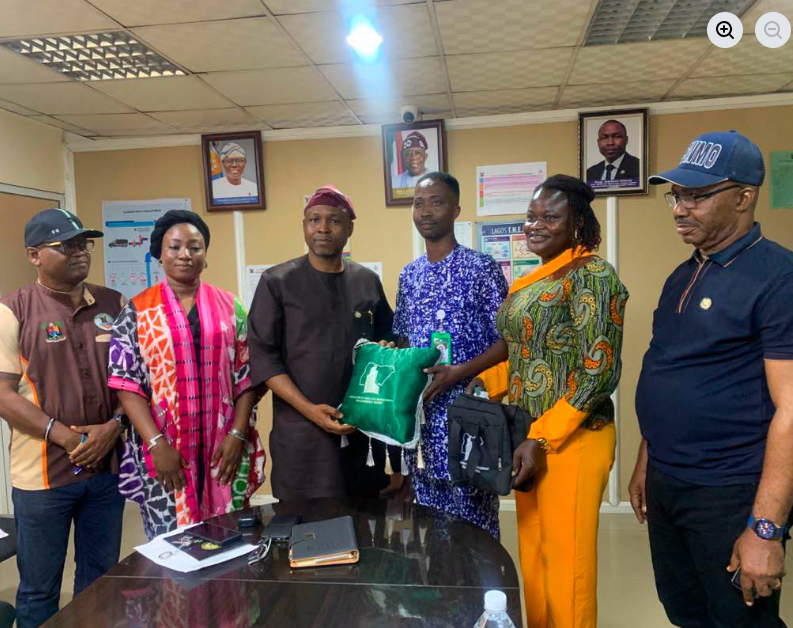
The engagement highlighted the shared commitment of both organizations to promoting environmental sustainability and improving public health outcomes.
Stakeholders agreed that stronger collaboration between regulators and practitioners will contribute significantly to building a cleaner and more environmentally responsible Lagos.
The partnership is expected to drive improved compliance, encourage innovation, and support the development of effective wastewater management solutions across the state.
As Lagos continues to expand, both organizations reaffirmed their commitment to ensuring that wastewater management remains a key component of sustainable urban development.
The meeting concluded with renewed commitments to collaboration, professional development, and the promotion of best practices that will support a healthier environment for all residents.