



United States President Donald Trump has announced what he described as a “great settlement” with Iran, saying a final agreement to end hostilities in the Middle East is expected to be signed in Europe within days.
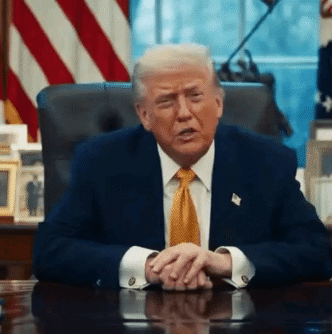
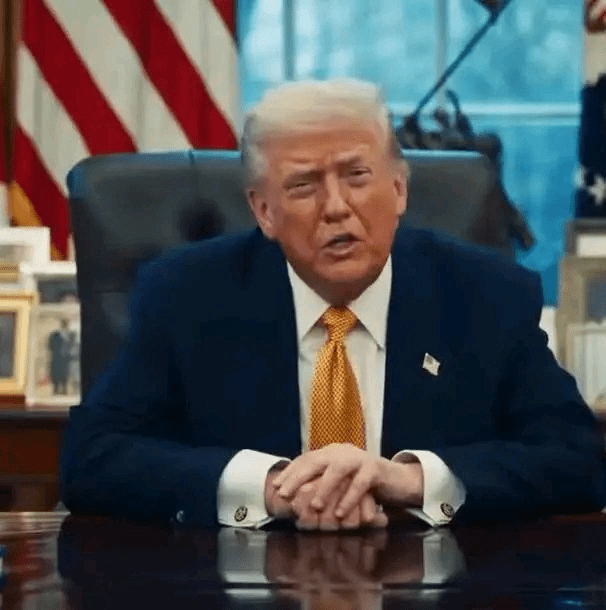
Eko Hot News reports that the President made the remarks at the White House, stating that the deal was in its final stages and awaiting formal documentation and signature.
Trump said the agreement would ensure that Iran does not acquire nuclear weapons, though he did not provide detailed terms of how that commitment would be enforced.
He added that preparations were underway for a possible signing ceremony in Europe, describing the development as a major diplomatic breakthrough.
According to him, the settlement follows high-level discussions with regional leaders, including Israeli Prime Minister Benjamin Netanyahu and other partners.
The President also stated that the Strait of Hormuz, a key global shipping route, would be reopened once the agreement is signed.
Trump said the development would have a positive impact on global stability and energy markets.
He further claimed that the broader Middle East region is reacting positively to the progress of the negotiations.
The announcement comes after days of shifting positions from the President, including earlier threats of military action and subsequent cancellation of planned strikes.
He said final points of the agreement had been approved, allowing the process to move toward formal conclusion.
Iran has not issued an official confirmation of the claimed settlement at the time of reporting.
Previous reports indicated that negotiations between both sides have been ongoing with external mediation from regional partners.
The proposed framework reportedly includes provisions for a ceasefire extension and gradual normalization of key trade routes.
Energy markets reacted to the development with expectations of improved supply stability, particularly regarding oil flows through the Strait of Hormuz.
The Strait is considered one of the world’s most critical oil transit routes, handling a significant share of global energy shipments.
Analysts say any reopening of the corridor could ease pressure on global oil prices and reduce market volatility.
Further updates are expected as diplomatic teams move toward formal documentation and verification of the agreement.
The situation remains fluid as both sides are yet to jointly confirm final terms.