




The Lagos State Government, through Health District III, has urged Medical Officers of Health (MOHs) across the district to adopt routine data verification as a standard responsibility to improve accountability and strengthen healthcare reporting systems.
Eko Hot News reports that the call was made by the Permanent Secretary of Health District III, Dr. Monsurat Adeleke, during the Quarterly Data Review Meeting held at the District Headquarters in Ikoyi, Lagos.
Dr. Adeleke stressed the importance of accurate data management in all Primary Healthcare facilities, noting that every figure submitted must reflect actual healthcare service delivery within communities.
According to her, the Lagos State Government is focused on measurable impact rather than inflated statistics. She explained that inaccurate health data could negatively affect planning, vaccine distribution, funding decisions, outreach programmes, and overall healthcare outcomes.
The Permanent Secretary stated that reliable reporting remains critical to improving immunisation coverage, maternal healthcare services, and public confidence in the healthcare system.
She also revealed that the state government has introduced a web-based reporting application designed to improve transparency, accountability, real-time reporting, and performance monitoring across health facilities.
Dr. Adeleke explained that all healthcare facilities are expected to access the digital platform weekly and select the appropriate reporting period to ensure consistency in data submission and review processes.
She reminded all officers that weekly facility coverage reports must be submitted to the district by 8:00 p.m. every Thursday to support timely evaluation and informed decision-making.
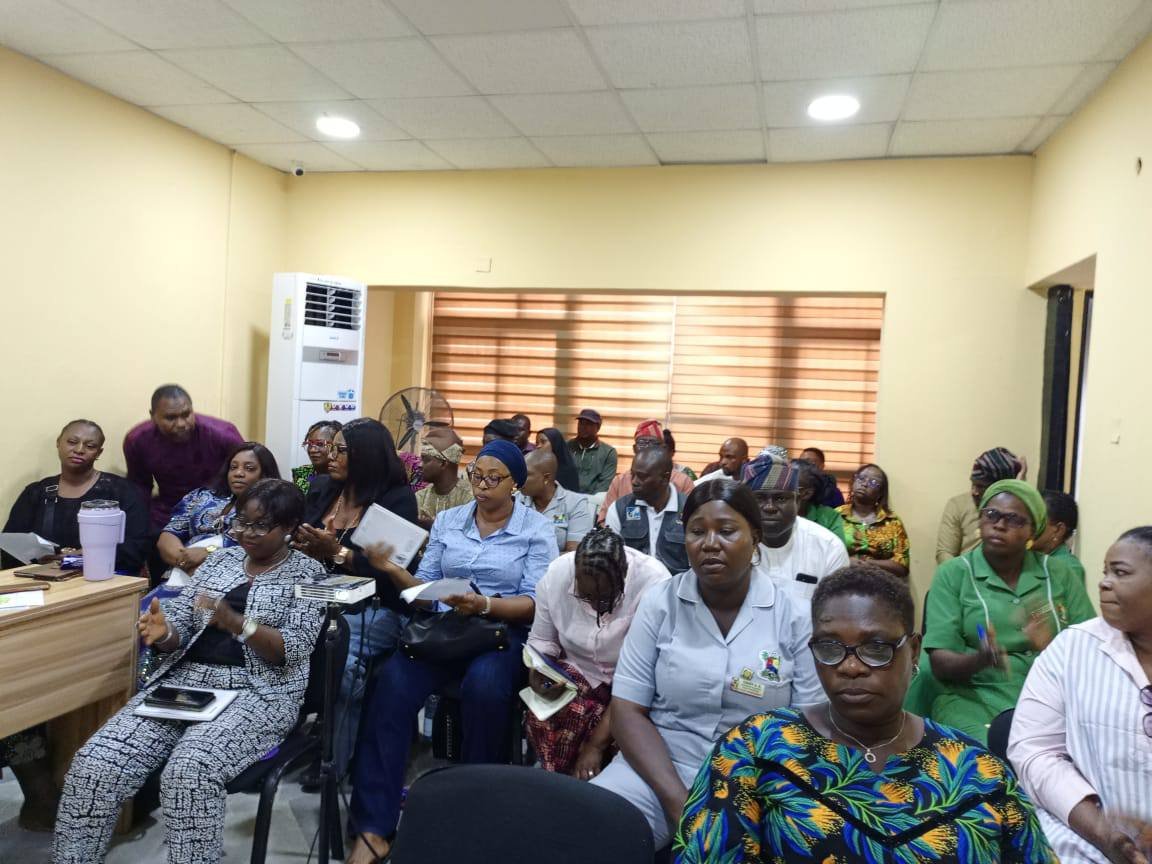
The Permanent Secretary urged health officials to remain committed to maintaining high standards in data reporting, noting that strong internal review mechanisms are essential for effective healthcare administration.
“Together, we can improve immunisation coverage, strengthen maternal and child health services, restore confidence in our reporting systems, and improve health outcomes for Lagos residents,” she stated.
The meeting also featured presentations from health professionals and departmental representatives on key healthcare indicators and essential medical supplies across the district.
The Head of Health Information Management, Mrs. Bolaji Simbo, delivered a presentation titled “Health District III, QI – 2024 – 2025 – 2026 for Ibeju-Lekki, Epe, and Eti-Osa LGAs.”
Her presentation focused on healthcare data trends, reporting performance, and service delivery assessments across the three Local Government Areas within the district.
In another session, Pharm. Damola Adaramoye from the Pharmaceutical Services Department delivered a presentation on “Consumption Patterns of Life Saving & Essential Health Commodities (2024 – 2025).”
The presentation examined the usage trends of essential medicines and healthcare commodities within health facilities, highlighting the importance of proper inventory management and efficient supply chain monitoring.
Stakeholders at the meeting discussed the need for improved collaboration among healthcare workers, data managers, and administrators to strengthen service delivery across primary healthcare centres.
Participants also explored strategies for improving reporting accuracy, enhancing digital data management systems, and ensuring prompt submission of healthcare records.
Health District III covers several key areas within Lagos State, including Ibeju-Lekki, Epe, and Eti-Osa, where the government continues to strengthen healthcare infrastructure and service delivery.
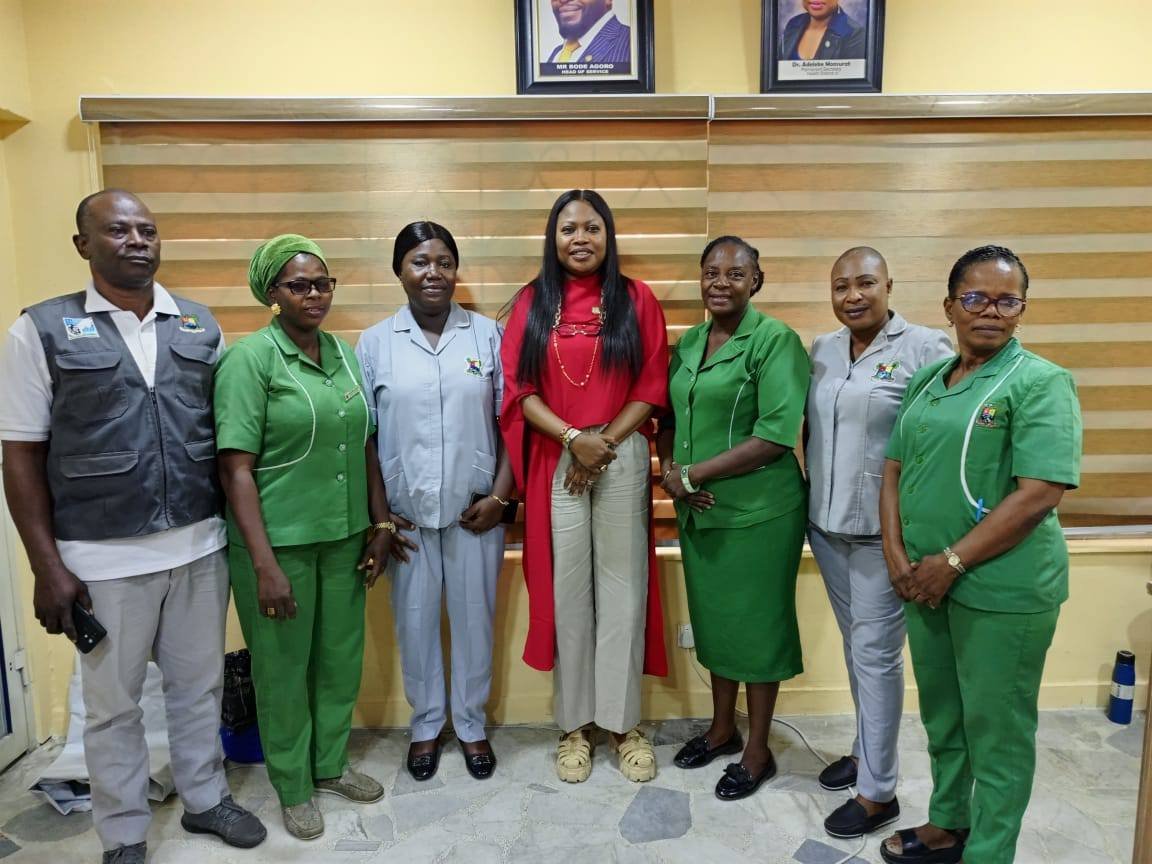
The Lagos State Government has consistently prioritised healthcare reforms through investments in digital systems, improved monitoring frameworks, and capacity-building initiatives for health workers.
Observers say accurate healthcare data remains essential for planning public health interventions, monitoring disease outbreaks, allocating resources, and improving patient care outcomes.
The renewed focus on accountability and routine verification is expected to support the state’s broader healthcare objectives and improve the quality of primary healthcare services available to residents.
The initiative also aligns with ongoing efforts by the Lagos State Government to modernise healthcare administration and ensure evidence-based decision-making across the sector.