



Nigeria and the United States have strengthened discussions on security cooperation, counterterrorism, and regional stability following a high-level meeting between Nigeria’s National Security Adviser, Mallam Nuhu Ribadu, and top U.S. officials in Washington.
Eko Hot News reports that the three-day working visit featured strategic engagements with U.S. Vice President J. D. Vance, Secretary of State Marco Rubio, Undersecretary for Political Affairs Allison Hooker, and Assistant Secretary Daniel Zimmerim.
During the meetings, Ribadu conveyed President Bola Ahmed Tinubu’s commitment to maintaining a strong strategic partnership between Nigeria and the United States.
The discussions focused on expanding cooperation in counterterrorism, intelligence sharing, defence collaboration, regional security, and democratic governance. Both countries also reviewed ongoing partnerships aimed at promoting stability across West Africa and the Sahel region.
Ribadu highlighted the growing security concerns facing West Africa, including terrorism, transnational crime, cyber threats, and violent extremism. He stressed the need for stronger international cooperation to tackle emerging regional challenges.
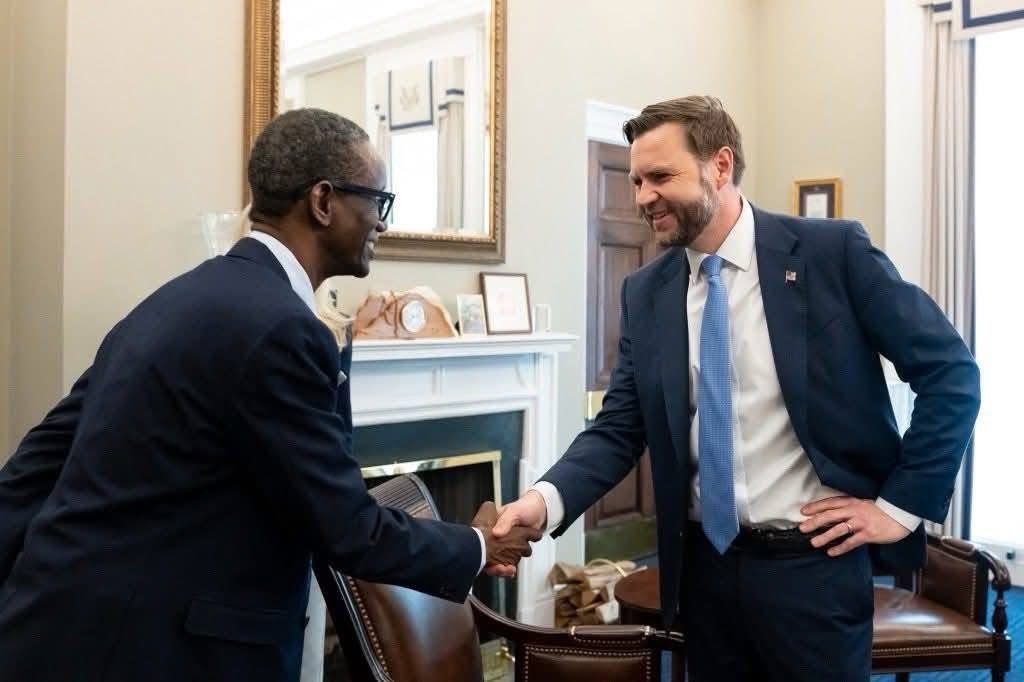
The National Security Adviser reaffirmed Nigeria’s role as a leading force in regional peacebuilding and security operations across the Lake Chad Basin and other parts of West Africa. He noted that Nigeria remains committed to supporting peace, economic growth, and democratic development across the continent.
The meetings also addressed the evolving security landscape in the Sahel and the importance of strengthening institutional capacity to respond effectively to complex threats affecting regional stability.
At the U.S. Department of State, Ribadu expressed appreciation to the American government for its continued support in security assistance, humanitarian interventions, intelligence cooperation, and defence capacity development.
Both countries reviewed progress under the Nigeria–U.S. Joint Working Group framework, which was established to strengthen bilateral cooperation on security and strategic issues.
The discussions examined practical measures for improving intelligence sharing, military collaboration, border security, strategic communication, and training for Nigerian security agencies.
Ribadu also briefed U.S. officials on reforms being implemented by the Nigerian government to improve national security and stabilise affected communities. He explained that the administration’s approach combines security operations with community engagement, economic development, and deradicalisation programmes.
According to the NSA, the Nigerian government remains focused on addressing the root causes of insecurity through partnerships, institutional reforms, and inclusive development strategies.
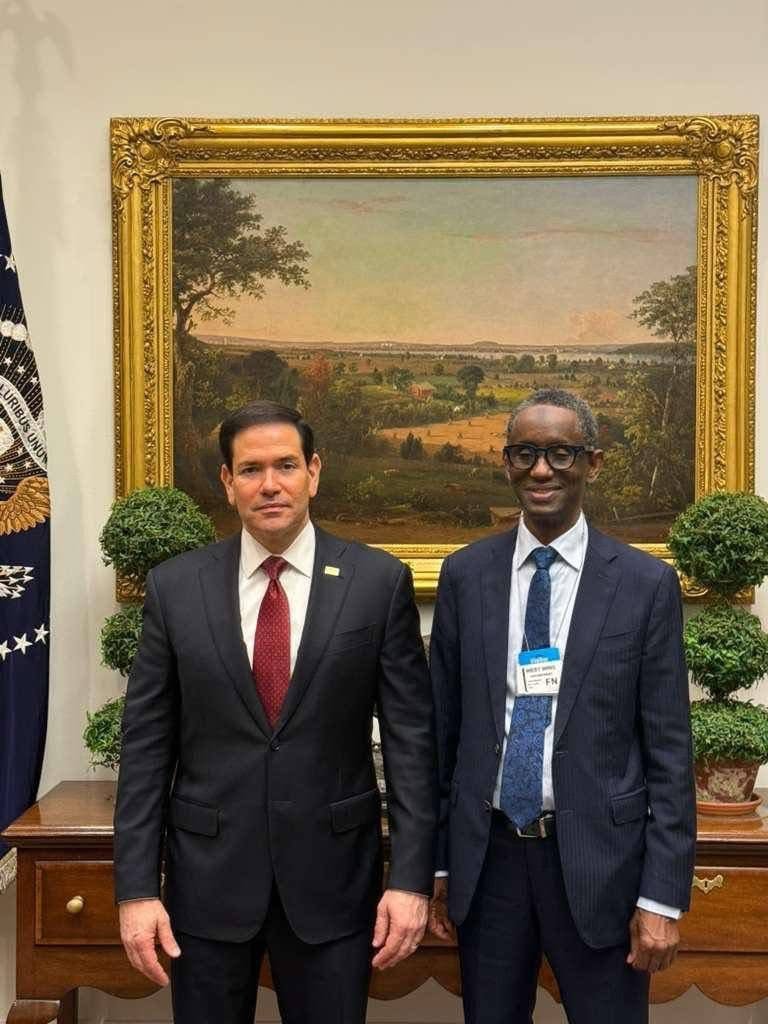
U.S. officials commended Nigeria’s leadership role in promoting peace and security across Africa. They described Nigeria as a strategic partner whose contributions remain important to regional stability and democratic governance.
Both sides reaffirmed their commitment to maintaining regular diplomatic communication and strengthening collaboration through the Joint Working Group framework.
The meetings concluded with renewed optimism about the future of Nigeria–U.S. relations, with both countries pledging to deepen defence, intelligence, and economic cooperation.
Observers believe the renewed partnership could further support regional security efforts and strengthen institutional coordination between both nations in addressing global and regional challenges.
The visit also reflects Nigeria’s continued efforts to engage international partners in building sustainable peace and improving security coordination across Africa.
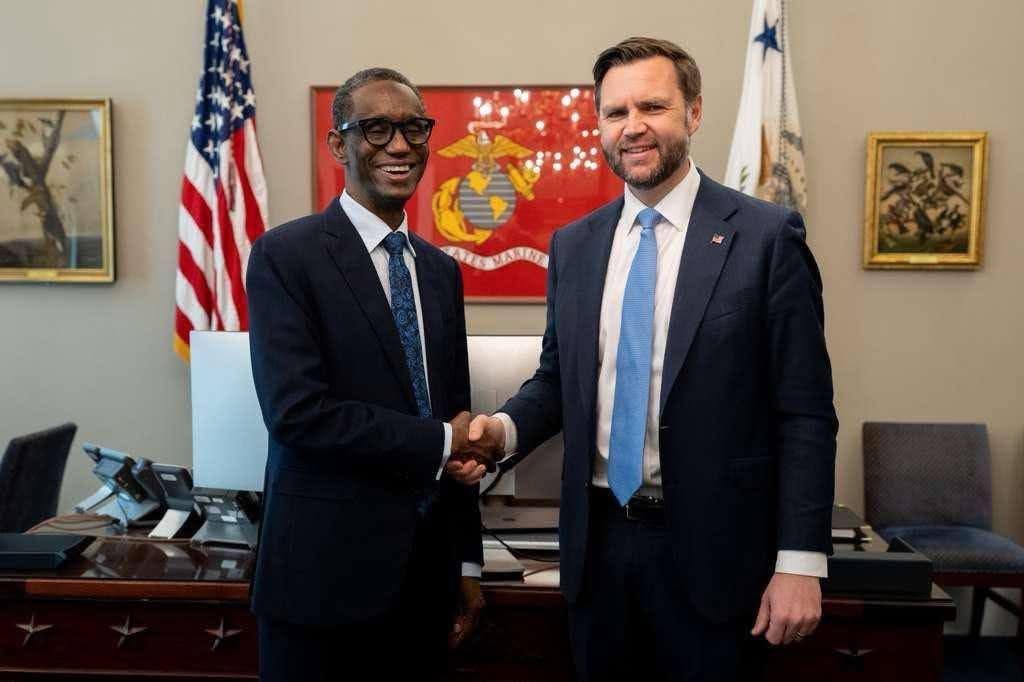
Stakeholders have described the engagements as timely, especially as countries across West Africa continue to explore collaborative approaches to tackling insecurity and supporting economic resilience.
The strengthened partnership is expected to improve strategic cooperation in areas such as intelligence gathering, capacity development, regional peace initiatives, and institutional reforms.
Analysts say the renewed diplomatic engagement further highlights the importance of international collaboration in addressing evolving security concerns and promoting long-term stability across the region.