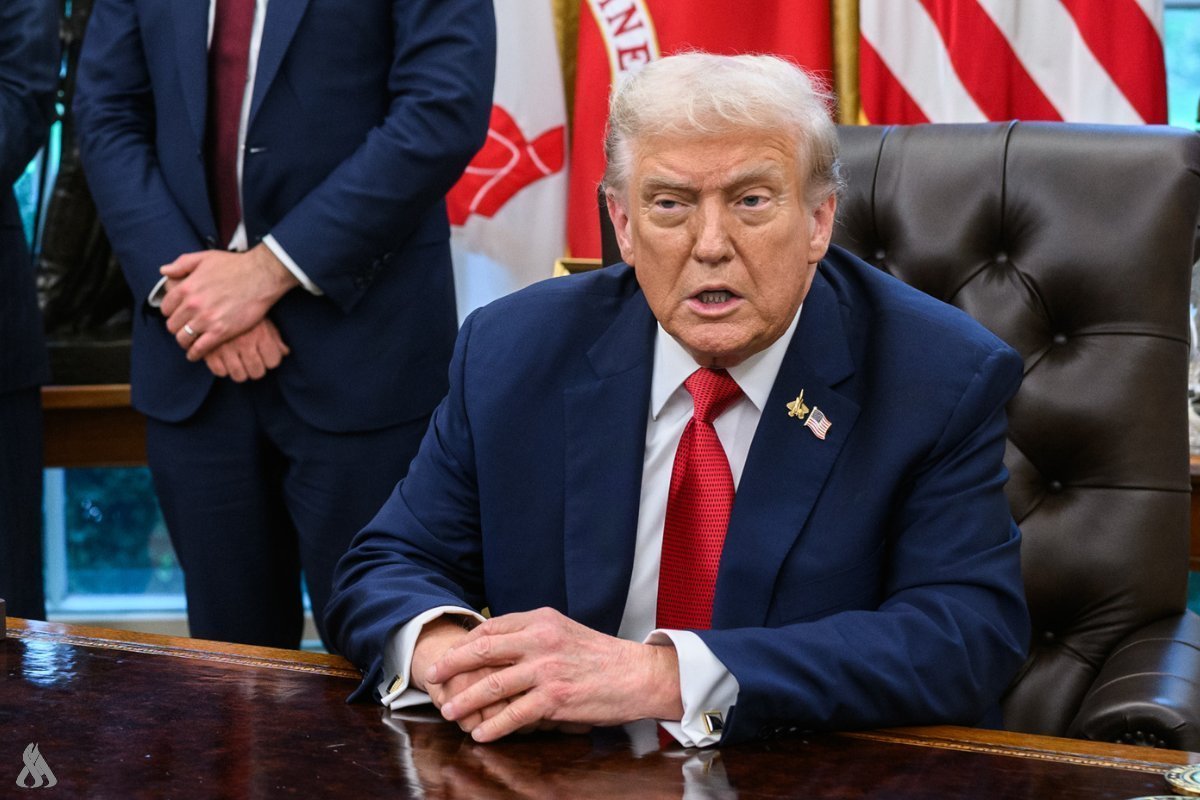




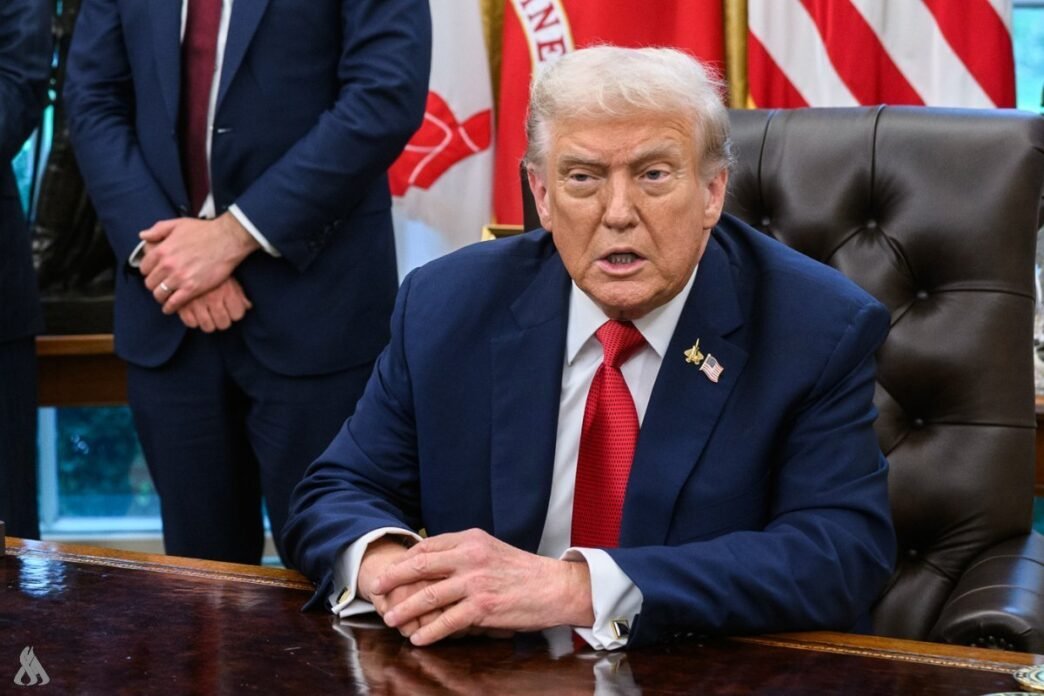
U.S. President Donald Trump has expressed disappointment over what he described as limited immediate support from several NATO member countries during the recent tensions involving Iran. He said the United States has consistently stood by its allies and expected stronger backing in return.
Eko Hot News reports that Trump questioned why the United States continues to commit significant financial resources to the alliance if some member states are not ready to provide timely support when needed. He argued that the relationship should reflect mutual commitment and shared responsibility.
According to Trump, the United States has invested heavily in collective security and international partnerships over the years. He maintained that allies should demonstrate the same level of dedication whenever challenges arise.
The president’s remarks have reignited discussions over burden-sharing within North Atlantic Treaty Organization. The issue has remained a recurring topic in transatlantic relations, with ongoing debates about defence spending and contributions among member countries.
Trump has repeatedly called on NATO members to increase their commitments and ensure that responsibilities are distributed more evenly. He has argued that stronger participation from all allies would reinforce the alliance and promote greater stability.
Several NATO countries have, in recent years, increased their defence budgets in response to changing global security priorities. However, discussions continue over the pace of implementation and the level of contributions expected from individual members.
Political analysts say Trump’s latest comments are consistent with his long-standing position that the United States should receive greater support from allies in return for its leadership role within NATO. They note that burden-sharing has remained one of the key issues in discussions between Washington and its partners.
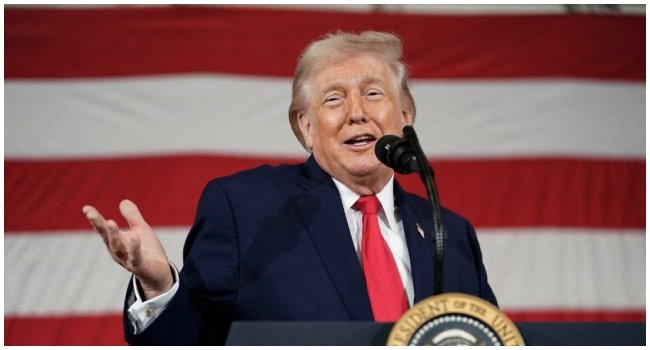
Observers also believe the comments could influence future conversations on alliance cooperation, defence planning and financial commitments. NATO leaders have continued to stress the importance of unity and collective decision-making among member states.
The alliance has consistently maintained that cooperation among member countries remains central to addressing shared security concerns. Officials have also encouraged continued dialogue to strengthen collaboration and improve preparedness.
Trump’s statement has generated fresh reactions across political and diplomatic circles, with supporters agreeing that allies should contribute more, while others maintain that NATO members already provide support in different ways based on their capabilities and national priorities.
The comments come at a time when international partnerships continue to evolve in response to changing geopolitical developments. Analysts say discussions over alliance responsibilities are likely to remain part of broader foreign policy conversations in the months ahead.
For many observers, Trump’s remarks reflect a continuing debate over how international alliances should operate in a rapidly changing global environment. The discussion is expected to remain relevant as NATO members prepare for future policy meetings and strategic planning sessions.
Despite differing opinions, experts agree that cooperation between allies remains an important pillar of international diplomacy. They believe continued engagement and open communication will be essential in addressing common challenges and strengthening long-term partnerships.