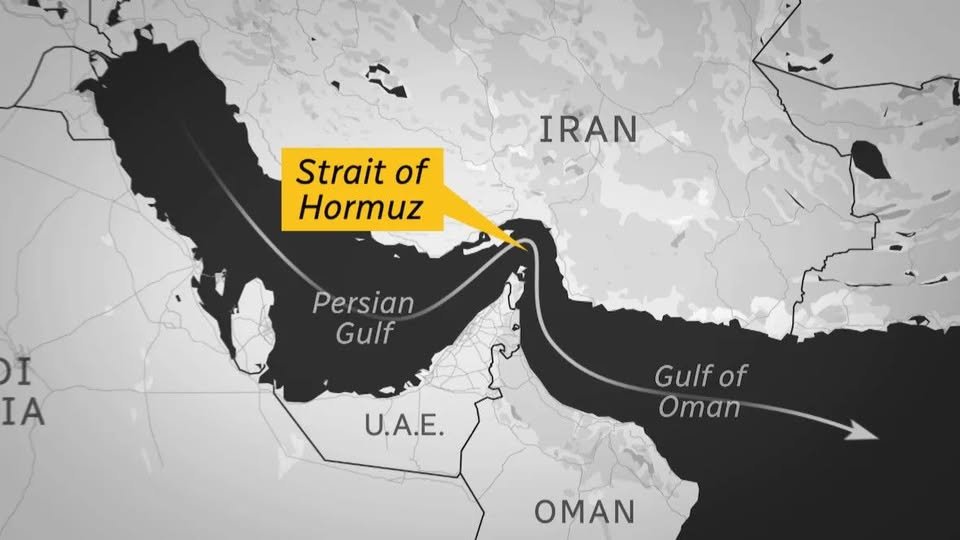




The United States has indicated that China may play a key role in efforts to reopen the strategically important Strait of Hormuz amid ongoing global energy concerns.
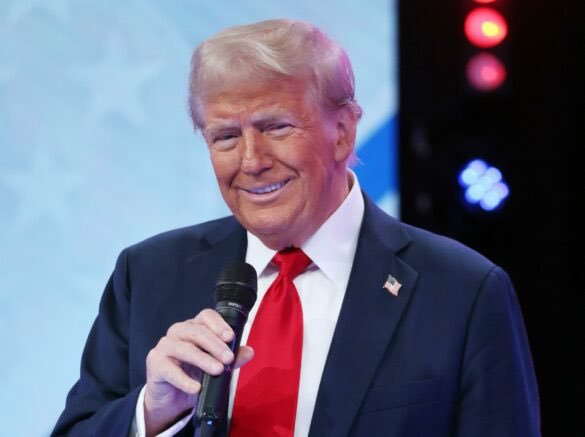
Eko Hot News reports that President Donald Trump and Treasury Secretary Scott Bessent said Beijing could use its influence to help restore normal maritime movement through the waterway.
The remarks were made as Washington continues diplomatic pressure on China to engage with Iran over the situation affecting global oil shipments.
Officials said the White House is increasingly relying on China’s economic ties with Iran to encourage a resolution.
The Strait of Hormuz remains a critical global shipping route for energy supplies, and disruptions have raised concerns in international markets.
Bessent suggested that China has a stronger economic interest than the United States in ensuring the strait is fully reopened.
He noted that Beijing’s energy imports from the Gulf region make stability in the waterway a strategic priority for China.
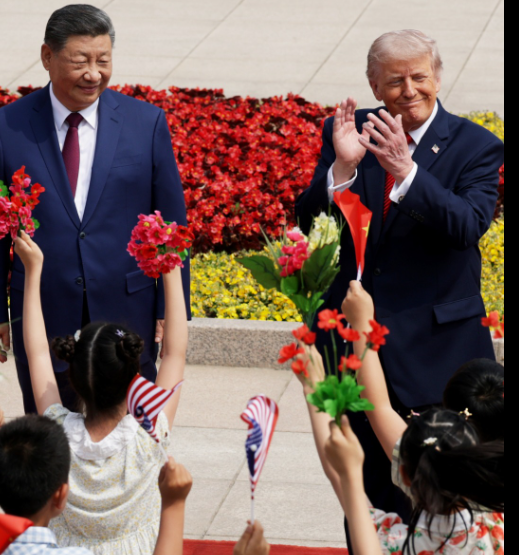
The U.S. Treasury Secretary also expressed confidence that China would engage diplomatically behind the scenes to influence developments.
According to him, any progress would likely come through quiet negotiations rather than public interventions.
The statement comes as global energy markets continue to experience pressure due to uncertainty in maritime routes.
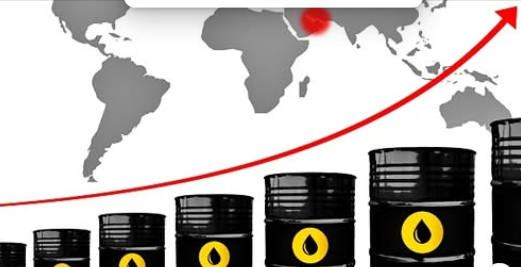
China has been identified by U.S. officials as a key stakeholder due to its heavy reliance on Middle East oil imports.
Analysts say Washington’s approach reflects growing efforts to involve major global economies in resolving regional disruptions.
The U.S. administration believes coordinated international pressure could support efforts to stabilize energy flows.
Officials emphasized that maintaining open shipping lanes remains a priority for global economic stability.
The discussion also highlights ongoing diplomatic engagement between Washington and Beijing on broader geopolitical issues.
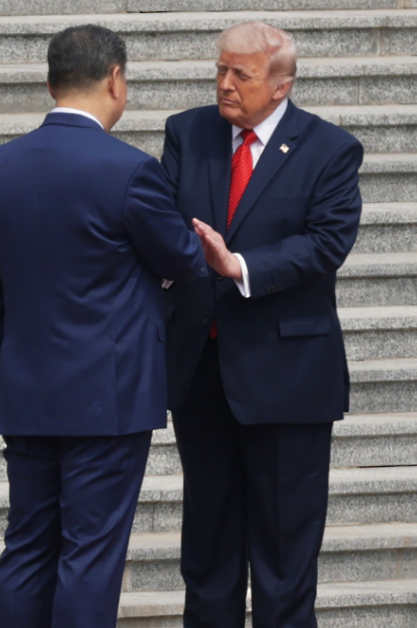
Observers note that China’s response will be closely watched due to its strategic relationship with Iran.
The White House continues to explore diplomatic channels aimed at reducing tensions affecting global trade routes.
Energy experts warn that prolonged disruption in the region could impact global oil prices and supply chains.
Both countries are expected to continue discussions on how to address the situation in the coming days.
The development underscores the growing importance of multilateral cooperation in managing global energy security challenges.