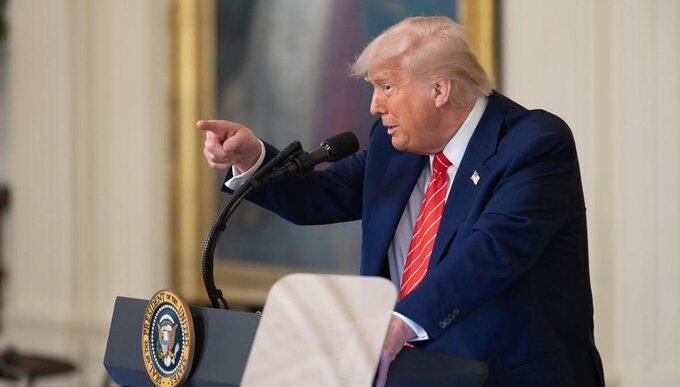





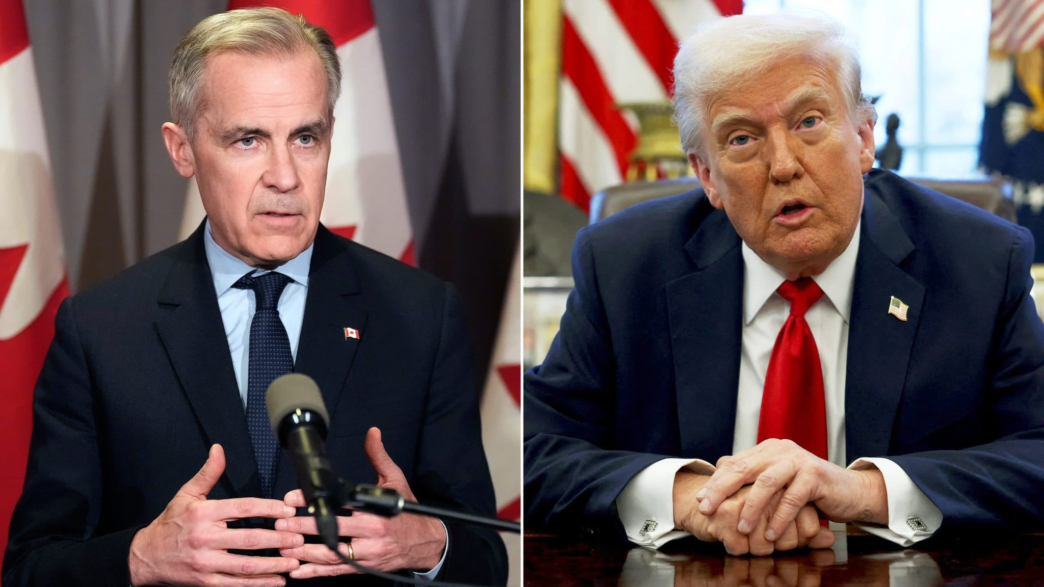
US President Donald Trump has announced plans to impose a 50 percent duty on trucks, cars and steel imported from Canada, citing what he described as excessively high Canadian tariffs on American agricultural products.
Eko Hot News reports that Trump made the announcement on Monday morning as trade tensions between the United States and Canada continued to intensify.
The proposed measure represents another major development in the ongoing trade disagreement between the two neighbouring countries.
Trump said the decision was prompted by what he called “ridiculously high tariffs” imposed by Canada on American agricultural goods.
According to the president, the new duties are intended to address what his administration considers an imbalance in bilateral trade.
The proposed 50 percent duty would affect several important categories of Canadian exports to the United States.
Vehicles and trucks manufactured in Canada could face significantly higher costs when entering the American market.
Steel imported from Canada would also be covered by the proposed tariff.
The announcement could have implications for manufacturers, exporters and consumers on both sides of the border.
The United States and Canada maintain a closely integrated economic relationship, particularly in the automotive and manufacturing sectors.
Vehicles and automotive components regularly move between the two countries as part of established supply chains.
A substantial increase in tariffs could therefore affect production costs for companies operating across the North American market.
American businesses that rely on Canadian steel could also face higher input costs if the proposed measure takes effect.
The potential impact could extend to other industries that depend on steel and automotive products.
Trump has repeatedly argued that tariffs can be used to encourage fairer trade arrangements and protect American industries.
His latest announcement continues that approach by targeting major Canadian exports to the United States.
The president’s criticism focused particularly on Canadian treatment of American agricultural products.
He argued that Canadian tariffs have placed American farmers and agricultural businesses at a disadvantage.
The proposed response is therefore being presented by the administration as a measure aimed at addressing those concerns.
Canada remains one of the largest trading partners of the United States, making any significant tariff increase important for both economies.
Businesses on both sides of the border are likely to monitor the situation closely.
Manufacturers will be particularly interested in whether the proposed tariffs are implemented and when they could take effect.
Consumers could also be affected if companies pass increased import costs through to prices.
The automotive industry may face particular uncertainty because of the extensive integration between American and Canadian production networks.
Many vehicles and parts cross the border several times before final assembly.
Additional duties could increase costs at different stages of that process.
Steel producers and users are also likely to assess the potential consequences of the proposed policy.
Canadian exporters could face reduced access to the American market if the 50 percent duty becomes effective.
The Canadian government may also consider its response to the proposed measure.
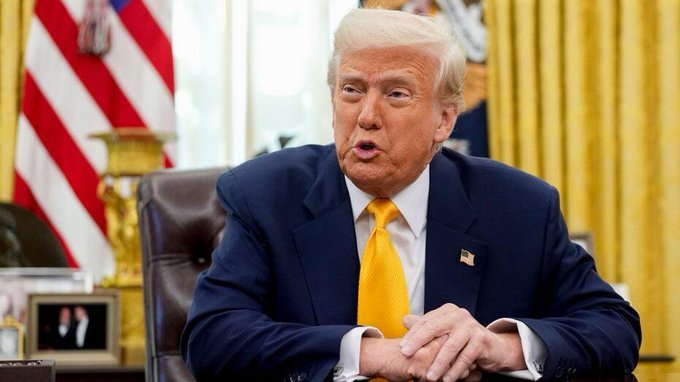
Any additional action from Ottawa could further complicate trade relations between the two countries.
The development comes amid continuing efforts by both governments to protect domestic industries and secure favourable trading conditions.
Trump has made trade policy a major part of his economic agenda.
His administration has argued that stronger tariff measures can encourage foreign governments to reconsider policies affecting American businesses.
Critics of high tariffs have warned that such measures can increase costs for companies and consumers.
They have also raised concerns about potential disruptions to established supply chains.
The latest proposal could therefore generate further debate among businesses, policymakers and trade experts.
For American farmers, the administration’s focus on Canadian agricultural tariffs could be welcomed if it leads to changes in market access.
For Canadian manufacturers, however, a 50 percent US duty could create significant commercial challenges.
The two countries have strong incentives to maintain predictable trade arrangements because of their extensive economic links.
Any prolonged disagreement could affect investment decisions and business planning.
Companies may begin reviewing alternative suppliers and markets if uncertainty continues.
The proposed duties also raise questions about the future direction of US-Canada trade relations.
Negotiations could become increasingly important as both governments assess the economic consequences of the latest announcement.
Trump has indicated that his administration is prepared to take strong action in response to what it considers unfair trade practices.
Canada, meanwhile, may seek to protect its industries and exporters from the potential impact of the US measure.
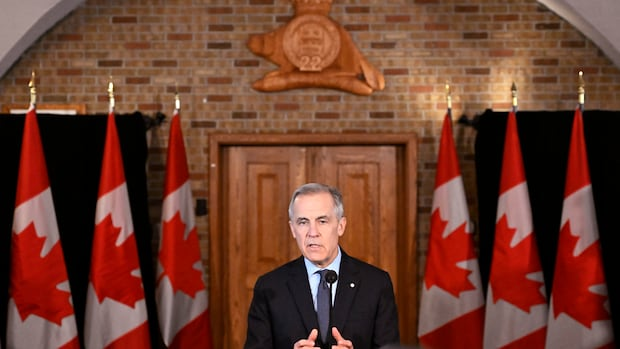
The coming discussions could determine whether the proposed tariffs are implemented as announced or adjusted through further negotiations.
For now, the announcement has placed Canadian vehicles, trucks and steel at the centre of the latest trade dispute.
Businesses and consumers will be watching for additional details concerning the proposed 50 percent duty.
The development could also influence broader discussions about tariffs and trade across North America.
As the situation develops, both countries are expected to assess their next steps.
The latest announcement underscores the continuing importance of trade relations between Washington and Ottawa.