



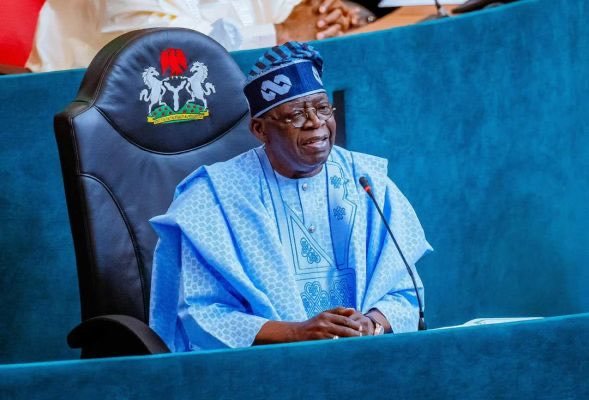
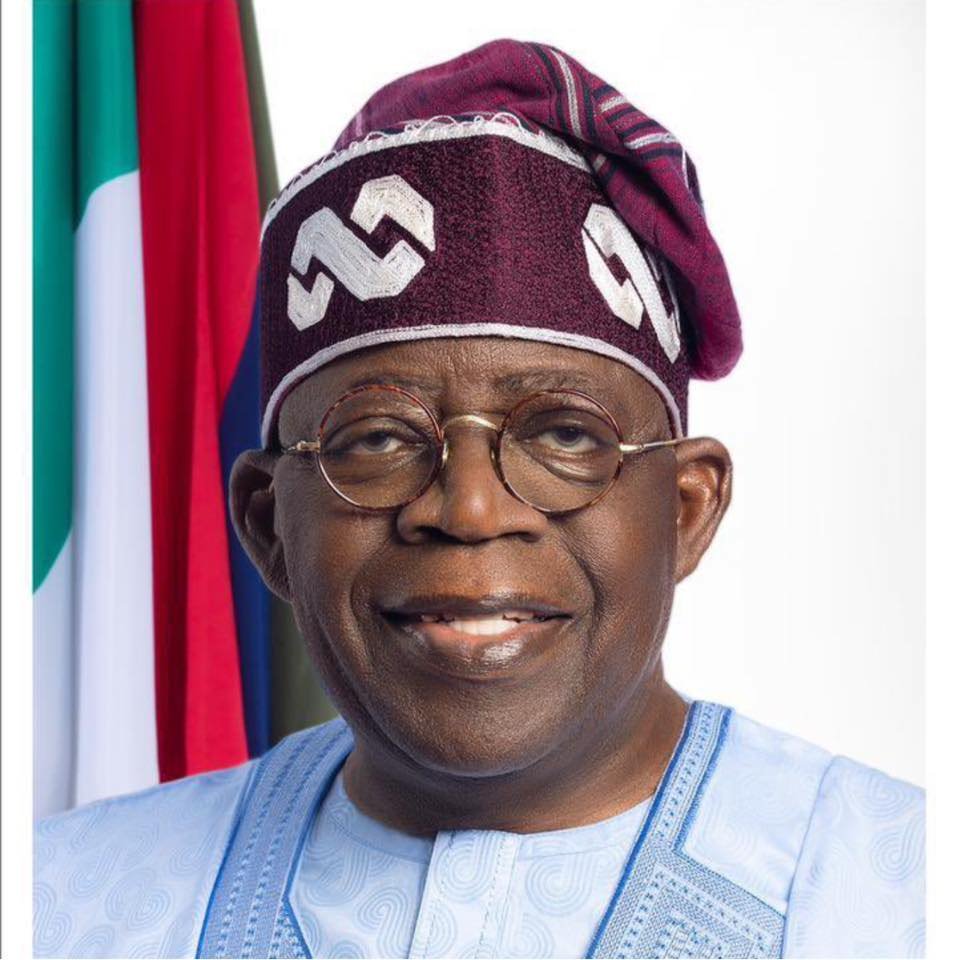
President Bola Ahmed Tinubu has announced plans by the Federal Government and state governors to reduce transportation costs across Nigeria, with cheaper fares targeted from October 1, 2026.
Eko Hot News reports Tinubu disclosed the plan after discussions with the Governors’ Forum, saying the initiative would focus on the cost benefits of Compressed Natural Gas (CNG) and electric vehicles.
The President said governors had agreed to take immediate measures to reduce transportation costs in their respective states.
He explained that the initiative would particularly target intra-state transportation, where commuters directly experience the impact of high fares.
Tinubu said the Federal and state governments would work together to ensure savings from cheaper energy sources translate into lower transportation costs for Nigerians.
The President stated that the goal is for Nigerians to begin benefiting from reduced transport fares from October 1.
He stressed that cheaper fuel should ultimately result in cheaper transportation for commuters.
According to Tinubu, CNG-powered vehicles can record significant savings compared with petrol-powered vehicles.
He said vehicles operating on CNG could spend between 60 and 80 per cent less on fuel than comparable vehicles using petrol.
The administration is therefore seeking to expand CNG adoption as part of its broader energy transition programme.
Electric vehicles are also expected to play a role in the transportation strategy being pursued by the Federal Government and state governments.
Tinubu said the Federal Government is already investing in infrastructure required to make alternative fuels more accessible across the country.
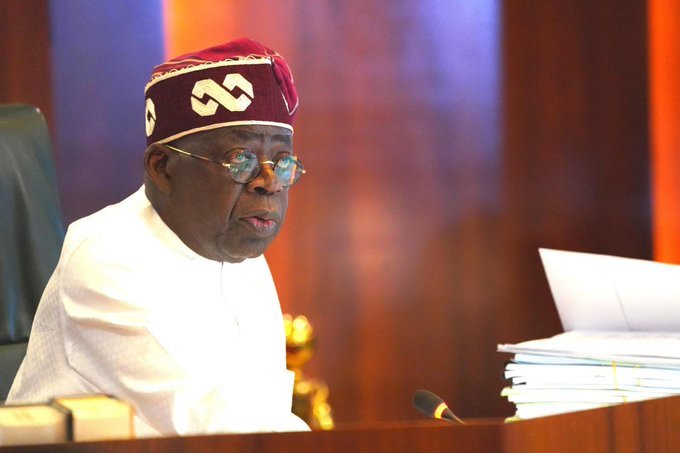
Through the Midstream and Downstream Gas Infrastructure Fund, more than 100 gas projects are currently being financed nationwide.
The projects include 15 CNG mother stations and 86 daughter stations, according to the President.
Tinubu also disclosed that four of the projects were commissioned in May across Lagos, Abuja and Owerri.
Among the projects is a 15-station CNG refuelling network in Lagos.
An Abuja facility commissioned under the programme is capable of serving up to 1,000 cars and tricycles as well as 50 trucks and buses daily.
The President said the infrastructure expansion is designed to increase access to CNG and encourage more vehicle owners and transport operators to embrace the alternative fuel.
He has now directed the rollout of another 500 CNG refuelling stations nationwide.
The additional stations will come on top of the 500 stations previously ordered by the Fund.
This brings the planned CNG refuelling station programme to 1,000 stations across Nigeria.
The expansion is expected to support transport operators who may otherwise face challenges accessing CNG.
Greater availability of refuelling facilities could also encourage more vehicle conversions and increase competition among fuel options.
Tinubu said the benefits would be particularly important in intra-state transportation because state governments have significant responsibility for that area.
He expressed confidence that governors would take the necessary steps to bring the expected savings closer to commuters.
The President said the Federal and state governments had agreed to establish a joint committee to begin implementing measures aimed at reducing transportation costs immediately.
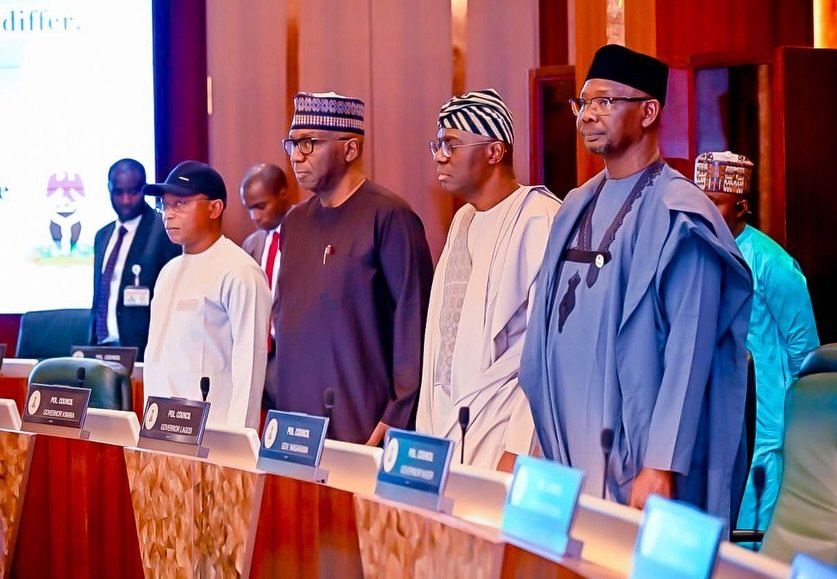
The committee is expected to coordinate efforts between the two levels of government and support the rollout of measures designed to ease transport expenses.
The announcement forms part of Tinubu’s broader economic reform agenda, which has included efforts to shift the country toward alternative energy sources.
The administration has consistently promoted CNG as a cheaper transportation fuel following the removal of petrol subsidy.
The government has also linked the CNG programme to its wider efforts to reduce the pressure of transportation costs on households and businesses.
For many Nigerians, transportation remains a major component of daily living expenses.
Higher fares have affected workers, students, traders and other commuters who depend heavily on road transportation.
The proposed measures are therefore aimed at ensuring that savings from alternative fuels are reflected at the level of the commuter.
However, the October 1 date is currently a government target rather than a uniform nationwide fare cut with a specified percentage.
Actual fares may depend on how individual states and transport operators implement the measures.
The success of the programme will also depend on the availability of CNG infrastructure, vehicle conversions and effective coordination between federal and state authorities.
Tinubu has urged every level of government to play its part in ensuring that the benefits of cheaper energy reach Nigerians.
The President said the objective is to translate the gains of the energy transition into practical economic relief.
The planned expansion of CNG stations is expected to strengthen the infrastructure needed to support that objective.
With the target date approaching, attention will now turn to the states and transport operators to see how quickly the measures are implemented.
The Federal Government’s expectation is that increased use of CNG and electric vehicles will help reduce operating costs and create room for lower transport fares.
For commuters, the key test will be whether the expected fuel savings eventually translate into noticeable reductions in daily transportation expenses.
The October 1 target therefore represents an important test of the government’s effort to connect its energy and economic reforms with direct relief for Nigerians.