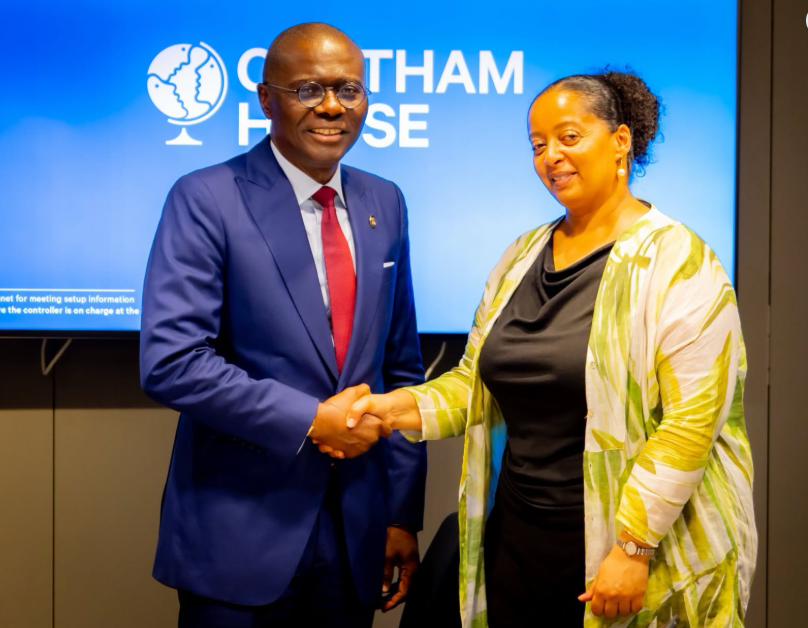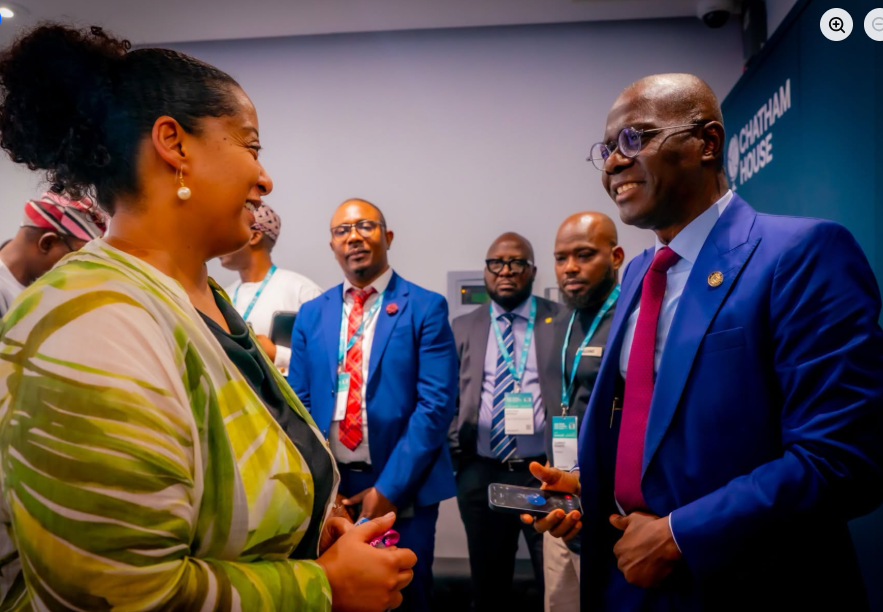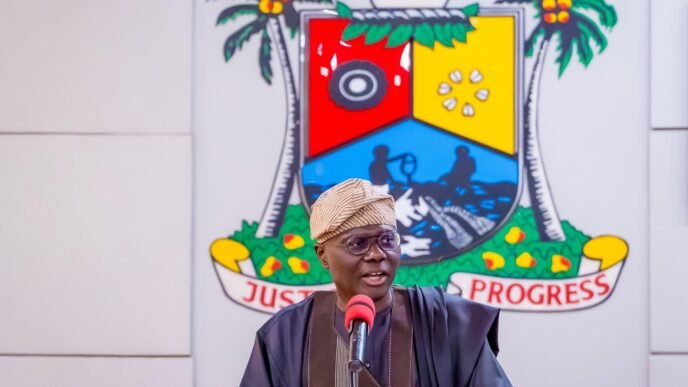




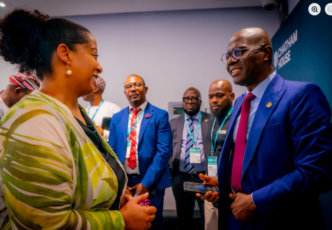
Lagos State Governor Babajide Sanwo-Olu has held a strategic meeting with Tighisti Amare, Director of the Africa Programme at Chatham House, London, to discuss Nigeria’s development and Africa’s future prospects.
Eko Hot News reports that the engagement focused on key economic, social, and political issues shaping Nigeria, with discussions highlighting Lagos State’s role in driving national growth and development.
Governor Sanwo-Olu shared insights into the country’s current socio-economic realities and outlined ongoing efforts aimed at strengthening governance, economic stability, and sustainable development.
The governor also referenced the recent election in Ekiti State, describing the process as peaceful and credible while emphasizing the importance of democratic institutions in national development.
During the discussion, Sanwo-Olu stressed the need for greater global appreciation of Africa’s achievements, noting that the continent’s story extends beyond challenges and includes significant progress and opportunities.
He encouraged international stakeholders and development partners to adopt a more balanced perspective on Africa by recognizing the innovation, resilience, and successes emerging across different countries.
The meeting also explored ways of strengthening conversations around governance, economic transformation, and social development within the African context.
Sanwo-Olu highlighted Lagos State’s position as a leading economic hub and a model for innovation, investment, and public sector reforms in Nigeria.
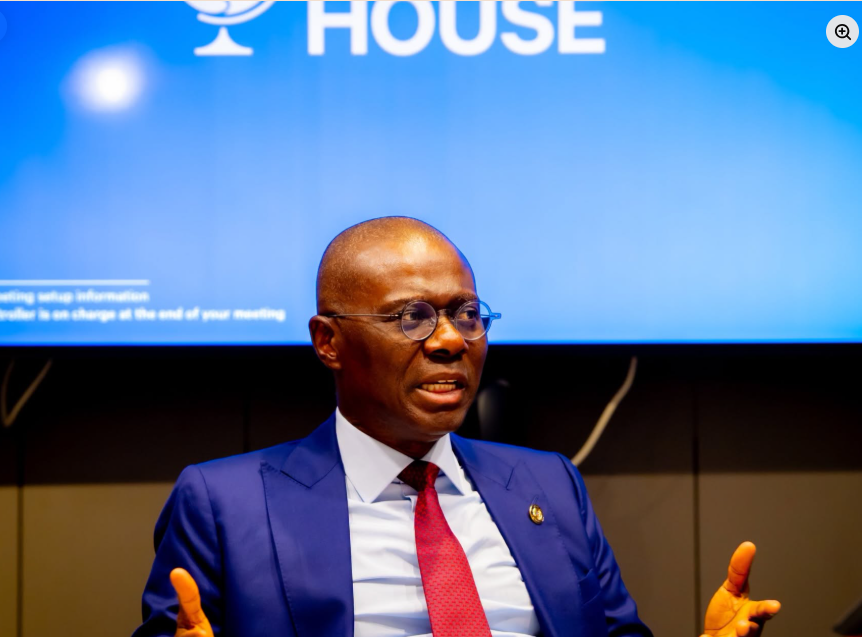
He noted that collaboration between governments, policy institutions, and research organizations remains vital for addressing development challenges and unlocking new opportunities.
The governor reaffirmed his administration’s commitment to policies that support inclusive growth, improve livelihoods, and attract sustainable investments into Lagos State.
The engagement forms part of Lagos State’s broader efforts to build strategic international partnerships and contribute meaningfully to discussions on Africa’s development trajectory.
Observers noted that such high-level engagements provide valuable opportunities for knowledge exchange and help strengthen understanding of the continent’s evolving economic and political landscape.
As global interest in Africa continues to grow, leaders are increasingly emphasizing the need to project positive narratives that reflect the continent’s progress, potential, and contribution to global development.
The meeting concluded with a shared commitment to promoting informed dialogue, collaboration, and innovative solutions that support sustainable growth across Africa.