



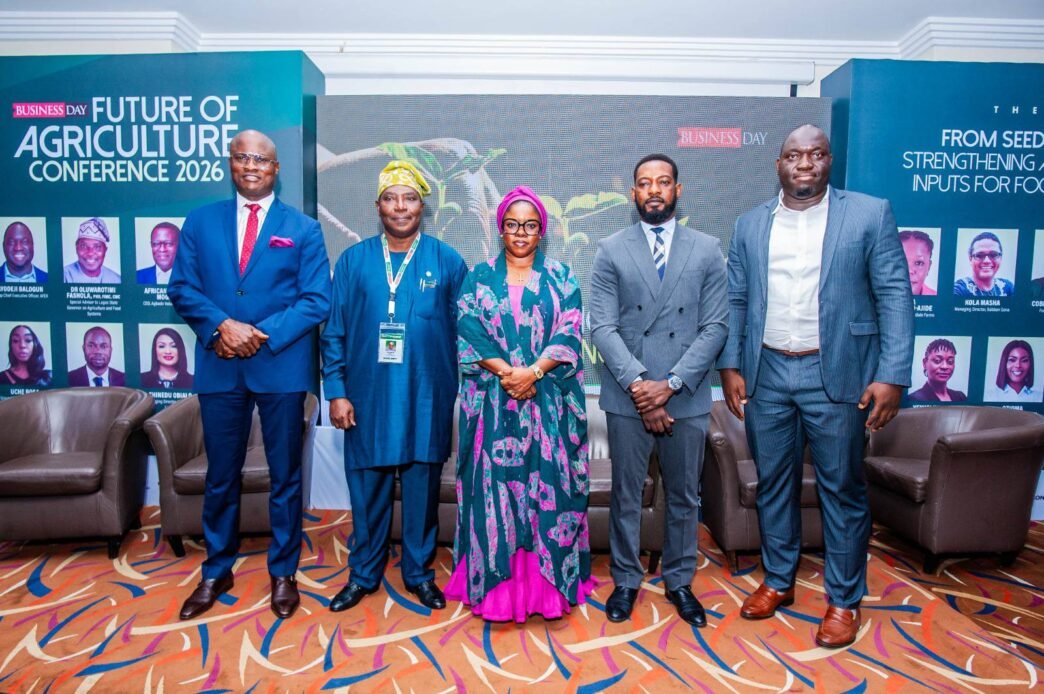
Lagos State Governor Babajide Olusola Sanwo-Olu has called for a comprehensive transformation of Nigeria’s agricultural ecosystem, stressing that food security depends on strengthening every stage from production to consumption.
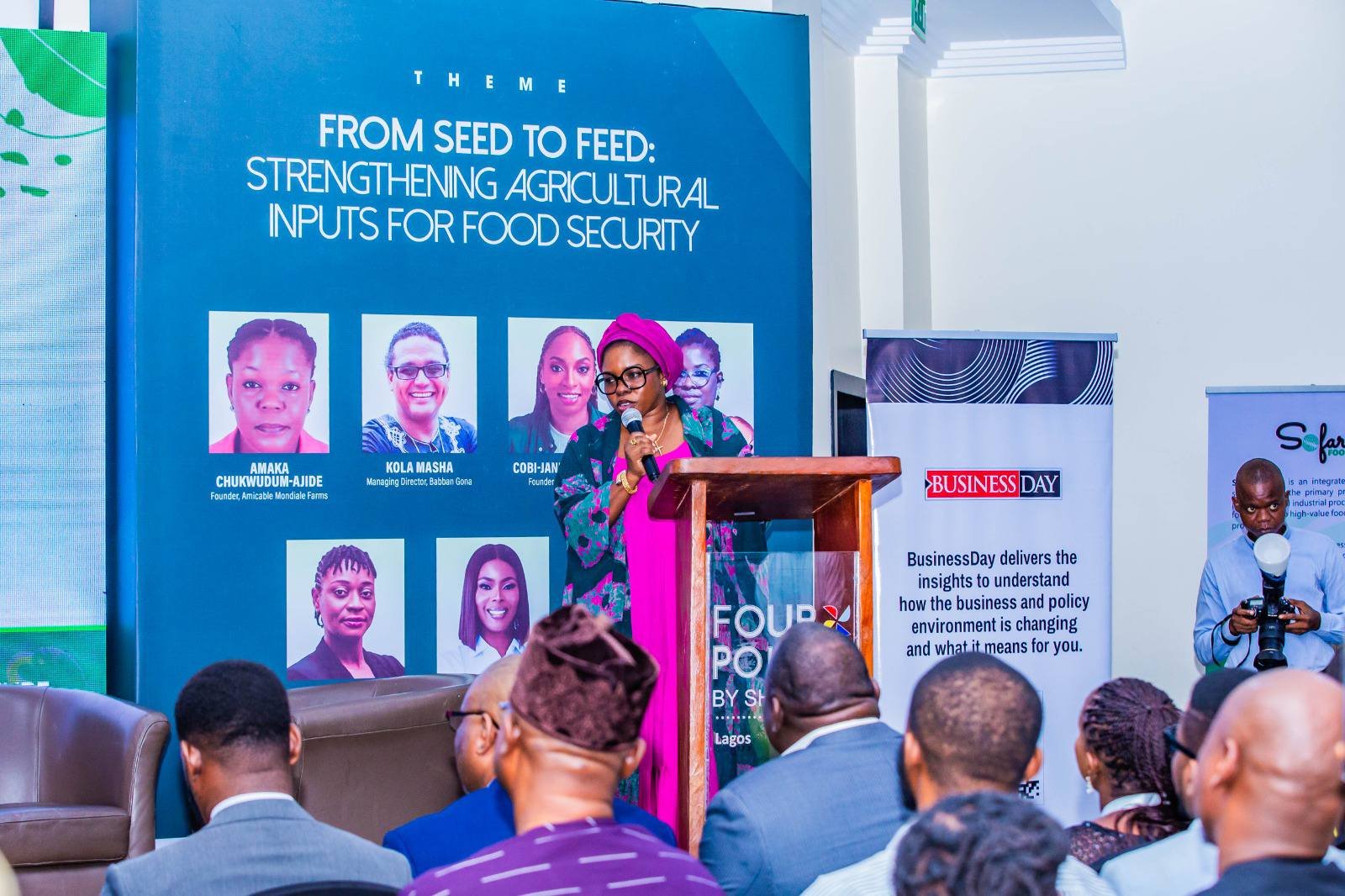
Eko Hot News reports that the governor made this known while delivering a keynote address at the Future of Agriculture Conference organised by BusinessDay Newspaper in Lagos.
The conference, held at Four Points by Sheraton Lagos, brought together stakeholders to discuss strategies for improving food systems and addressing rising demand across the country.
Governor Sanwo-Olu described the event as a platform for meaningful direction, noting that conversations around agriculture are critical at a time when food prices continue to rise.
Represented by the Commissioner for Agriculture and Food Systems, Abisola Olusanya, the governor explained that Lagos remains a major consumer of food despite not being a leading producer.
He stressed that the state’s dependence on national agricultural output makes it essential to strengthen the entire value chain across Nigeria.

Highlighting key priorities, the governor identified innovation as a major driver of agricultural transformation. He encouraged the adoption of modern technologies such as precision farming and digital marketplaces.
He also emphasised the importance of partnerships, noting that government efforts must be supported by private investors, development partners, and financial institutions.
According to him, collaboration is necessary to build a resilient and sustainable food system that can meet growing demand.
Addressing post-harvest challenges, the governor pointed to the need for improved storage, processing, and transportation systems. He noted that these elements are just as important as production itself.

He explained that reducing losses after harvest would significantly improve food availability and affordability across the country.
Governor Sanwo-Olu also called for increased support for smallholder farmers. He urged stakeholders to provide access to quality inputs, financing, and reliable markets.
He highlighted the importance of climate-smart agriculture in ensuring long-term sustainability. According to him, adapting to environmental changes is essential for consistent food production.
The governor encouraged participants to leave the conference with clear and actionable commitments. He noted that achieving food security requires coordination and sustained effort.

He added that improving agriculture would have a positive impact on other sectors, including economic growth and social stability.
Participants at the conference engaged in discussions focused on strengthening the agricultural value chain and improving national food systems.
The event reinforced the need for continuous dialogue and collaboration among stakeholders in shaping the future of agriculture in Nigeria.
The conference concluded with renewed optimism about the role of innovation and partnerships in transforming the agricultural sector.