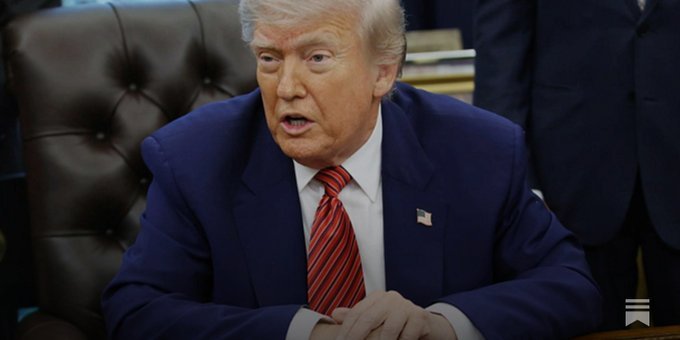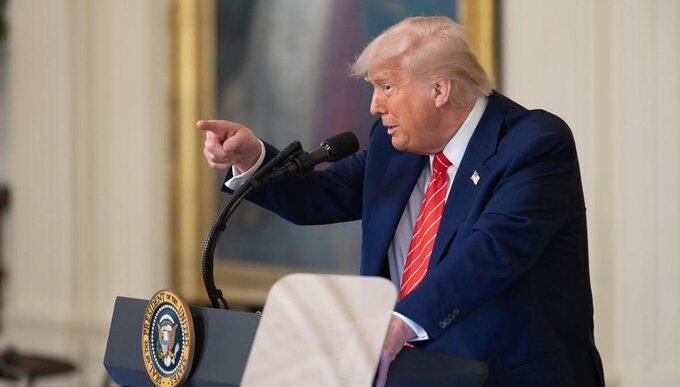





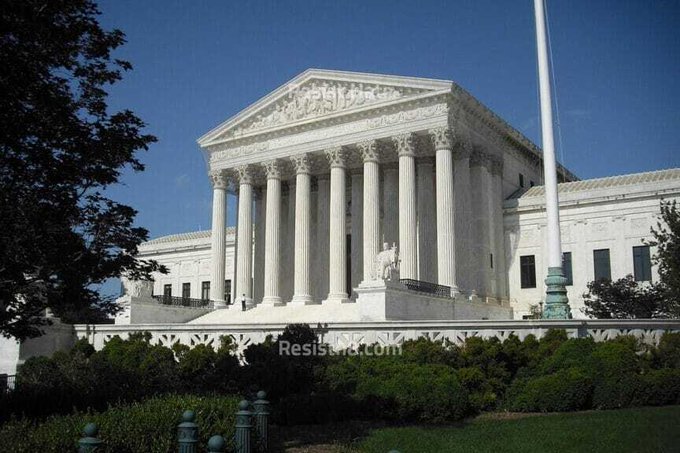
A 36-year-old man from Florida has been sentenced to two years in federal prison after pleading guilty to making repeated online threats directed at United States President Donald Trump and other federal officials.
Eko Hot News reports that the sentence followed the defendant’s guilty plea in a federal court, where he admitted responsibility for posting threatening messages through online platforms.
According to U.S. authorities, the case was investigated after law enforcement agencies identified a series of online communications targeting the president and other public officials.
Officials said the messages were taken seriously because they involved threats directed at individuals serving in public office.
Federal prosecutors noted that investigations into online threats are conducted to protect public officials and maintain public safety.
Authorities explained that digital communications capable of creating security concerns are subject to federal criminal laws in the United States.
Court documents showed that the defendant accepted responsibility for the offences during legal proceedings before sentencing.
The court subsequently imposed a two-year federal prison sentence after considering the facts presented in the case.
Legal experts say the ruling reflects the U.S. justice system’s approach to addressing unlawful online conduct involving public officials.
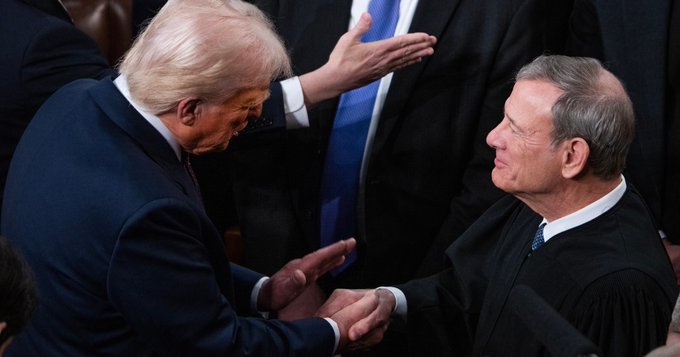
They noted that while freedom of expression is protected, communications containing criminal threats may result in prosecution under federal law.
The investigation involved cooperation between federal law enforcement agencies responsible for protecting senior government officials.
Authorities used digital evidence and investigative tools to trace the online activity connected to the defendant.
Officials have not indicated that the threats resulted in any physical incident involving the targeted individuals.
They, however, stressed that every reported threat is carefully assessed to determine the level of risk and the appropriate legal response.
Security agencies continue to encourage members of the public to use digital platforms responsibly and avoid communications that violate the law.
They also advise internet users to remain aware that online activities can be traced and investigated when criminal offences are suspected.
Cybersecurity specialists say the increasing use of social media has expanded opportunities for communication but has also created new challenges for law enforcement.
As a result, authorities across several countries have strengthened efforts to monitor and investigate online activities that may threaten public safety.
Legal analysts observed that courts continue to distinguish between protected opinions and statements that amount to criminal conduct.
They added that each case is determined based on available evidence, applicable laws and judicial procedures.
The sentencing also highlights the importance of responsible online behaviour in an increasingly connected digital environment.
Public officials, institutions and technology companies have continued to promote respectful engagement across online platforms.
Experts believe public awareness and digital education remain important in reducing harmful online behaviour and encouraging constructive communication.
The case serves as another reminder that online actions can have legal consequences when they violate established laws.
Authorities reaffirmed their commitment to investigating credible threats while ensuring that legal processes are followed throughout every stage of prosecution.
Observers say the outcome reflects continued efforts by U.S. law enforcement agencies to protect public institutions and uphold the rule of law.
The case has also renewed discussions about online responsibility, cybersecurity and the balance between free expression and public safety in the digital age.
As technology continues to shape public communication, legal experts encourage internet users to engage responsibly and remain mindful of laws governing online conduct.