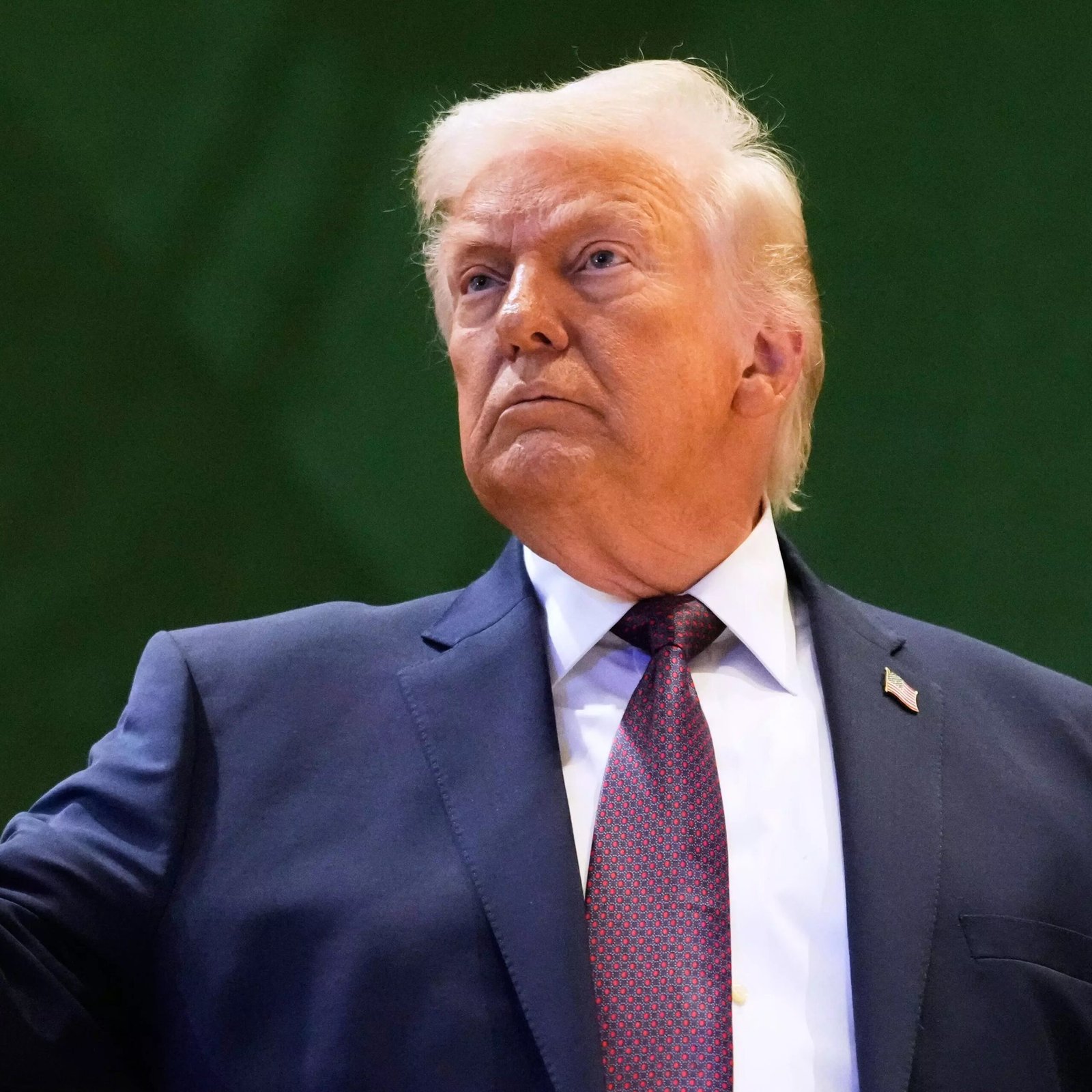




A U.S. federal appeals court has declined to allow President Donald Trump’s administration to enforce an executive order that would tighten mail-in voting rules across 23 states ahead of the November congressional elections.
Eko Hot News reports that the ruling represents the latest legal development in the ongoing debate over election procedures in the United States. The decision means the administration cannot implement the order in the affected states while legal proceedings continue.
According to Newsmax, the executive order sought to introduce stricter standards for mail-in voting, a method widely used by eligible voters during federal and state elections. The administration argued that the proposed measures were designed to strengthen election integrity and improve confidence in the voting process.
The appeals court, however, declined the administration’s request to immediately enforce the order. The judges indicated that the legal issues surrounding the directive should continue through the normal judicial process before any nationwide implementation.
The ruling applies to 23 states that challenged the executive order, arguing that election administration is primarily the responsibility of individual states under the U.S. Constitution and existing federal election laws.
Legal experts say the decision does not determine the final outcome of the case. Instead, it temporarily preserves the current voting procedures in those states until the courts reach a final judgment on the matter.
The Trump administration has consistently maintained that stronger election safeguards are necessary to improve public trust in the electoral process. Officials have repeatedly stated that updated voting procedures help ensure that elections remain secure, transparent and credible.
Supporters of the executive order argue that additional verification measures would strengthen confidence in mail-in voting while maintaining fairness for all eligible voters. They believe uniform standards could improve consistency across different states.
Opponents, however, contend that individual states already have established election systems that comply with federal law. They argue that significant changes should be made through legislation or established legal processes rather than executive action.
Election law has remained one of the most debated issues in American politics over the past several years. Questions surrounding voter registration, mail-in ballots, voter identification and election administration continue to generate public discussion.
Political analysts say court rulings on election-related policies often have significant implications because they shape how future elections are conducted while clarifying the balance of authority between federal and state governments.
The November elections are expected to determine control of the U.S. Congress, making election procedures an important topic for political parties, candidates and voters across the country.
Mail-in voting remains a legal option in many U.S. states, although the rules governing absentee ballots, ballot verification and submission deadlines vary depending on state law.
Election officials continue to encourage eligible voters to follow the specific voting guidelines issued by their respective states to ensure their ballots are counted in accordance with applicable regulations.
Legal scholars note that the U.S. court system frequently reviews disputes involving election laws, especially when constitutional questions arise regarding federal and state authority.
The latest appeals court decision is expected to keep the legal debate active in the coming months. The administration may pursue additional legal options as the case moves through the judicial system.
Observers say both supporters and critics of the executive order will closely monitor future court proceedings, particularly as preparations continue for the November congressional elections.
Despite the legal challenge, election officials across the United States continue preparations for the upcoming polls, working to ensure voters have access to accurate information about registration, voting methods and election deadlines.
Political commentators believe the outcome of the case could influence future discussions on election reform and voting procedures beyond this election cycle.
For now, the appeals court ruling means existing mail-in voting rules will remain in place across the 23 states involved in the lawsuit until further judicial decisions are made.
The case underscores the continuing role of the courts in interpreting election laws and balancing federal authority with the constitutional responsibilities of individual states.