



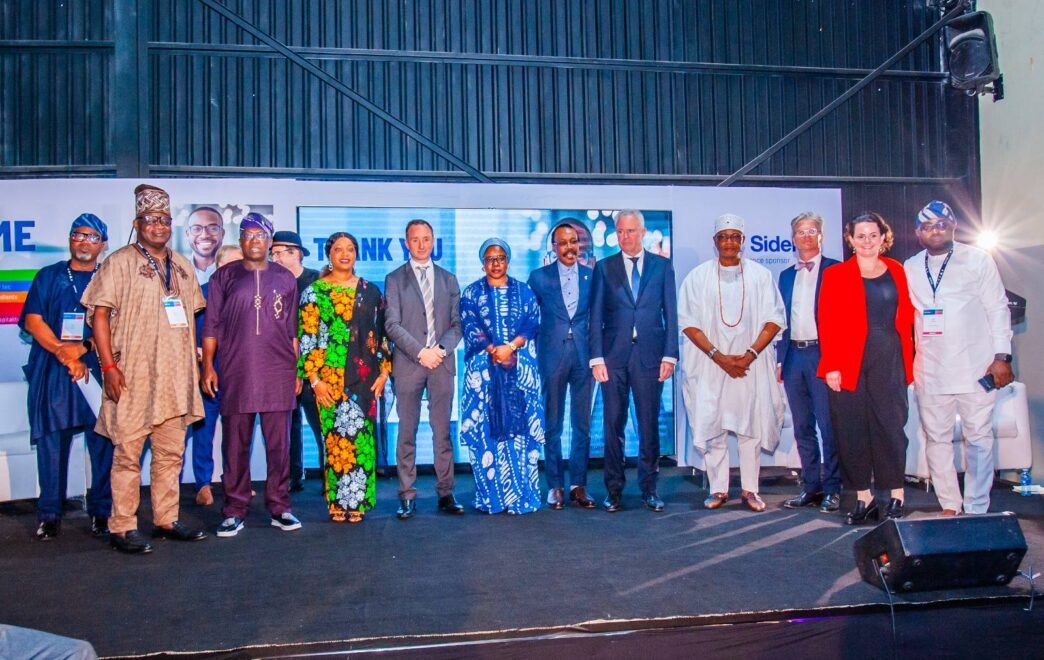
Lagos State Governor Babajide Olusola Sanwo-Olu has called for stronger global partnerships to scale food security systems and transform Nigeria’s agricultural value chain.
Eko Hot News reports that the governor made this call while addressing stakeholders at the 11th Agrofood Nigeria Exhibition & Conference held at the Landmark Event Centre.
The international event brought together agribusiness leaders, investors, and technology providers to explore solutions for improving food systems and boosting agricultural productivity.
Governor Sanwo-Olu noted that Nigeria has the capacity to become a global food powerhouse. However, he expressed concern over significant losses caused by weak post-harvest systems.
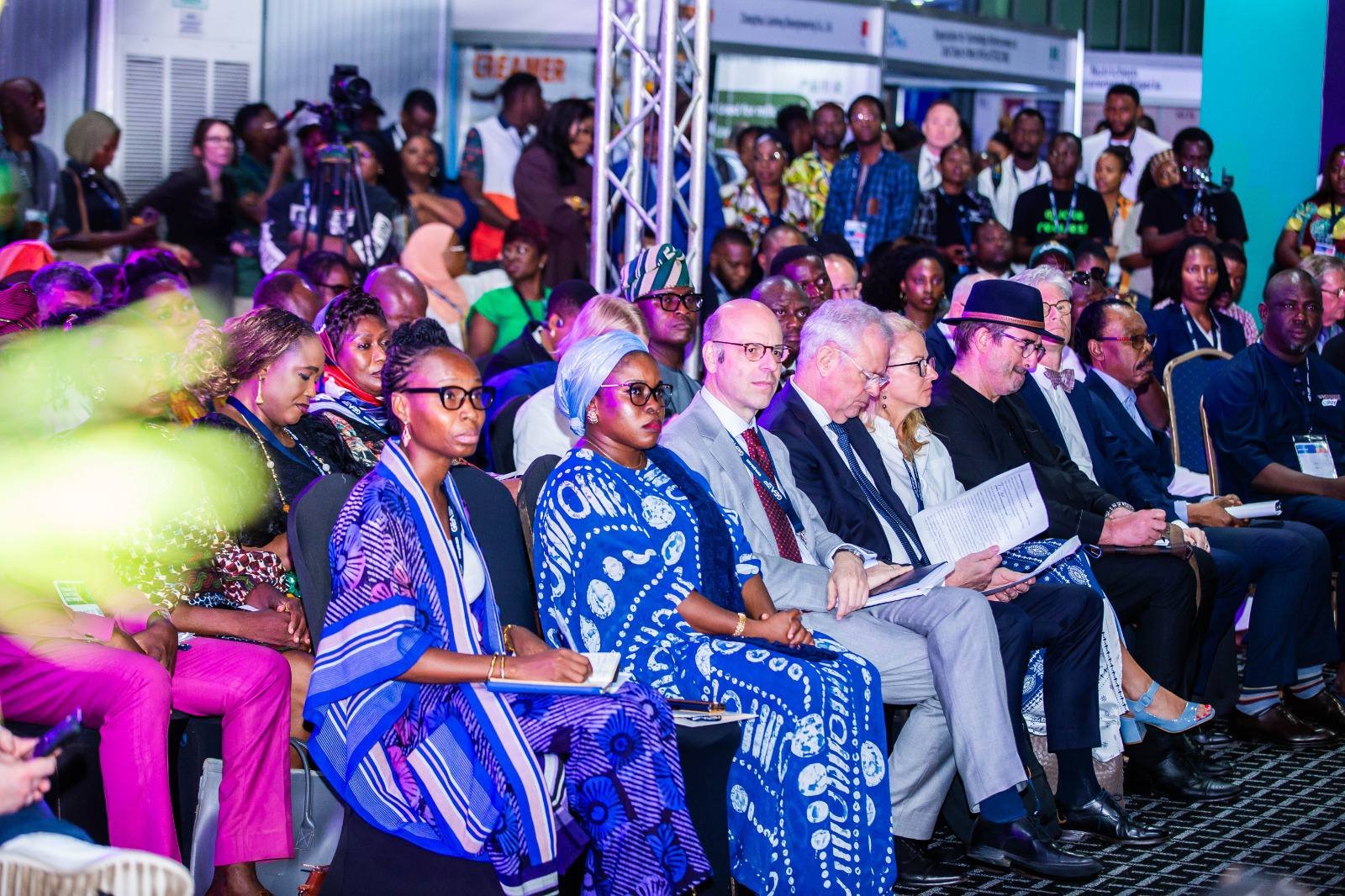
He revealed that the country loses between ₦3.5 trillion and ₦5 trillion worth of food annually. According to him, poor storage and logistics infrastructure remain key challenges affecting food supply.
Represented by the Commissioner for Agriculture and Food Systems, Abisola Olusanya, the governor highlighted Lagos’ position as Africa’s largest food consumption market.
He stated that Lagos’ food economy has grown significantly, rising from ₦6.5 trillion in 2019 to over ₦16 trillion in 2026. This growth, he said, reflects the state’s expanding demand and investment potential.
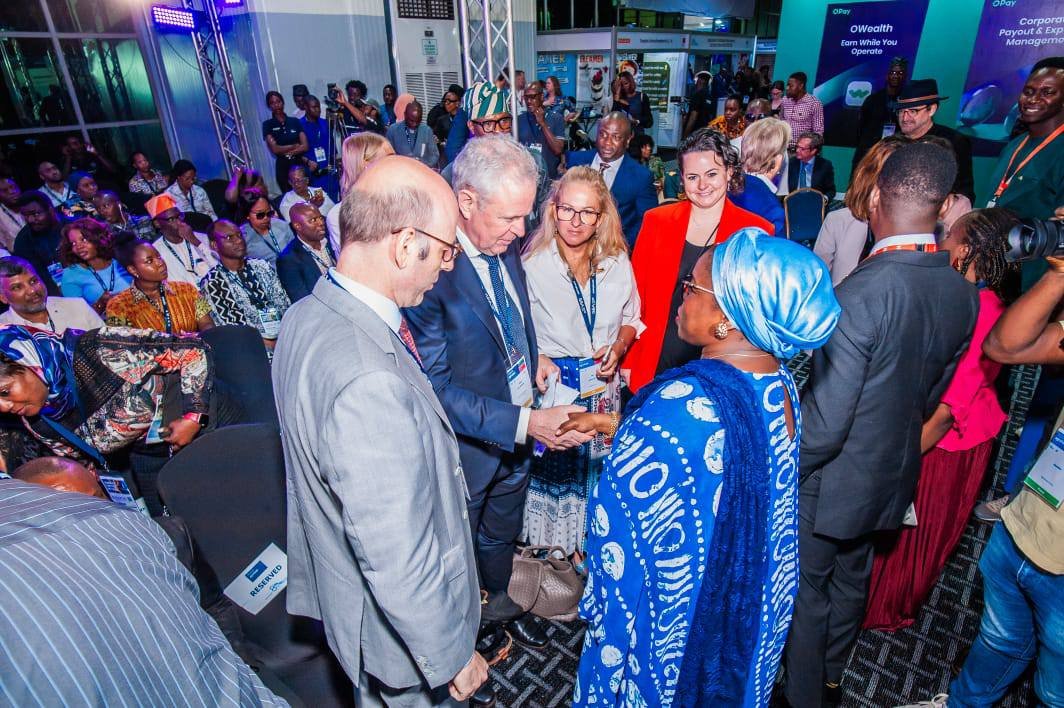
The governor described Lagos as a leading destination for agro-processing, packaging, and food technology investments. He emphasised the need to harness these opportunities for sustainable growth.
To address existing gaps, he outlined major initiatives, including the Lagos Central Food Security and Logistics Hub in Epe. He described the project as one of Africa’s most ambitious food logistics developments.
He added that the hub will be supported by agro-produce centres and last-mile delivery systems. These initiatives aim to improve distribution, reduce waste, and stabilise food prices.
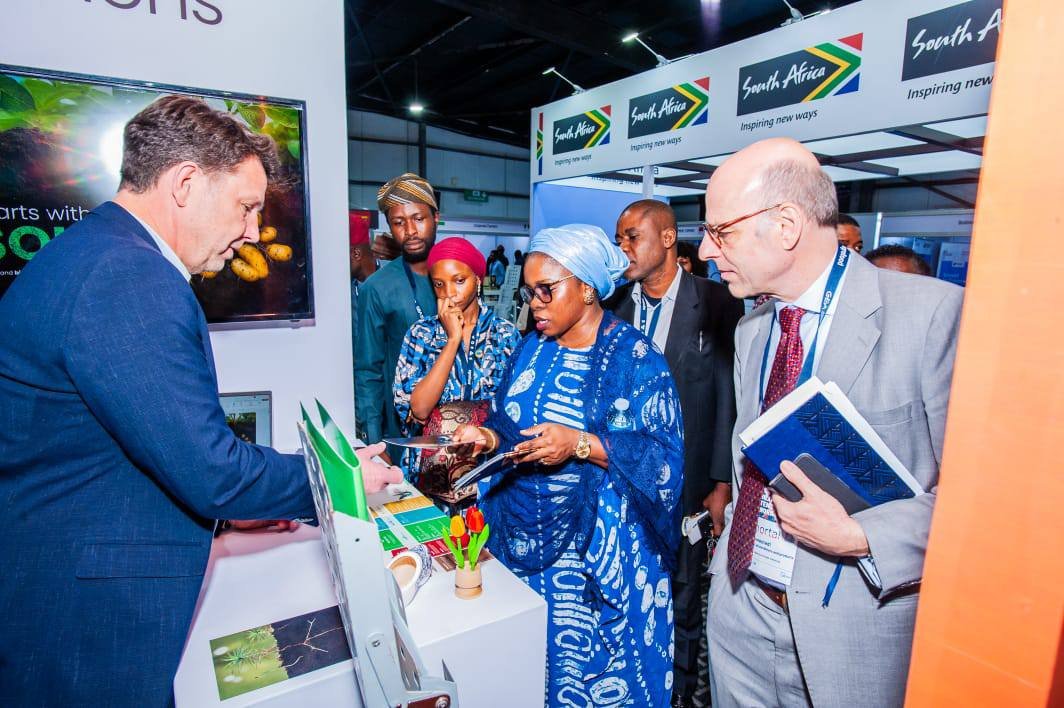
Governor Sanwo-Olu also highlighted the ₦500 billion Offtake Guarantee Fund as a strategic tool to support farmers. He explained that the fund will encourage financing and connect producers to reliable markets.
He stressed that Lagos is shifting from temporary solutions to long-term system reforms. According to him, the focus is on building sustainable structures that enhance efficiency across the value chain.
The governor further noted that investments are being made in cold chain logistics, processing equipment, and youth agribusiness development. These efforts are designed to ensure value addition and reduce losses.
He called on global partners, investors, and development agencies to collaborate with Lagos. He emphasised the need for practical, scalable solutions that can drive real transformation.
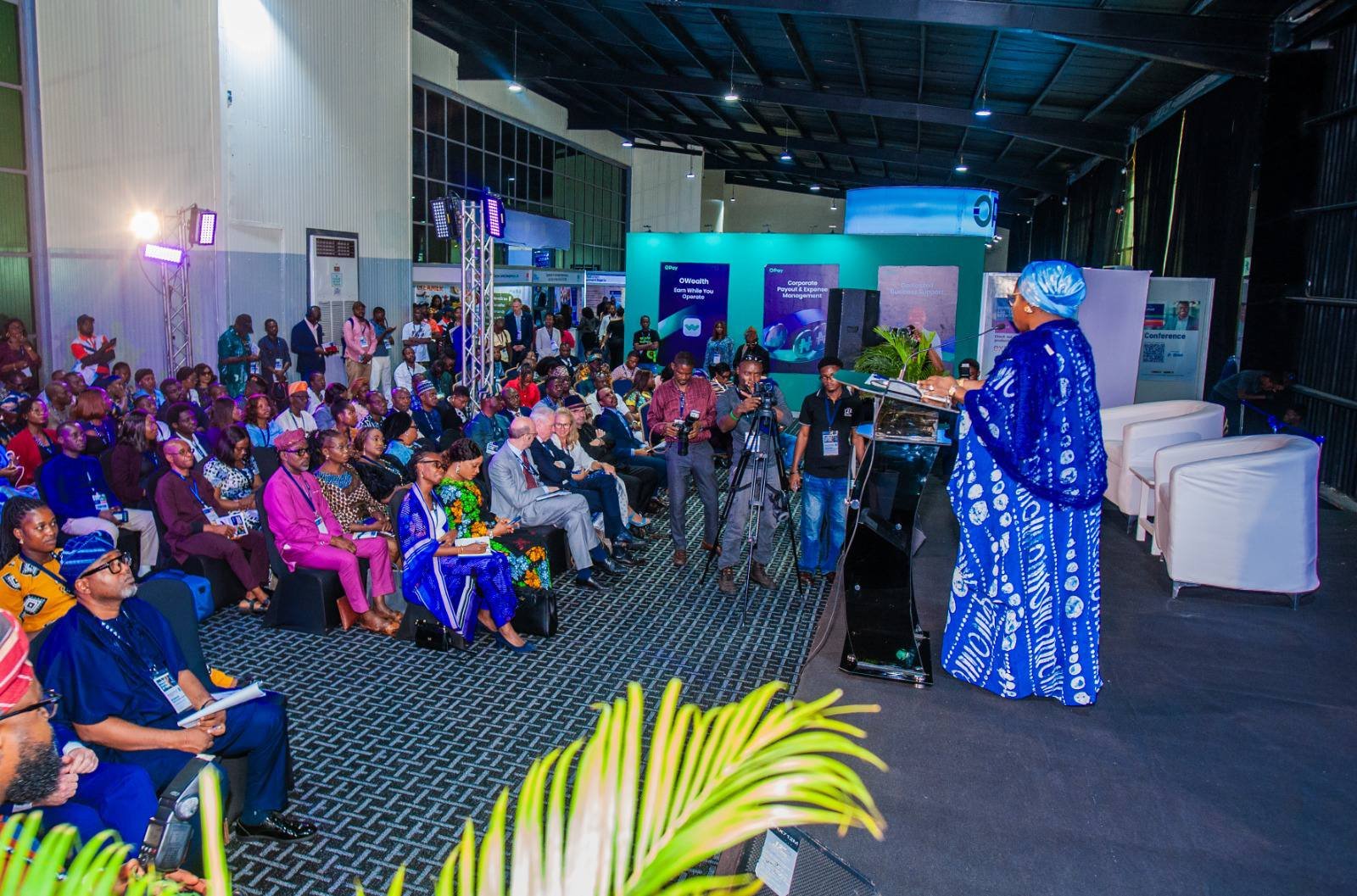
According to him, effective food systems depend on reliable infrastructure, efficient logistics, and strong processing capacity. He urged stakeholders to focus on delivering measurable impact.
Governor Sanwo-Olu reaffirmed Lagos State’s commitment to reducing waste, creating jobs, and improving food access. He added that strategic partnerships will help position Nigeria on the global food map.
The conference concluded with renewed calls for collaboration and innovation in building a resilient and efficient agricultural sector.