






The FG scrap Common Entrance plan has sparked nationwide attention as the Federal Government moves to overhaul Nigeria’s basic education system with a new student tracking framework.
Eko Hot News reports that the Minister of Education, Tunji Alausa, announced the proposed reform during an interactive session with journalists in Lagos, revealing that the Junior Secondary School Common Entrance Examination will be phased out.
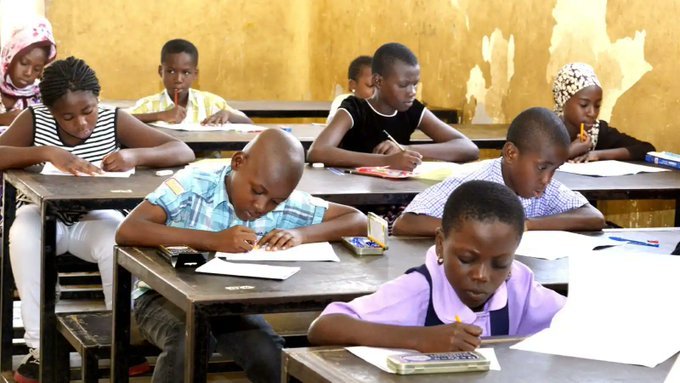
According to the minister, the government plans to replace the examination with a Continuous Assessment (CA) system that will reflect pupils’ academic performance throughout their primary school education.
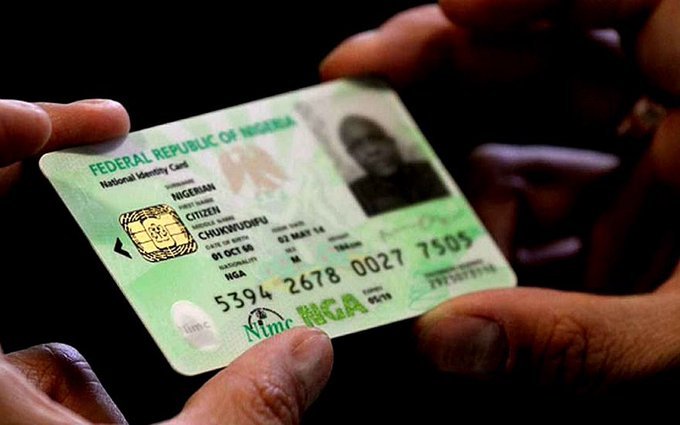
A key component of the reform is the introduction of a Learner Identification Number (LIN), a unique digital identity that will follow each student from primary school through their academic journey.
Alausa explained that the identification system will allow seamless tracking of students, even when they transfer between schools, ensuring continuity in academic records and proper evaluation.
The reform is aimed at addressing critical gaps in Nigeria’s education system, particularly the alarming number of pupils who fail to transition from primary to junior secondary school.
Providing data, the minister revealed that Nigeria has over 50,000 public primary schools with more than 23 million pupils, yet only slightly above 3 million proceed to junior secondary education within the public system.
He raised concerns over the millions of children unaccounted for in the transition process, describing the situation as a major access and retention challenge that requires urgent intervention.
“If a child is expected to be in a certain class and is not there, we will be able to identify and investigate the reason,” he stated.
In addition, the Federal Government is considering reviving and strengthening the school feeding programme as part of efforts to boost enrolment, improve retention, and support vulnerable pupils.
Education stakeholders believe the proposed reforms could significantly improve monitoring, reduce dropout rates, and enhance overall accountability within the system.
However, analysts note that successful implementation will depend on adequate infrastructure, data management systems, and collaboration with state governments.
The initiative forms part of broader efforts by the Federal Government to strengthen Nigeria’s education sector, improve learning outcomes, and ensure that more children complete basic education.