



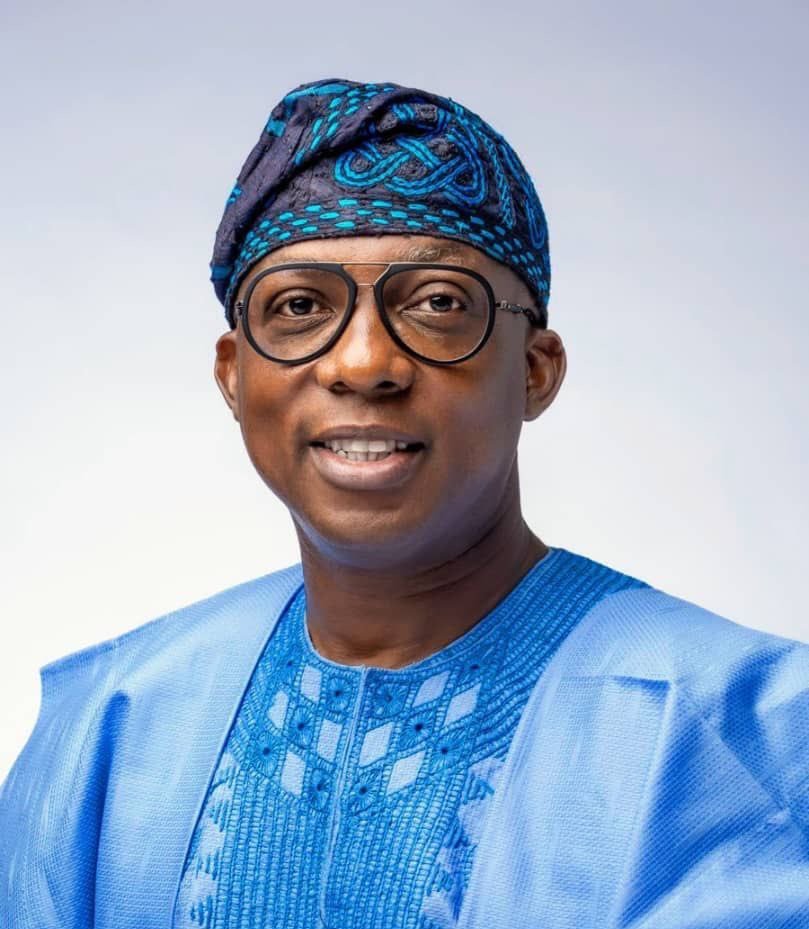
The Lagos State Government has reaffirmed that the reintroduction of the Lagos monthly environmental sanitation will help entrench a culture of cleanliness among residents.
Eko Hot News reports that the Commissioner for Environment and Water Resources, Tokunbo Wahab, made this known while speaking on TVC’s breakfast programme Your View, stressing that decisive action is necessary when environmental challenges become critical.
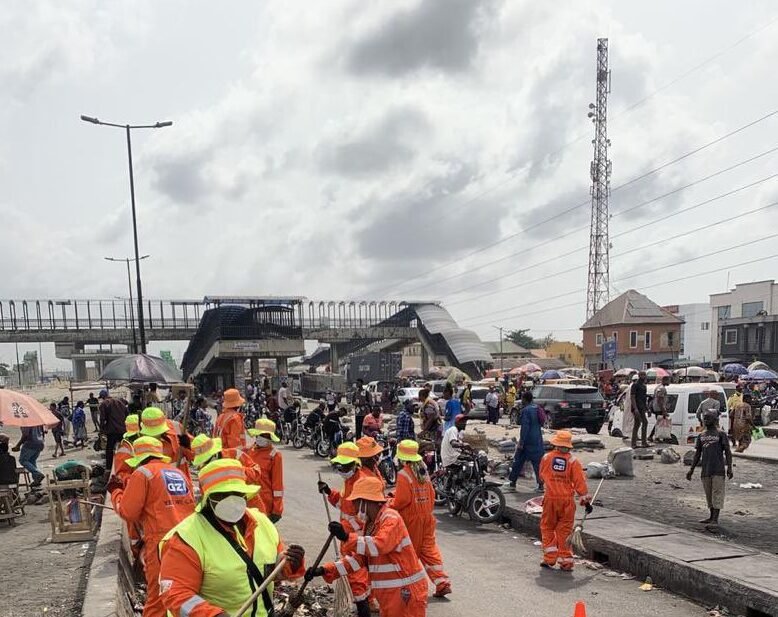
Wahab explained that the Lagos monthly environmental sanitation exercise is designed to revive the culture of regular cleaning of surroundings and drainage systems, a practice that was widely observed in the state over a decade ago.
According to him, the exercise will officially commence on April 25 and will hold on the last Saturday of every month between 6:30 am and 8:30 am.
He further disclosed that the sanitation programme was previously halted following a legal challenge by a Senior Advocate of Nigeria, who questioned the legal framework backing movement restrictions during the exercise.
However, Wahab noted that the state government secured a favourable ruling at the Court of Appeal, which affirmed the legality of the laws guiding environmental sanitation enforcement.
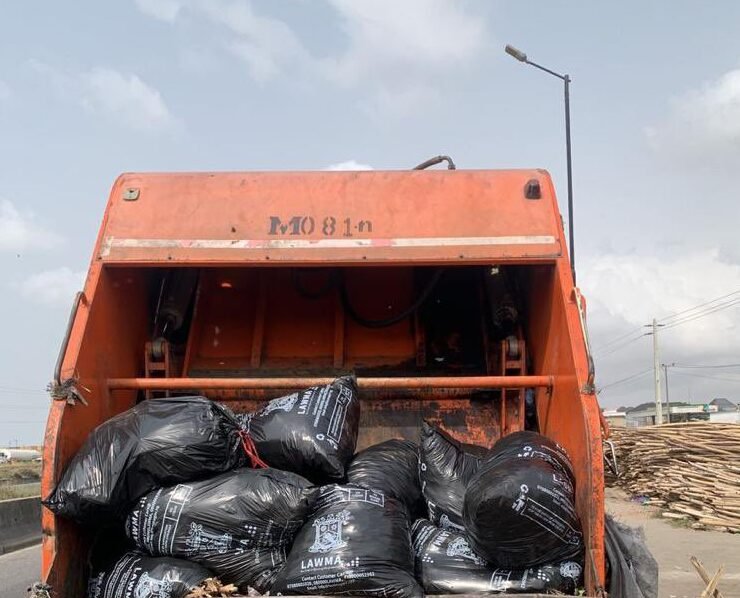
The Commissioner lamented that over time, residents have neglected proper sanitation practices, leading to widespread environmental degradation.
He stressed that Lagos, with an estimated population of over 22 million people, cannot sustain poor environmental habits, hence the need to reintroduce the Lagos monthly environmental sanitation initiative.
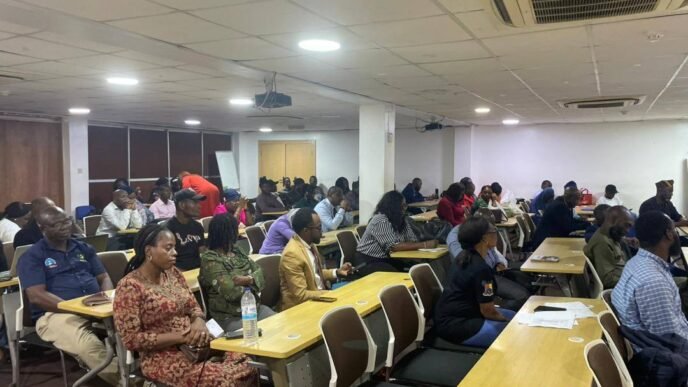
Wahab added that the government plans to engage key stakeholders, including Local Government and Local Council Development Area executives, Community Development Associations (CDAs), Community Development Committees (CDCs), market leaders, and the National Union of Road Transport Workers, to ensure widespread participation.
Describing the environment as a shared heritage, he emphasised that residents must take collective responsibility for maintaining cleanliness.
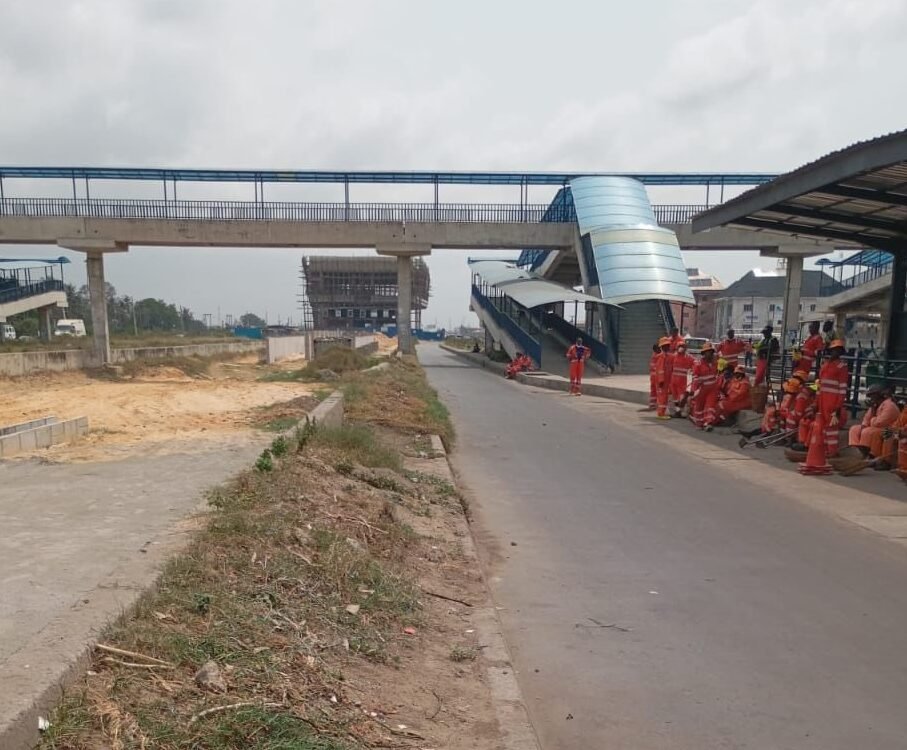
The Commissioner also highlighted several ongoing environmental interventions by the state government, including flood control measures through improved drainage infrastructure, as well as the ban on Styrofoam and single-use plastics.
He revealed that Lagos State has also invested in waste-to-wealth and waste-to-energy initiatives to reduce pressure on landfill sites.
According to him, the Olusosun dumpsite is currently being decommissioned, while new landfill sites have been established in Erekiti, Badagry, and Oke-Oso in the Epe axis.
Wahab urged residents to adopt proper waste management practices, describing waste as a valuable resource that can be recycled for economic benefits.