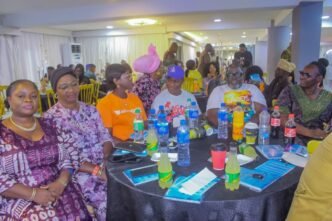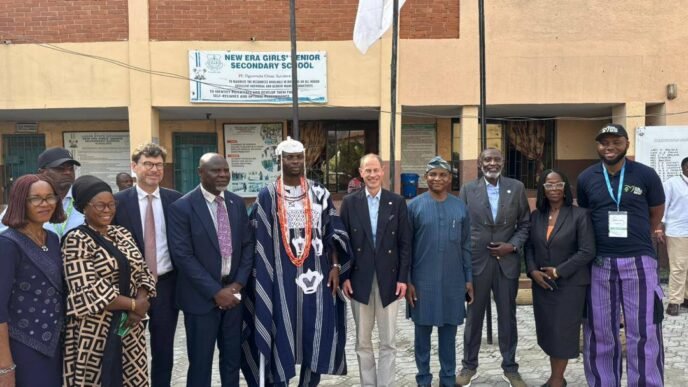




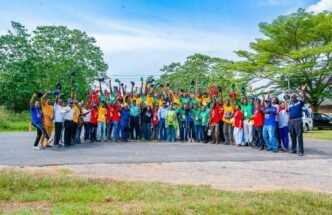
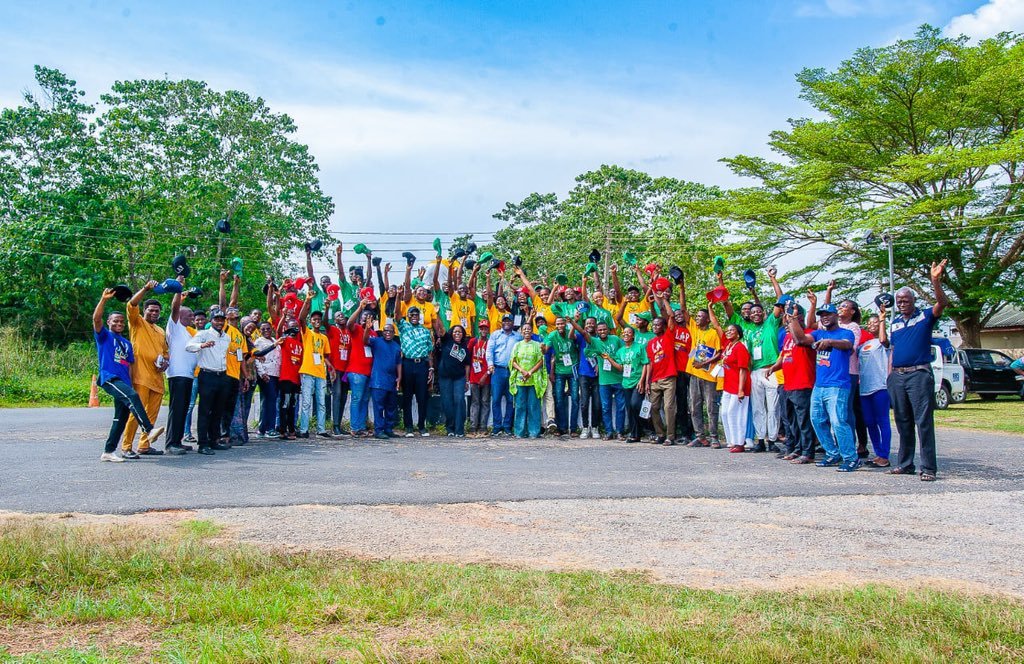
The Lagos State Government has reaffirmed its commitment to empowering young agripreneurs as the Commissioner for Agriculture & Food Systems, Ms Abisola Olusanya, and the Permanent Secretary, Mr Emmanuel Audu, visited participants of the 25th cohort of the Lagos Agripreneurship Programme (LAP 25) at the Lagos State Agricultural Training and Entrepreneurial Centre, Epe.
Eko Hot News reports that the visit underscored the government’s continued investment in building a new generation of skilled agricultural professionals through the Lagos Agripreneurship Programme—one of the State’s flagship interventions aimed at strengthening food security, productivity, and innovation in the agricultural sector.
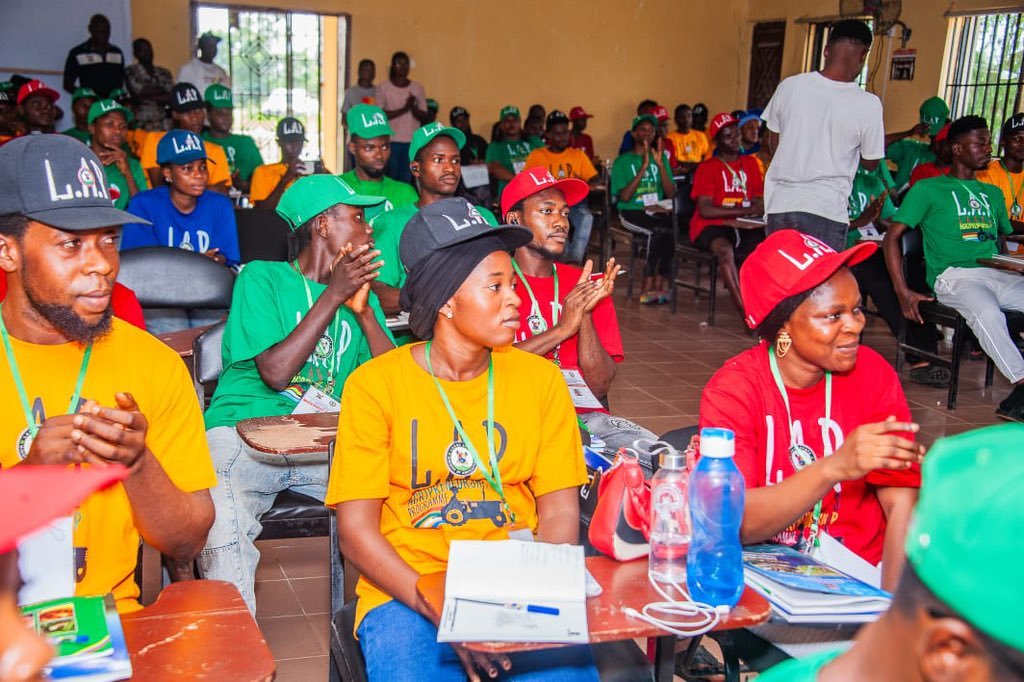
LAP 25, like previous cohorts, features a comprehensive one-month intensive training period complemented by practical field sessions designed to expose participants to the realities of modern farming. The programme also includes a three-month internship and mentorship phase, during which trainees are attached to agricultural enterprises, industry experts, and value-chain specialists for deeper professional development.
According to the Ministry, the Lagos Agripreneurship Programme remains pivotal to the State’s mission of transitioning from traditional subsistence farming to a more technologically driven and commercially viable agricultural sector. The initiative continues to produce youth agripreneurs equipped with advanced knowledge, hands-on expertise, and an entrepreneurial mindset that aligns with the dynamics of today’s agricultural economy.
Participants in LAP 25 are being trained across key agricultural value chains, including poultry production, aquaculture, crop cultivation, post-harvest processing, food packaging, and emerging Agritech solutions. This multi-disciplinary exposure is aimed at encouraging innovation, boosting productivity, and promoting sustainable agricultural practices in Lagos.
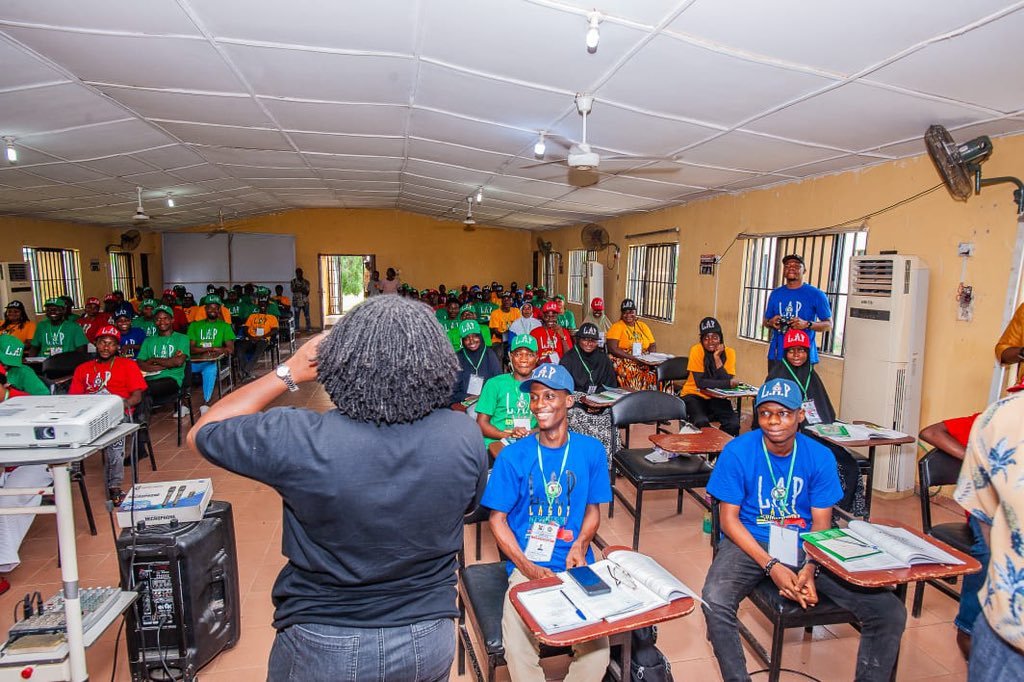
While addressing the trainees, Commissioner Olusanya emphasised the significance of the programme in transforming the state’s food ecosystem, noting that agriculture and food systems remain a central pillar of the Sanwo-Olu administration’s economic development strategy. She highlighted the government’s intention to broaden food production, reduce dependence on external supply channels, and create job opportunities for Lagos youths.
She expressed confidence that the 25th cohort would build on the achievements of previous groups whose innovations and agribusiness ventures are already contributing to Lagos’ food value chain. Olusanya encouraged the participants to take full advantage of the knowledge, tools, and mentorship provided through the programme, adding that the State Government remains committed to supporting viable agribusiness startups emerging from LAP.
Permanent Secretary Emmanuel Audu also commended the enthusiasm of the participants, reaffirming that the Ministry will continue to provide the enabling environment, infrastructure, and technical guidance required to sustain the programme’s impact. He noted that LAP has grown into a reputable platform for youth empowerment, food system stability, and agribusiness development across Lagos.
Audu explained that the blend of practical and theoretical training offered at the Epe centre is deliberately structured to strengthen agricultural capacity among young people while addressing food security challenges in Africa’s fastest-growing megacity.
Participants at the training expressed appreciation to the Lagos State Government for investing in youths and providing access to modern agricultural tools, professional mentorship, and business development opportunities. Many noted that the programme is equipping them with the skills needed to become employers of labour within the agricultural sector.
With LAP 25 underway, Lagos State continues to demonstrate its commitment to building a resilient and inclusive agricultural economy that can sustainably feed its expanding population. The Ministry of Agriculture & Food Systems reiterated that more cohorts will be rolled out as part of its long-term plan to boost food production, enhance value chain participation, and position Lagos as a regional hub for agritech innovation and agribusiness excellence.