



The Lagos Bureau of Statistics (LBS) has strengthened efforts to improve evidence-based responses to domestic and sexual violence through a stakeholders’ engagement on a new state-wide survey.
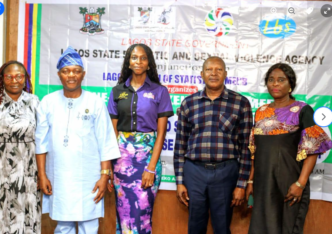
Eko Hot News reports that the engagement was organised by LBS in collaboration with the Lagos State Domestic and Sexual Violence Agency (DSVA) to gather reliable information on residents’ experiences, access to support services and the effectiveness of existing government interventions.
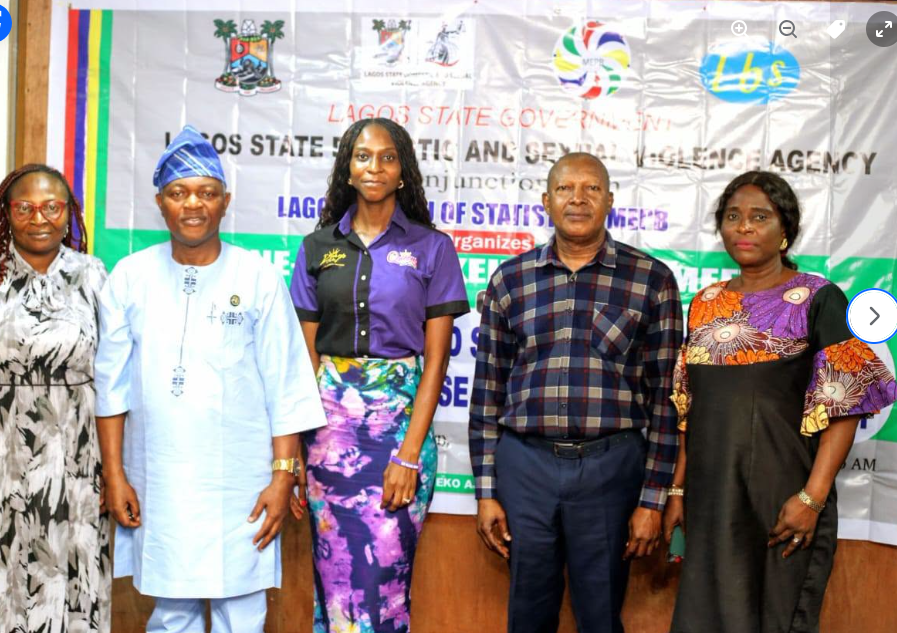
The meeting was held at the Lagos Chamber of Commerce and Industry in Ikeja.
The survey is expected to examine the incidence of domestic violence and sexual harassment, response time, reporting channels and public awareness of available support services.
It will also provide information on residents’ confidence in government interventions and their experiences when seeking assistance.
Permanent Secretary, Ministry of Economic Planning and Budget, Mrs. Olayinka Ojo, said reliable data was essential to developing policies that respond to the actual experiences of residents.
Ojo was represented at the engagement by the Director of the Lagos Bureau of Statistics, Mr. Bashiru Oseni-Ope.
She said the survey would provide useful information for assessing social protection programmes and interventions addressing gender-based concerns.
According to her, feedback from residents would help government determine whether existing policies and services are achieving their intended objectives.
She noted that the information gathered could also assist the government in directing public resources towards areas with the greatest needs.
Ojo highlighted several measures adopted by Lagos to strengthen its response to domestic and sexual violence.
These include the Protection Against Domestic Violence Law 2007, public awareness campaigns, the Virtual Referral and Response Service, as well as partnerships with civil society organisations and community stakeholders.
She stressed the importance of regularly evaluating such initiatives to determine their reach and effectiveness.
The Permanent Secretary said particular attention would be given to whether residents are aware of available support services and reporting mechanisms.
She also noted the need to determine whether survivors can access appropriate assistance when they seek help.
The survey is expected to identify gaps between government policies and residents’ expectations.
It will examine issues such as awareness of support channels, public attitudes and the accessibility of intervention services across communities.
Ojo assured stakeholders that the findings would be applied to future government planning and budgeting.
She said the data would help guide resource allocation in areas including social protection and gender equality.
The Permanent Secretary also called for continued cooperation between government agencies, communities, civil society organisations and development partners.
She said coordinated efforts were necessary to strengthen prevention, reporting and support systems.
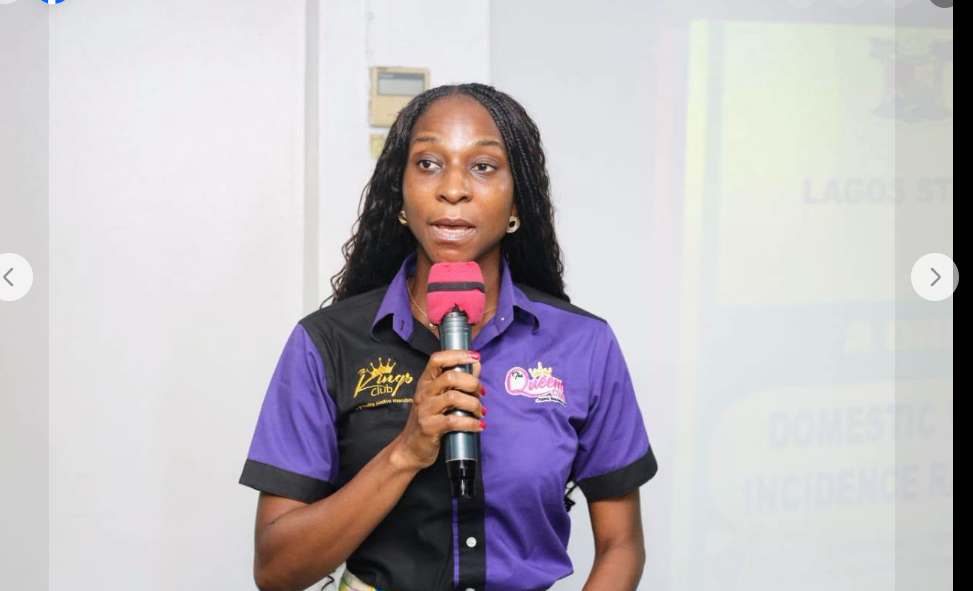
The Executive Secretary of the Lagos State Domestic and Sexual Violence Agency, Mrs. Titilola Vivour-Adeniyi, described the survey as an important step towards improving the State’s understanding of emerging trends.
Vivour-Adeniyi said accurate data would help stakeholders identify patterns and develop more effective interventions.
She explained that the collaboration between LBS and DSVA was designed to generate information on the prevalence of gender-based violence, reporting patterns and access to support.
The DSVA chief noted that domestic and sexual violence can be influenced by several social and cultural factors.
She identified gender inequality, harmful social norms, patriarchy and socio-religious influences among factors that can contribute to the challenge.
According to her, the complexity of the issue requires contributions from different sectors of society.
She said government institutions, civil society groups, religious organisations and community leaders all have important roles to play.
Vivour-Adeniyi stressed that government must continue to strengthen relevant laws, policies and support structures for survivors.
She also emphasised the importance of ensuring that established laws are effectively implemented.
The survey is expected to provide information that can help identify areas with higher prevalence across Local Government Areas in Lagos.
Such information could assist policymakers in developing more targeted prevention and response strategies.
The findings may also help improve public awareness of available services and encourage greater confidence in appropriate reporting channels.
The collaboration demonstrates the importance of using data to strengthen social policy and public service delivery.
Reliable information can help government agencies understand where existing interventions are effective and where improvements may be required.
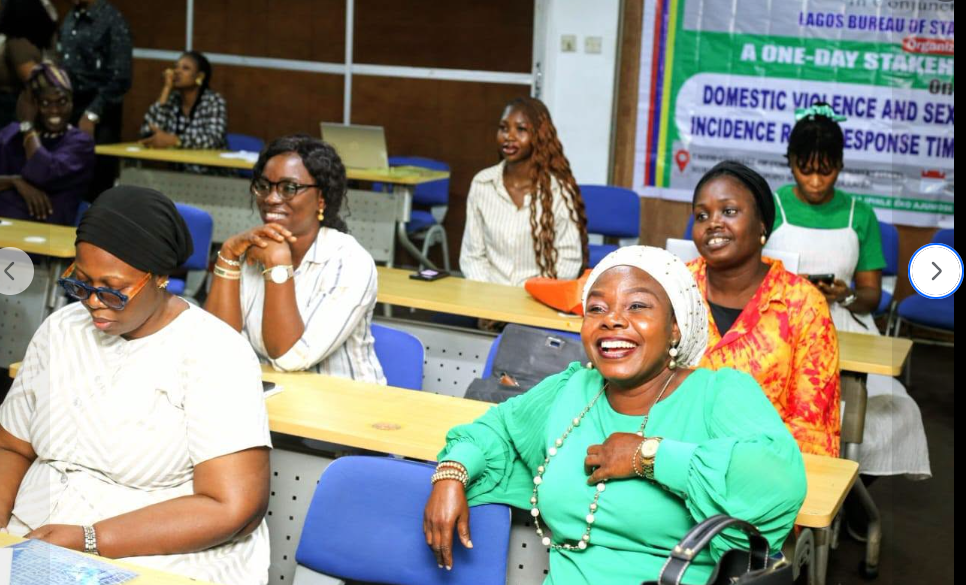
The engagement also provides an opportunity for stakeholders to contribute their experiences and perspectives to the survey process.
LBS and DSVA are expected to use the findings to support stronger planning and policy development across the state.
The Lagos State Government has continued to emphasise the importance of evidence-based decision-making in addressing social challenges.
The latest initiative reinforces that approach by placing residents’ experiences and available data at the centre of policy planning.
Vivour-Adeniyi also encouraged survivors to seek appropriate support and speak with trusted professionals when necessary.
She assured survivors that their experiences should be taken seriously and that they should not blame themselves for what they experienced.
The agencies maintained that continued collaboration, reliable data and accessible support services would be important to improving the State’s response.
The survey therefore represents another step towards developing more responsive policies and strengthening support systems for residents across Lagos.