




The Lagos State Government has urged Sustainable Development Goals (SDGs) Champions across its institutions to turn reliable data into practical actions that can improve public service delivery and accelerate development.
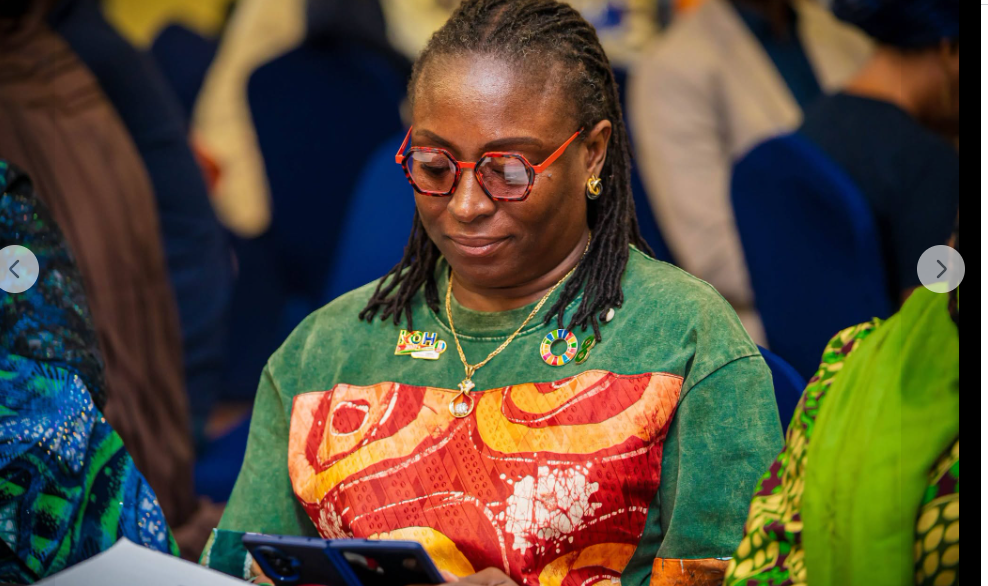
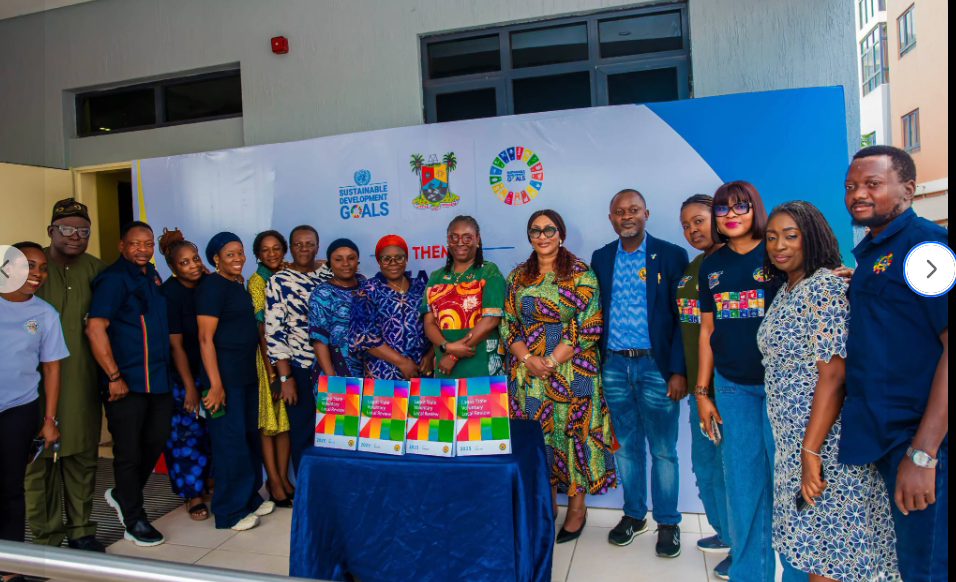
Eko Hot News reports that the charge was made at the Annual SDGs Champions’ Capacity Building Workshop held at Protea Hotel, CBD, Alausa, Ikeja.
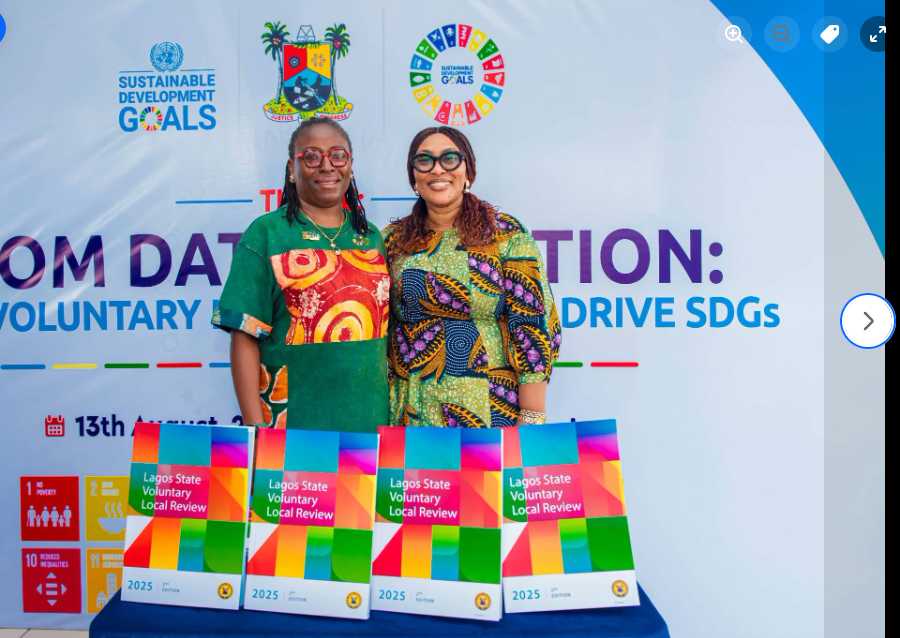
The workshop was themed, “From Data to Action: Using Voluntary Local Review to Drive the SDGs.”
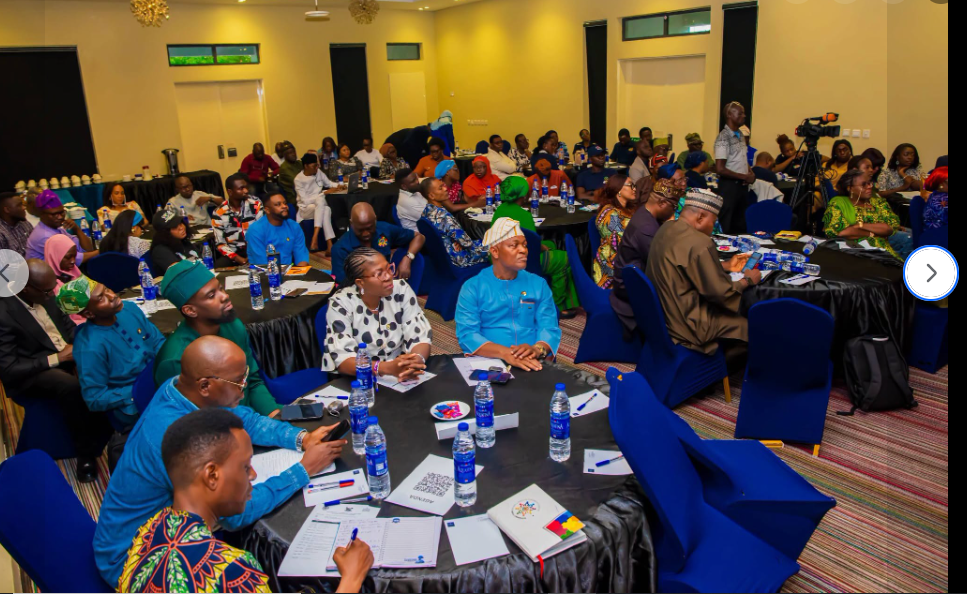
The event brought together SDG focal officers and other strategic stakeholders from various state institutions.
The participants focused on strengthening their capacity in data collection, analysis and reporting.
The workshop also examined ways to improve local development outcomes through evidence-based planning.
The Special Adviser to the Governor on SDGs, Dr. Oreoluwa Finnih, described reliable data as essential to effective governance.
Finnih said data helps government identify areas requiring attention and allocate resources according to actual needs.
She noted that information can reveal gaps in education, transportation infrastructure and waste management.
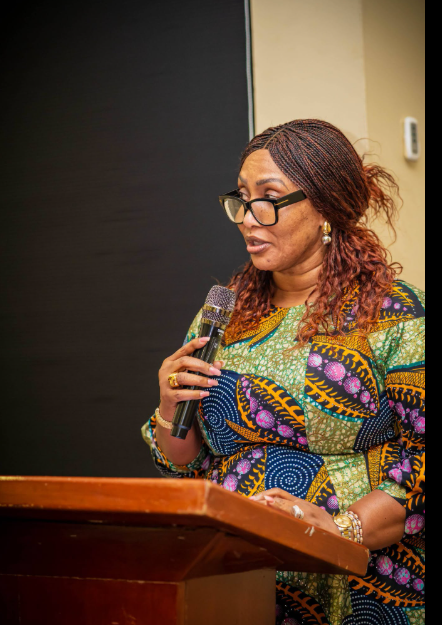
According to her, accurate data also helps government avoid unnecessary spending and direct public resources to areas where they are most needed.
Finnih stressed that collecting reliable data requires resources and commitment but remains important for improving the lives of residents.
She also highlighted Lagos State’s achievement in conducting two Voluntary Local Reviews (VLRs).
The reviews have helped the state assess its progress toward achieving the SDGs at the sub-national level.
Finnih described the achievement as an important milestone in Lagos’ sustainability reporting efforts.
She also acknowledged the support of the Senior Special Assistant to the President on SDGs, Princess Adejoke Orelope-Adefulire.
The Permanent Secretary, Office of Sustainable Development Goals, Mrs. Kaphayah Olayemi Sarumi, said sustainable development requires strong local ownership.
Sarumi explained that global development objectives can only produce meaningful results when translated into practical actions within communities.
She said the state had spent the past three years building structures and systems to support SDG implementation.
According to her, the focus must now shift further toward execution and measurable results.
She urged SDG Champions to identify gaps within their respective areas of responsibility.
These areas include public health, quality education, gender equity, environmental management and good governance.
Sarumi said identifying operational challenges would help ensure that government policies reflect the realities experienced by residents.
She encouraged participants to use available data to strengthen decision-making and improve service delivery.
The Permanent Secretary, Ministry of Economic Planning and Budget, Mrs. Olayinka Modupe Ojo, also stressed the importance of data integrity.
Ojo challenged participants to consider how the information they collect today could affect development outcomes for future generations.
She linked reliable data to the successful implementation of the Lagos State Development Plan (LSDP) 2052.
The plan provides a long-term framework for sustainable development across the state.
Ojo cautioned against poor data collection and administrative errors.
She said inaccurate information could affect decisions relating to hospitals, schools, roads and other public infrastructure.
The Permanent Secretary urged data stakeholders across Ministries, Departments and Agencies (MDAs) to review their reporting templates.
She also encouraged them to maintain high standards when gathering and submitting information.
Ojo called for a human-centred approach to data collection, noting that information should ultimately support policies that improve people’s lives.
She said accurate data would help Lagos achieve sustainable development and build a stronger economy.
The workshop provided participants with practical tools for analysing sector-specific data.
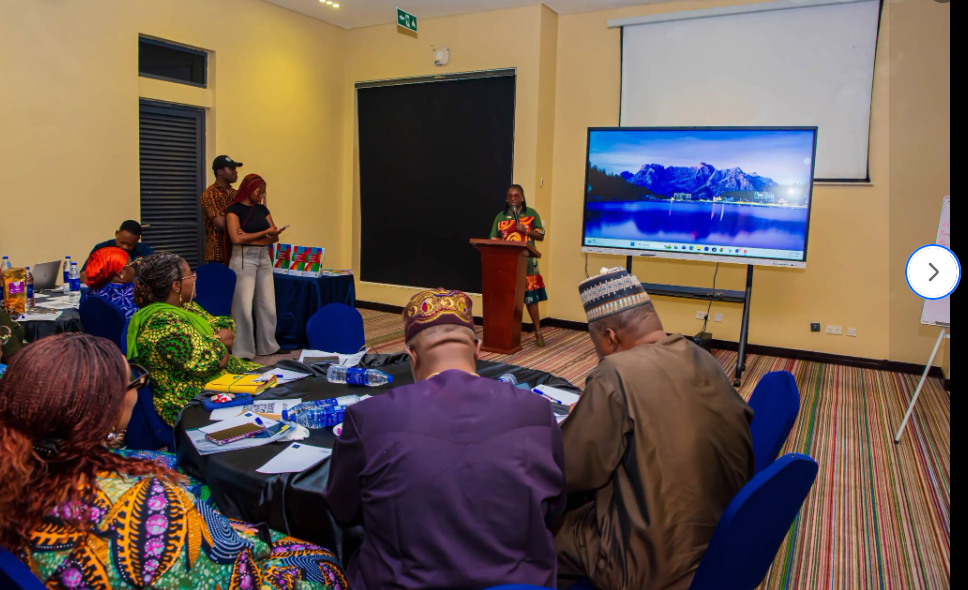
They were also guided on how to identify operational bottlenecks affecting the implementation of development programmes.
Another major focus was the use of findings from Voluntary Local Reviews to develop actionable policy recommendations.
The organisers said such recommendations could help government agencies respond more effectively to identified development gaps.
The workshop is part of Lagos State’s broader effort to strengthen institutional capacity around the SDGs.
It also reinforces the state’s commitment to using evidence in planning, budgeting and public service delivery.
The 2030 SDG targets require coordinated action across different levels of government and sectors.
For Lagos, the integration of local data into policy decisions is expected to support more targeted development interventions.
The state government believes that stronger data systems can improve accountability and help measure the impact of public programmes.
The workshop therefore provided an opportunity for SDG Champions to strengthen collaboration across government institutions.
Participants were encouraged to move beyond data collection and focus on how information can produce measurable improvements.
The government also emphasised the importance of maintaining accurate records as Lagos pursues its long-term development objectives.
Through the capacity-building initiative, the state is seeking to ensure that SDG implementation remains connected to the everyday needs of residents.
The emphasis on data-driven action is expected to support progress in key areas, including education, healthcare, infrastructure, environmental sustainability and governance.
The workshop ended with a renewed call for public institutions to treat data as a strategic resource for effective governance.
Lagos State said the ultimate objective is to translate reliable information into policies and programmes that deliver measurable benefits to residents.