




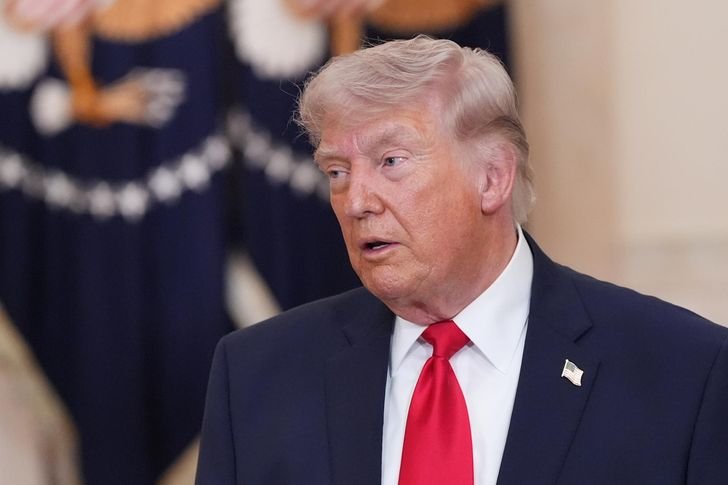
President Donald Trump has said no exchange or reciprocal arrangement was involved in the release of American citizen Robert Gilman from a Russian prison.
Eko Hot News reports that Trump’s statement came after Gilman, who had been serving a prison sentence in Russia, was released and returned to American custody.
The president made clear that the United States did not provide a prisoner in return for Gilman’s release.
Trump’s comments sought to clarify the circumstances surrounding the development and dispel speculation about a possible prisoner exchange.
Gilman’s case had attracted attention because of his detention in Russia and the efforts to secure his return to the United States.
His release represents another instance of diplomatic engagement between Washington and Moscow over Americans detained in Russia.
The circumstances surrounding the release were not fully detailed in Trump’s brief statement.
However, the president firmly rejected the suggestion that an exchange had taken place.
A prisoner exchange typically involves two governments agreeing to release individuals held in each country.
Trump’s statement indicates that Gilman’s release did not follow that type of arrangement.
The development is significant because Americans detained in Russia have frequently become subjects of negotiations between the two governments.
Washington has previously sought the return of U.S. citizens held in Russian prisons through diplomatic channels.
Such cases can involve lengthy discussions between officials before an agreement is reached.
Gilman’s release therefore represents an important development for his family and supporters.
The former detainee is expected to receive assistance as he adjusts to life back in the United States.
The U.S. government has not indicated that any Russian national was released as part of the arrangement.
Trump’s statement was direct in addressing the question of whether Washington had made a reciprocal concession.
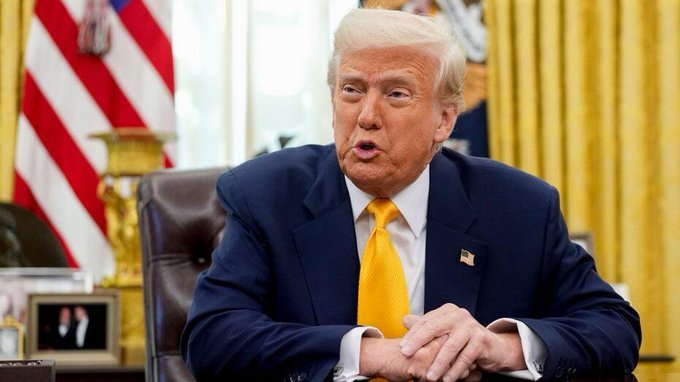
“No exchange took place,” the president said.
The comment provides a clear indication of the administration’s position on the circumstances surrounding Gilman’s return.
It also separates the case from previous U.S.-Russia agreements involving simultaneous prisoner releases.
The United States and Russia have conducted prisoner exchanges in recent years, particularly in cases involving Americans detained in Russia and Russian nationals held in the United States.
Those arrangements have generally involved extensive diplomatic negotiations.
Gilman’s case appears to have followed a different path.
The precise diplomatic process that resulted in his release has not been publicly outlined in full.
Officials may continue to provide additional information as the case develops.
For now, the focus remains on Gilman’s return to the United States.
His release is likely to be welcomed by family members and others who have followed his detention.
The case also highlights the challenges faced by Americans who encounter legal problems while travelling or living abroad.
U.S. authorities routinely provide consular assistance to citizens detained in foreign countries.
However, the ability of the American government to influence foreign judicial proceedings is limited.
Diplomatic negotiations can nevertheless play an important role in resolving individual detention cases.
Gilman’s return demonstrates the potential importance of continued communication between governments.
The development comes amid complicated relations between Washington and Moscow.
Despite broader disagreements, the two countries maintain channels for discussions involving consular matters and detained citizens.
Those channels can become particularly important when American nationals are held in Russia.
Trump’s administration has indicated that securing the return of Americans remains an important priority.
The president’s latest comments also make clear that the government does not consider Gilman’s release part of a formal exchange.
No details have been publicly provided suggesting that an American or Russian prisoner was released simultaneously.
The absence of an exchange could make Gilman’s case different from several high-profile U.S.-Russia prisoner arrangements.
Those previous cases involved negotiations over individuals held by both countries.
The latest development could therefore become a notable example of an American citizen returning home without a reciprocal prisoner release.
Gilman’s detention in Russia had previously generated concerns among those seeking his return.
His release now brings that period to an end.
The American government is expected to continue monitoring the situation and providing appropriate support following his return.
Trump’s comments may also help clarify the administration’s approach to Americans detained overseas.
Rather than describing the development as a negotiated exchange, the president presented Gilman’s release as a case in which no reciprocal arrangement was required.
The exact terms, if any, surrounding the diplomatic process remain unclear.
Further information could emerge from U.S. officials or Russian authorities.
For Gilman and his family, however, the central development is his release from Russian custody.
The case also demonstrates the importance of diplomatic channels in resolving sensitive consular matters.
While relations between the United States and Russia remain complex, discussions concerning detained citizens can continue through established channels.
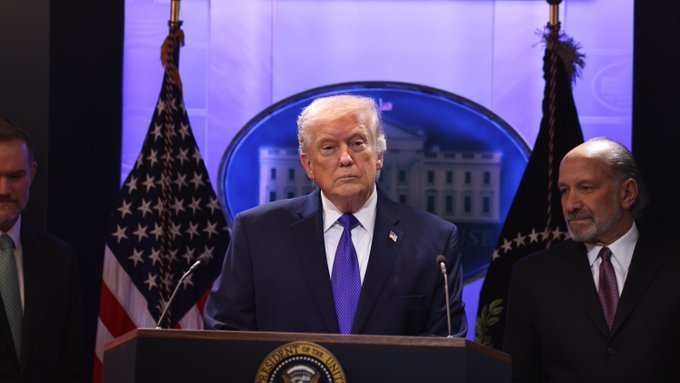
Trump’s statement has now removed speculation about a prisoner swap in Gilman’s case.
The president’s position is that no exchange took place to secure the American’s freedom.
The development is expected to keep attention on U.S.-Russia relations and the treatment of American citizens detained abroad.
It also underscores the administration’s stated interest in securing the return of Americans held outside the country.
Gilman’s release marks a significant development for his family and provides an opportunity for him to begin rebuilding his life after his time in Russian custody.
Further details about the process behind his release may become available as officials provide additional information.
For now, the Trump administration maintains that the American’s return was achieved without a prisoner exchange.