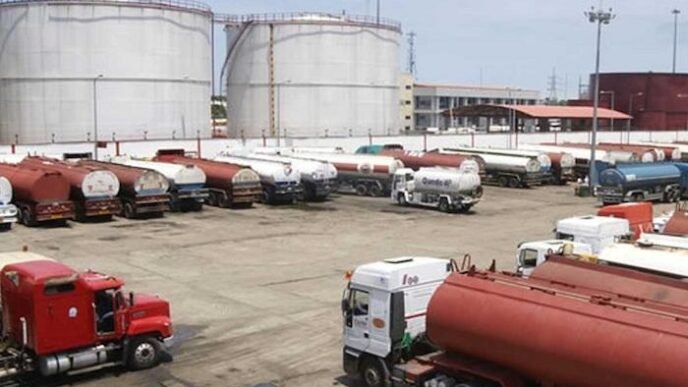





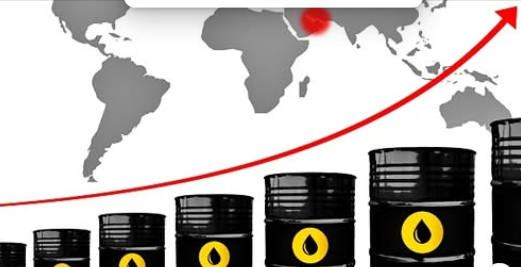
Global oil prices edged lower in early trading on Sunday after the United States and Iran refrained from taking further military action in the Persian Gulf for a second consecutive day, easing immediate concerns over energy supplies.
Eko Hot News reports that the decline followed last week’s rally, when crude oil prices climbed to their highest level in about two months amid uncertainty surrounding developments in the Middle East. The latest pause in hostilities helped calm market sentiment.
According to reports, traders responded positively to signs that both the United States and Iran avoided fresh military action, reducing fears of a wider regional disruption that could affect global oil production and shipping routes.
Analysts said energy markets are highly sensitive to developments in the Persian Gulf because the region remains one of the world’s largest oil-producing areas. Any changes in regional stability often influence crude prices and investor confidence.
The easing in prices reflects growing optimism that oil supplies may continue to flow without major interruptions. While prices remain above recent averages, the latest movement suggests investors are adopting a more measured outlook.
Market experts explained that crude oil prices often react quickly to geopolitical events, especially when they involve major energy-producing nations. News of reduced tensions usually supports greater market stability.
Although oil prices declined on Sunday, analysts cautioned that the situation remains fluid. They noted that markets will continue to respond to official statements and developments from the region in the coming days.
Energy traders are also monitoring shipping activity through the Strait of Hormuz, one of the world’s busiest maritime routes for crude oil exports. Any disruption to this corridor could significantly affect global energy markets.
The recent decline follows several days of heightened market volatility, during which concerns over regional developments pushed oil prices higher. Investors had feared that prolonged instability could tighten global supply.
Financial analysts said lower oil prices could ease inflationary pressures if the trend continues. Stable energy costs generally help businesses manage operating expenses while reducing transportation and manufacturing costs.
For oil-importing countries such as Nigeria, international crude price movements remain important because they influence government revenue, exchange rates and domestic fuel market dynamics.
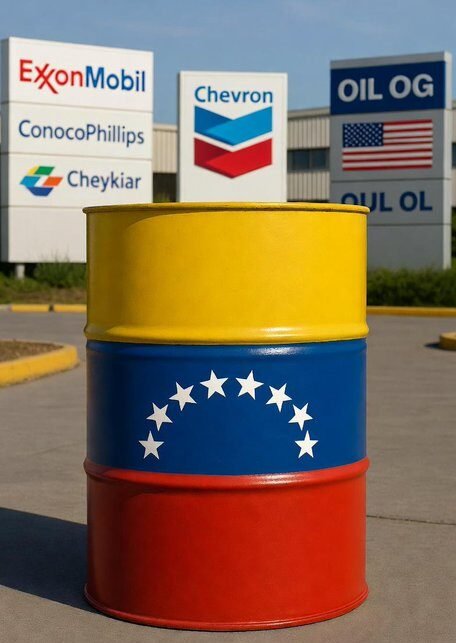
Economists noted that while lower global oil prices may reduce export earnings for producing countries, they can also contribute to more stable energy costs for consumers and businesses in many parts of the world.
International financial institutions continue to monitor developments closely, as energy prices remain a major factor influencing global economic growth, inflation and investment decisions.
Investors are expected to pay close attention to comments from U.S. officials, Iranian authorities and international organisations for indications of future diplomatic engagement or policy changes.
Commodity analysts believe market confidence could improve further if the current period of restraint continues. They said sustained stability would likely reduce uncertainty across global financial markets.
Despite Sunday’s decline, oil prices remain influenced by broader factors including production levels, global demand, economic growth forecasts and decisions by major oil-producing nations.
Energy companies are also watching developments carefully as they assess investment strategies and production plans in response to changing market conditions.
Meanwhile, international shipping operators continue normal operations across key energy routes while maintaining close communication with maritime authorities regarding regional security updates.
Market observers say the coming week will be important for determining whether the recent decline develops into a broader price correction or remains a temporary response to improved geopolitical sentiment.
The latest movement demonstrates how quickly global commodity markets react to international developments. Even modest signs of easing tensions can influence investor behaviour and affect oil prices within hours.
As trading continues, analysts expect oil prices to remain sensitive to diplomatic developments, economic data and supply-demand fundamentals. Investors will continue monitoring the Middle East for any updates that could influence global energy markets.