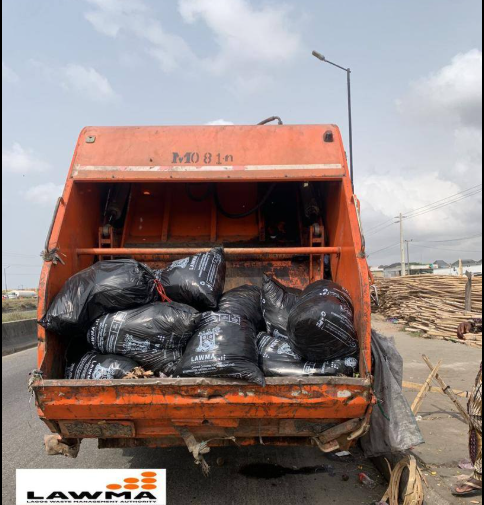





The Lagos Waste Management Authority (LAWMA) has unveiled a long-term strategy to reduce dependence on dumpsites by expanding recycling, resource recovery and modern waste processing across Lagos State.
Eko Hot News reports that the Managing Director and Chief Executive Officer of LAWMA, Dr. Muyiwa Gbadegesin, disclosed the plan during the weekend edition of Traffic Radio’s Talk Time programme, where he highlighted the Authority’s vision for a cleaner and more sustainable Lagos.
Dr. Gbadegesin explained that dumpsites were never intended to serve as permanent waste management solutions, particularly in a fast-growing city like Lagos.
He said every disposal facility has a limited operational lifespan, making it necessary to reduce the volume of waste sent to landfill sites while investing in sustainable alternatives.
According to him, LAWMA is gradually transforming its operations from a waste disposal agency into a resource management institution that prioritises recycling and value recovery.
He noted that the Authority is working to ensure that more municipal waste is recovered, recycled or treated before reaching final disposal sites.
To support this objective, LAWMA is expanding investments in Material Recovery Facilities (MRFs), Transfer Loading Stations (TLSs), biodigesters, composting facilities and other modern waste processing infrastructure.
Dr. Gbadegesin said these facilities will improve the recovery of recyclable materials, reduce pressure on existing dumpsites and promote environmental sustainability.
He explained that every tonne of waste diverted from landfill sites helps extend the lifespan of disposal facilities while creating opportunities for economic growth and job creation.
The LAWMA boss added that recovered materials can support industries that rely on recycled products, contributing to the development of a circular economy.
He disclosed that the Authority is strengthening waste sorting and recycling initiatives to encourage the separation of recyclable and organic waste at the source.
According to him, effective waste sorting makes recycling more efficient and reduces the amount of mixed waste requiring disposal.
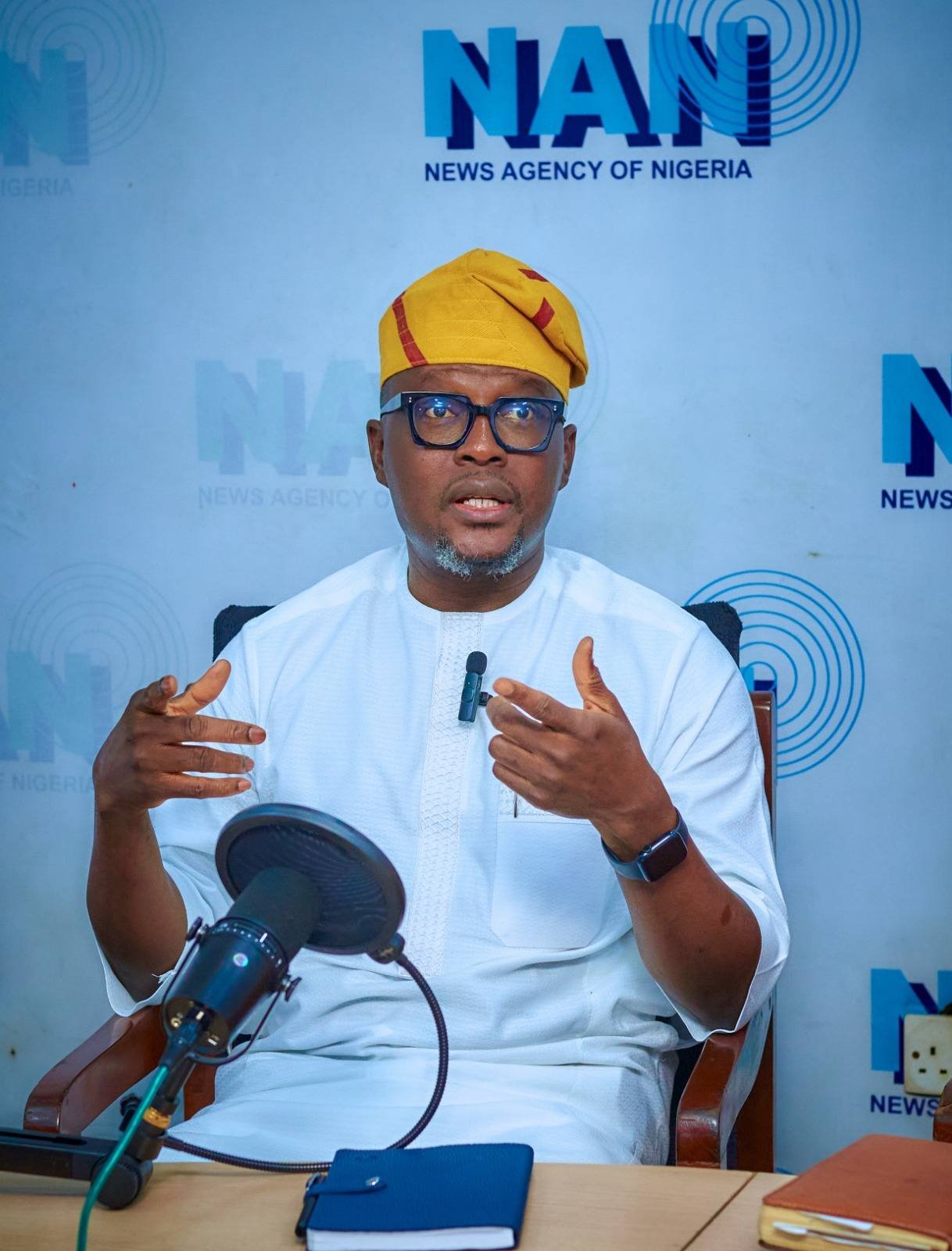
Dr. Gbadegesin stressed that infrastructure alone cannot achieve sustainable waste management without active public participation.
He said environmental education and behavioural change remain central to LAWMA’s long-term strategy for improving waste management practices across Lagos.
The Managing Director highlighted the role of the LAWMA Academy as the Authority’s platform for environmental education, advocacy and public awareness.
He explained that the Academy works with schools, markets, estates, institutions and community groups to promote responsible waste management and proper environmental practices.
The Academy also collaborates with universities, development partners, professional organisations and private sector stakeholders to encourage research, innovation and practical solutions for sustainable waste management.
Dr. Gbadegesin reaffirmed that the most sustainable waste is the waste that never reaches a dumpsite.
He noted that every item recovered through recycling, composting or other resource recovery initiatives reduces environmental pressure while conserving valuable resources.
The LAWMA boss urged residents to adopt waste sorting at home and in workplaces as an important step toward improving recycling rates across the state.

He also encouraged Lagosians to use only their assigned Private Sector Participants (PSPs) for waste collection to ensure proper disposal and efficient service delivery.
Residents were further advised to support community recycling initiatives and participate actively in programmes designed to promote environmental sustainability.
Stakeholders believe the Authority’s renewed focus on recycling and resource recovery aligns with global best practices for sustainable urban waste management.
Environmental experts have also welcomed the initiative, noting that reducing landfill dependence can improve public health, protect natural resources and support climate resilience.
As Lagos continues to expand, LAWMA says collaboration between government, residents, businesses and environmental partners will remain essential to building a cleaner and more sustainable city.
The Authority expressed confidence that continued investment in recycling infrastructure, environmental education and responsible waste management will help transform Lagos into a model for circular economy practices in Africa.