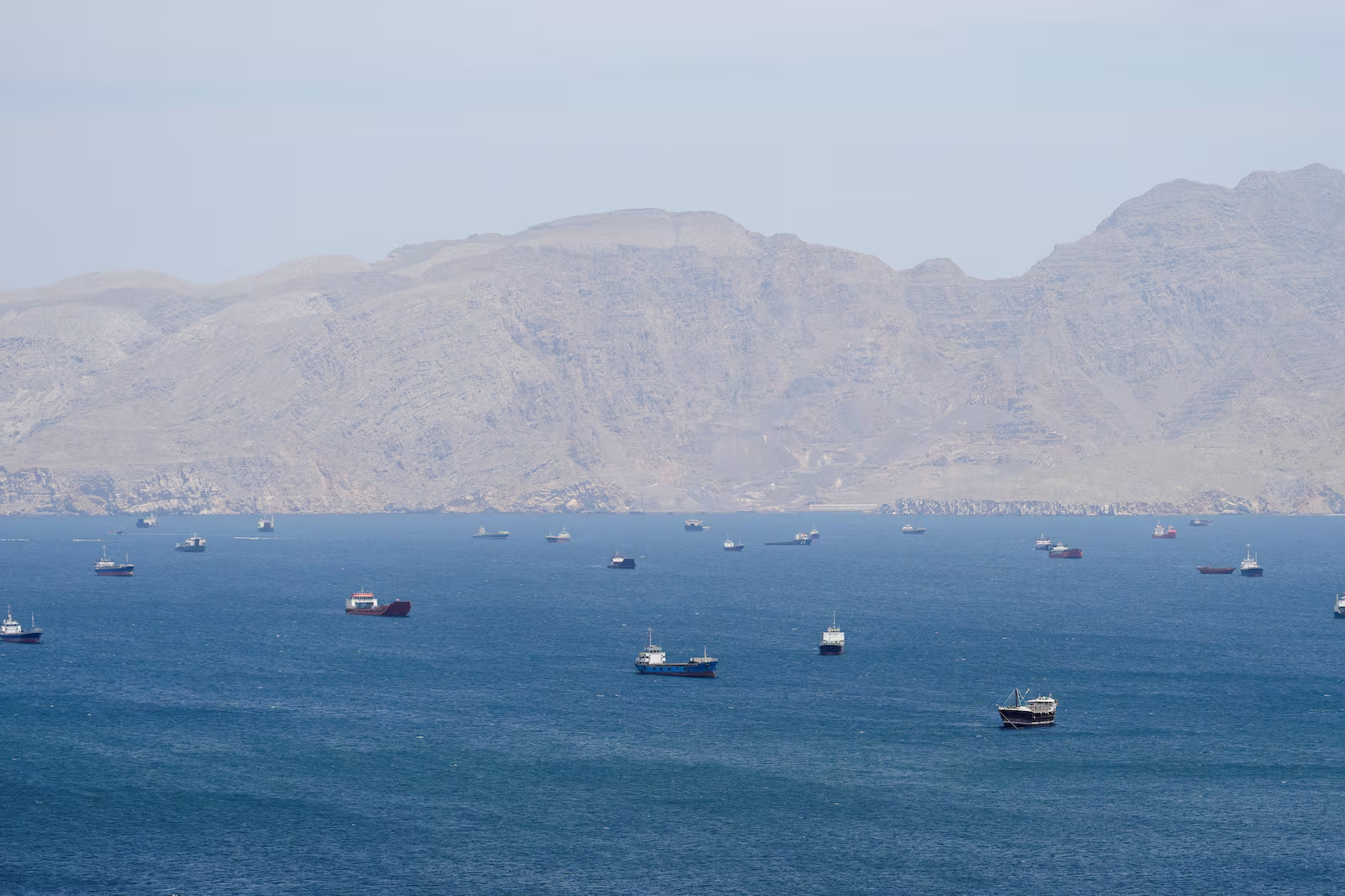




President Donald Trump has announced plans to reinstate a naval blockade on Iranian ports and introduce new charges for commercial vessels using the Strait of Hormuz, marking a significant shift in the United States’ approach to maritime security and regional policy.
Eko Hot News reports that Trump made the announcement on Monday, saying the United States would restore the blockade on Iranian ports while introducing a new fee on commercial cargo transiting the Strait of Hormuz. The move follows renewed tensions in the region and signals a departure from an earlier preliminary understanding between Washington and Tehran.
According to the US president, the new policy is designed to ensure the continued security of one of the world’s busiest maritime routes while helping offset the costs of maintaining safe navigation through the strategic waterway.
Trump said commercial vessels from countries not affected by the blockade would continue to have access to the Strait of Hormuz under the new arrangement. However, qualifying cargo passing through the route would be subject to a new reimbursement charge.
The Strait of Hormuz remains one of the world’s most important shipping corridors, carrying a substantial share of global oil exports and international trade every day.
Any policy affecting the waterway is closely monitored by governments, shipping companies and global energy markets because of its economic significance.
The latest announcement represents a major policy adjustment after previous diplomatic efforts sought to reduce tensions and encourage negotiations between the United States and Iran.
Trump described the United States as the future “guardian” of the Strait of Hormuz, saying the country would continue supporting freedom of navigation while strengthening maritime security in the region.
The proposed reimbursement charge has generated discussion among political observers and maritime experts, with many examining its possible implications for international shipping and global commerce.
Analysts say any additional costs imposed on vessels using the Strait of Hormuz could influence shipping expenses, energy prices and supply chains if fully implemented.
The announcement has also renewed attention on the future of diplomatic engagement between Washington and Tehran following recent developments in the region.
Observers note that the preliminary understanding between both countries had been viewed as a pathway toward easing tensions before the latest policy shift.
Maritime stakeholders are expected to monitor further guidance from US authorities regarding implementation procedures and operational details for commercial shipping.
Industry experts say shipping operators will likely seek additional clarification on how the proposed charges would be applied and enforced.
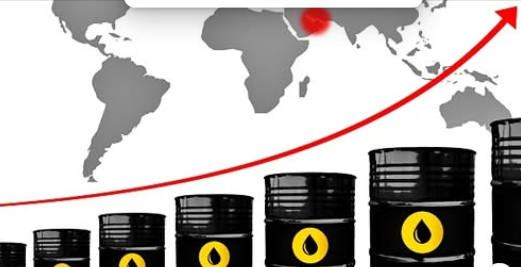
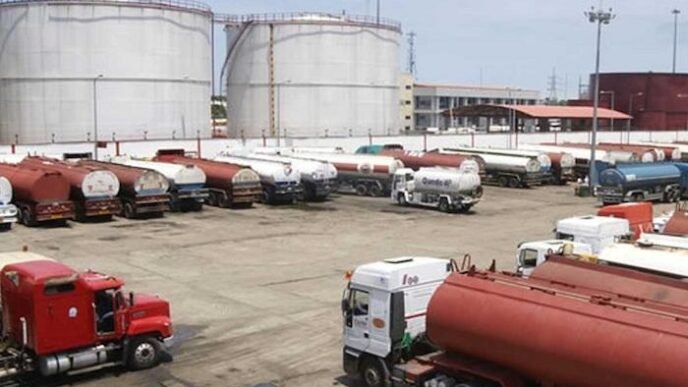
Energy markets are also expected to follow developments closely because of the Strait of Hormuz’s central role in global crude oil transportation.
International observers continue to emphasise the importance of maintaining uninterrupted commercial navigation through the strategic waterway while encouraging diplomatic engagement.
Several governments are expected to assess the implications of the announcement for regional security, international trade and energy stability.
The policy has also sparked renewed debate over the balance between maritime security measures and the smooth flow of global commerce through one of the world’s busiest sea lanes.
Analysts believe developments in the coming days will determine how international shipping companies, trading partners and regional governments respond to the proposed measures.
The Strait of Hormuz continues to serve as a critical gateway linking producers in the Gulf region with energy markets across Asia, Europe and other parts of the world.
As global attention remains focused on the Middle East, policymakers and industry leaders will continue monitoring official statements and practical steps surrounding the proposed blockade and shipping charges.
The latest announcement underscores the strategic importance of the Strait of Hormuz and highlights its continuing influence on international trade, maritime operations and global energy security.