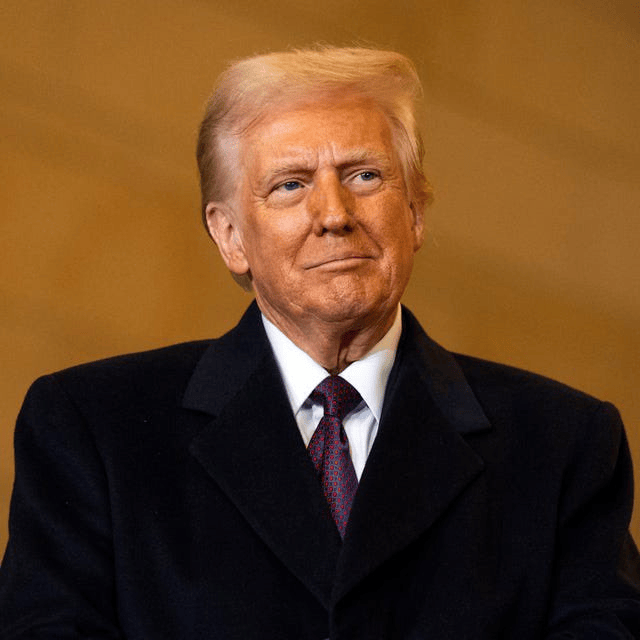




United States President Donald Trump has welcomed a landmark Supreme Court ruling that expands presidential authority over executive branch appointments, describing the judgment as a historic victory for the presidency.
Eko Hot News reports that Trump celebrated the decision in a series of posts on Truth Social, saying he was honoured to be the sitting president when the nation’s highest court delivered what he described as one of the most significant rulings on presidential powers.
According to Trump, the judgment reaffirmed the constitutional authority granted to the president under Article II of the United States Constitution to appoint and remove executive branch officials.
The president described the ruling as a major legal victory, arguing that it restores executive powers that had been restricted for decades.
Trump also claimed that the decision overturned nearly 90 years of legal precedent, calling it an unprecedented moment in American constitutional history.
The Supreme Court delivered the ruling in Trump v. Slaughter by a 6-3 majority, effectively overturning the 1935 Humphrey’s Executor decision, which had limited a president’s ability to remove leaders of certain independent federal agencies without specific cause.
Writing for the majority, Chief Justice John Roberts stated that statutory protections preventing presidents from removing executive officials conflicted with the constitutional separation of powers.
The case centred on former Federal Trade Commission Commissioner Rebecca Slaughter, who challenged her dismissal after being removed from office despite legal protections governing her position.
The court ruled that presidents generally have the authority to remove leaders of independent federal agencies, including officials serving on the National Labor Relations Board, the Consumer Product Safety Commission and the Merit Systems Protection Board.
Legal analysts say the judgment represents one of the most consequential decisions on executive authority in recent years and is expected to influence the relationship between the White House and independent regulatory agencies.
Supporters of the ruling argue that it restores the president’s constitutional responsibility to oversee the executive branch and ensures greater accountability within government institutions.
Critics, however, believe the decision could reduce the operational independence traditionally enjoyed by several federal agencies established by Congress.
Despite expanding presidential authority, the Supreme Court created an important exception involving the United States Federal Reserve.
In a separate 5-4 decision, the justices allowed Federal Reserve Governor Lisa Cook to remain in office while legal proceedings continue over Trump’s attempt to remove her.
Cook has denied allegations made against her, and the court ruled that she should remain in office until the legal process is completed.
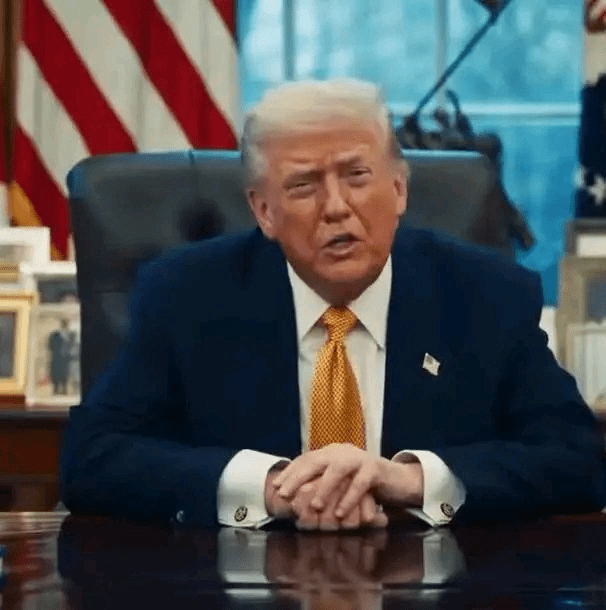
Chief Justice Roberts explained that immediately removing the Federal Reserve governor could weaken statutory protections specifically designed for the nation’s central banking system.
However, the court indicated that future removal efforts could proceed if appropriate legal procedures are followed.
Following the decision, Trump signalled that his administration intends to continue pursuing available legal options concerning Cook’s position.
The ruling has generated widespread discussion among constitutional scholars, lawmakers and legal practitioners across the United States.
Many experts believe the judgment could reshape future debates over the balance of power between the presidency, Congress and independent federal agencies.
The decision also reinforces ongoing discussions about the scope of executive authority and the constitutional limits of presidential power.
Supporters say the judgment strengthens democratic accountability by allowing elected presidents greater control over executive branch officials responsible for implementing government policies.
Opponents argue that maintaining a degree of independence within regulatory agencies remains important for ensuring impartial decision-making and institutional stability.
The Supreme Court’s latest ruling is expected to influence future administrations and may become one of the defining constitutional decisions on executive authority in modern American legal history.