



The Lagos State Ministry of Tourism, Arts and Culture has reaffirmed the state government’s commitment to strengthening the fashion, leather and creative industries as key drivers of economic growth, innovation and employment.
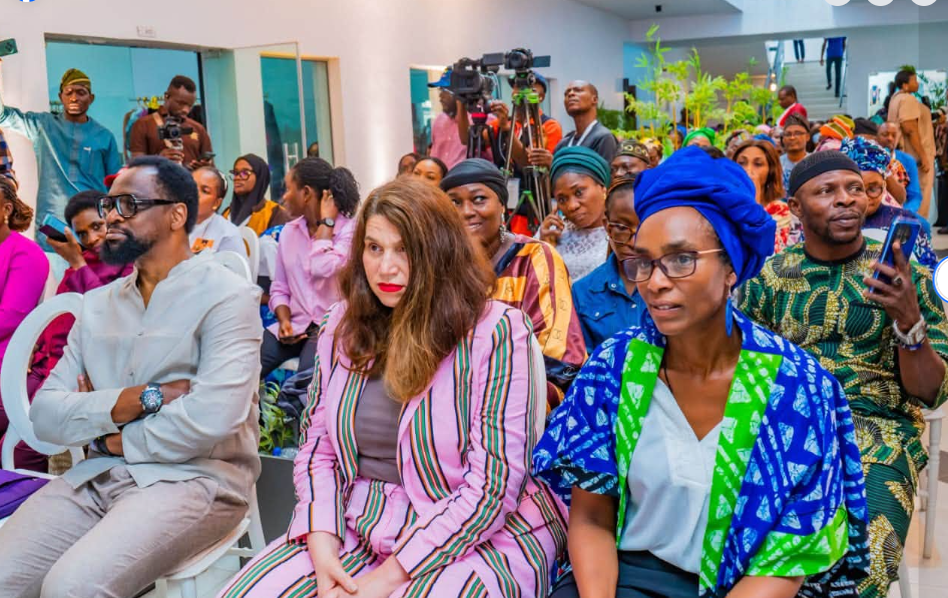
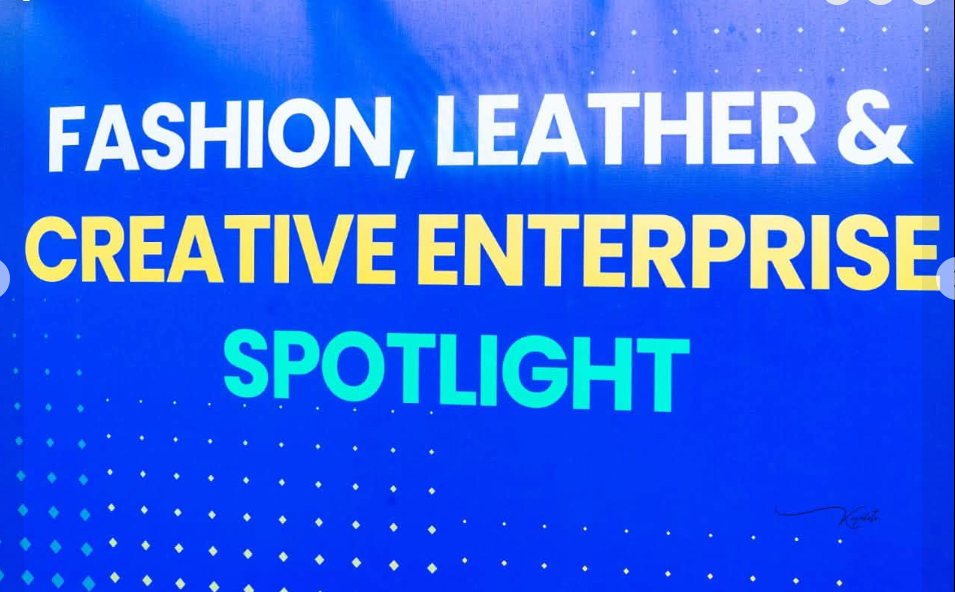
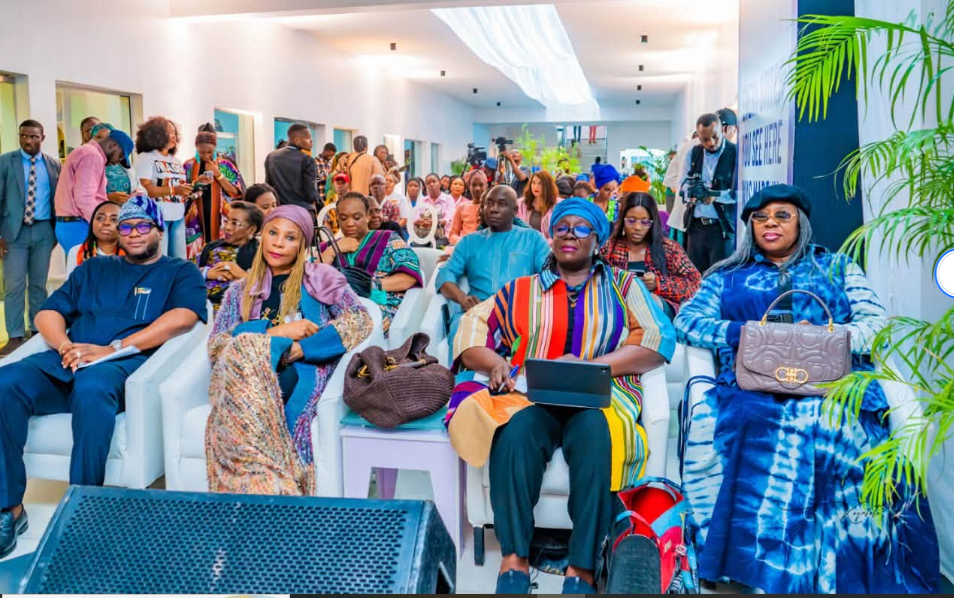
Eko Hot News reports that the commitment was announced during the two-day Fashion, Leather and Creative Enterprise Spotlight held at the Senator Oluremi Tinubu Industrial Leather Hub in Mushin. The event was organised with the support of the Lagos State Ministry of Wealth Creation and Employment in collaboration with the United Nations Development Programme (UNDP).
Speaking at the summit, the Commissioner for Tourism, Arts and Culture, Toke Benson-Awoyinka, said Lagos remains committed to creating an enabling environment where creative entrepreneurs can build globally competitive businesses.
The conference, themed “Stitch, Scale and Sell – Crafting Prosperity,” brought together fashion designers, leather artisans, creative entrepreneurs, investors, policymakers and development partners to explore practical ways of strengthening Nigeria’s creative value chain.
Benson-Awoyinka described Lagos as Nigeria’s creative capital, noting that the state’s fashion and leather industries continue to promote culture, innovation and entrepreneurship.
She said creativity alone is no longer enough to succeed in today’s economy, stressing that innovation must be transformed into sustainable businesses capable of creating jobs and attracting investment.
According to the commissioner, the administration of Babajide Sanwo-Olu continues to prioritise the creative economy through policies that encourage enterprise development, innovation and skills enhancement.
She explained that the Ministry of Tourism, Arts and Culture remains committed to promoting Lagos’ creative excellence through exhibitions, festivals, trade missions and other initiatives that connect local entrepreneurs with international markets.
Benson-Awoyinka emphasised the importance of strategic partnerships in expanding opportunities for creative businesses across the state.
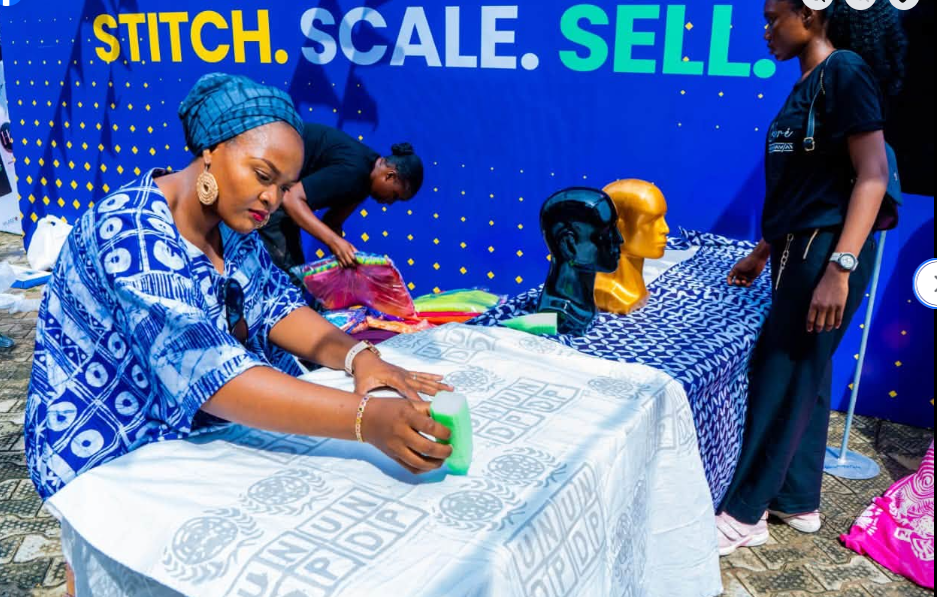
She revealed that the Lagos State Government is working closely with the United Nations Development Programme to improve access to global markets for creative entrepreneurs.
According to her, the partnership also focuses on strengthening payment systems, improving product standardisation and supporting quality control for the Made-in-Lagos brand.
She added that the collaboration seeks to increase access to finance for entrepreneurs while improving regional logistics that support trade across Africa.
The commissioner noted that addressing these challenges will enhance the competitiveness of Lagos-based businesses within regional and global markets.
She encouraged fashion designers and leather artisans to embrace professionalism, innovation and continuous improvement in product quality.
Benson-Awoyinka also advised creative entrepreneurs to protect their intellectual property and develop brands capable of competing internationally.
She said strong branding, quality assurance and innovation remain essential ingredients for long-term business success.
The commissioner called on investors and development partners to recognise the enormous economic potential of Lagos’ creative sector.
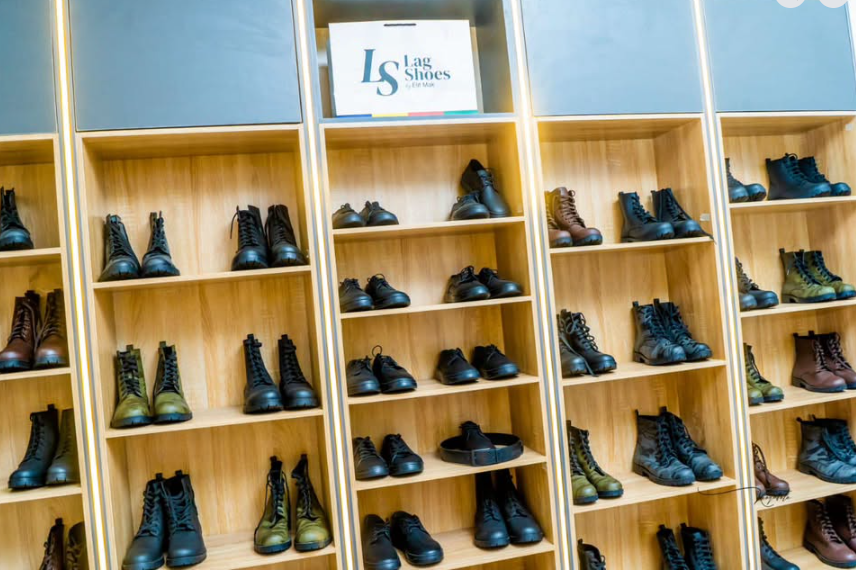
She described creative professionals as entrepreneurs and innovators whose ideas contribute significantly to wealth creation and economic development.
According to her, increased investment in the sector will generate employment opportunities, stimulate entrepreneurship and strengthen the state’s economy.
Participants at the summit engaged in discussions on enterprise development, market expansion, innovation, financing and sustainable business growth.
Industry experts shared practical strategies for improving production standards and increasing access to regional and international markets.
Development partners also explored opportunities for deeper collaboration with the Lagos State Government to strengthen the creative ecosystem.
The conference highlighted the growing importance of fashion and leather industries as contributors to economic diversification in Lagos State.
Stakeholders expressed optimism that stronger partnerships would unlock new business opportunities for emerging entrepreneurs and established brands alike.
The Lagos State Government reiterated its commitment to creating policies that encourage innovation, enterprise growth and global competitiveness across the creative economy.
Officials also reaffirmed plans to continue supporting programmes that empower creative professionals and position Lagos as Africa’s leading hub for fashion, leather and cultural enterprise.
The summit concluded with renewed calls for collaboration among government, private sector investors and development partners to accelerate sustainable growth within the creative industry.