



The Lagos State Government, in partnership with UNICEF, has strengthened efforts to improve social protection by organising a capacity-building workshop for key stakeholders on shock-responsive and adaptive social protection systems.
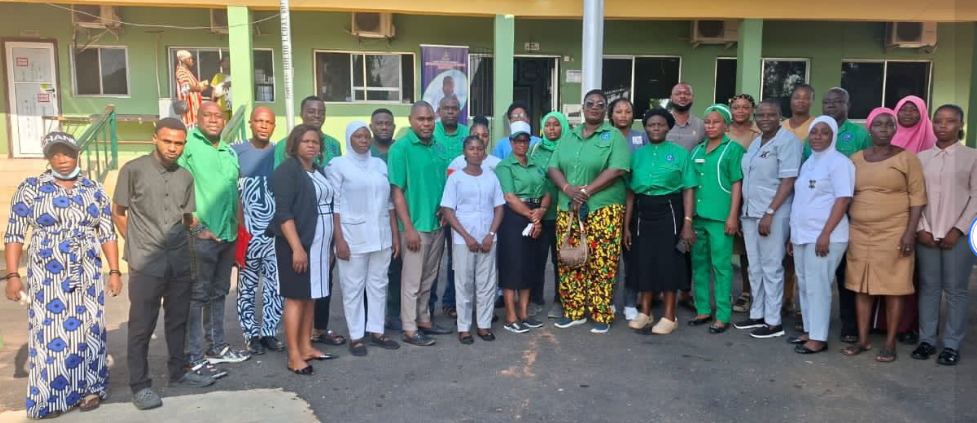
Eko Hot News reports that the workshop, organised through the Ministry of Economic Planning and Budget, brought together members of the Social Protection Implementation Technical Working Group (TWG), Social Protection Focal Persons from Ministries, Departments and Agencies (MDAs), and other stakeholders at The Patron Hotels, Sangotedo.
The training focused on improving the capacity of participants to design and implement social protection systems that can respond effectively to economic, climate-related, and public health challenges affecting vulnerable households across Lagos State.
Delivering the welcome address, the Permanent Secretary of the Ministry of Economic Planning and Budget, Mrs. Olayinka Modupe Ojo, represented by the Director of Budget, Mr. Oluwafemi Orojimi, described the workshop as timely.
She noted that rising economic pressures, climate-related events, and public health challenges have increased the need for stronger and more responsive social protection programmes.
The Permanent Secretary commended UNICEF for its continued partnership in supporting Lagos State’s efforts to improve social protection delivery.
She reaffirmed the Lagos State Government’s commitment to building an adaptive system capable of protecting vulnerable residents during emergencies and other unexpected situations.
According to her, the knowledge gained from the workshop will strengthen evidence-based planning, improve beneficiary targeting, and enhance the delivery of intervention programmes.
She added that the initiative supports women, children, older persons, persons with disabilities, and other vulnerable groups across the state.
The workshop also aligns with the implementation of the Lagos State Social Protection Policy, the THEMES+ Agenda, the Lagos State Development Plan 2052, and the Sustainable Development Goals.
Speaking during the programme, UNICEF Social Policy and Programme Manager, Muhammed Okorie, stressed that adaptive social protection has become increasingly important due to the growing frequency and complexity of economic and environmental shocks.
He said governments should strengthen their social protection systems to enable faster responses during emergencies through better planning, improved targeting, and efficient benefit delivery.
Okorie encouraged policymakers to move beyond traditional safety nets by developing systems that not only provide support but also help vulnerable households recover more quickly.
He described the Lagos State Single Social Register as an essential tool for identifying vulnerable households and improving the effectiveness of intervention programmes.
According to him, expanding the register to include indicators such as malnutrition and out-of-school children would further improve programme targeting and policy implementation.
Participants also explored practical strategies for strengthening institutional capacity and improving coordination among agencies responsible for social protection programmes.
The Lagos State Government and UNICEF reaffirmed their shared commitment to building an inclusive, adaptive, and shock-responsive social protection system capable of meeting the needs of vulnerable residents.
The workshop concluded with renewed optimism that stronger partnerships, improved data, and enhanced institutional capacity will support more effective social protection policies across Lagos State.