



As leaders of the Group of Seven (G7) gather for their annual summit, discussions are increasingly focusing on China’s growing influence and whether the world’s second-largest economy should have a greater role in global economic decision-making.
Eko Hot News reports that China was not part of the original gathering of major industrialized nations when the first summit was held in Rambouillet, France, in 1975. At the time, China was undergoing significant internal changes and was far from becoming the economic powerhouse it is today.
Over the past five decades, China has transformed into one of the world’s leading economies. Its rapid growth has elevated its position in global trade, manufacturing, technology, and investment.
Today, China’s economy is larger than those of several G7 members, including Germany, the United Kingdom, France, Italy, Canada, and Japan. Only the United States maintains a larger economy among the countries represented in the group.
This economic rise has prompted renewed discussions among analysts and policymakers about whether China’s absence from the G7 still reflects modern global realities.
Experts argue that China’s influence on international markets, supply chains, and economic growth makes it impossible to ignore during major global discussions.
According to observers, China’s role extends beyond trade. The country has become a key player in technological innovation, industrial production, infrastructure development, and environmental policy.
Its importance in global commerce means that decisions made by Chinese policymakers often have far-reaching effects on economies around the world.
Despite its economic strength, China has never been considered for formal inclusion under the traditional framework that guides G7 membership.
The group was founded as a gathering of democratic nations committed to open governance, economic cooperation, and shared political values.
Analysts note that this principle remains one of the key factors influencing the composition of the organization today.
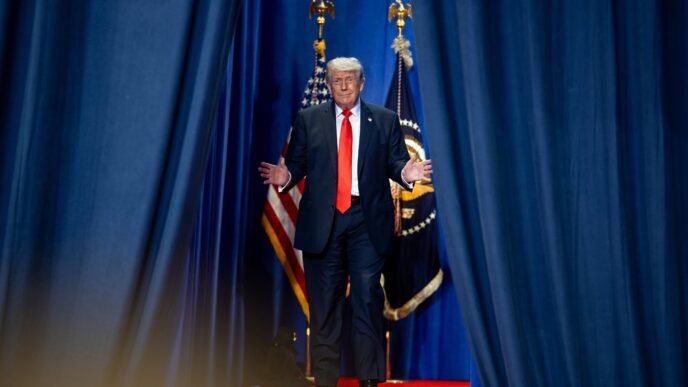
Former discussions about expanding the G7 have surfaced periodically. President Donald Trump previously suggested that enlarging the group could be considered under certain circumstances.
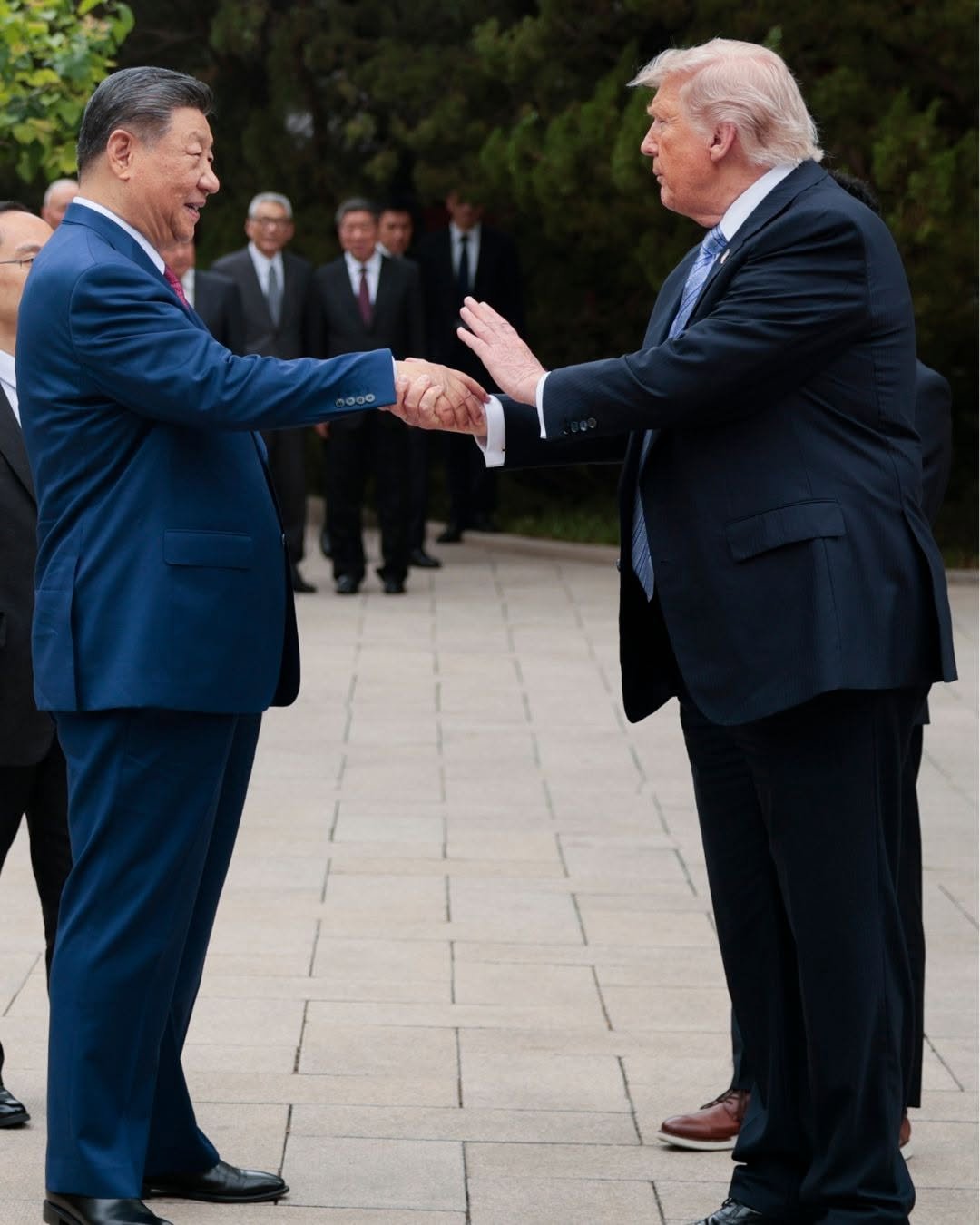
However, many experts believe that adding China could significantly alter the dynamics of the organization and complicate decision-making processes.
Some observers argue that China’s participation could provide valuable perspectives on trade, climate policy, technology, and global development.
Others maintain that the current structure of the G7 is designed around shared governance principles that may be difficult to reconcile with differing political systems.
China’s economic relationship with G7 countries remains complex. It is a major trading partner for many member states and plays a crucial role in global manufacturing networks.
The country also holds a significant position in the production of critical minerals and advanced technologies that are essential to modern industries.
As a result, discussions involving international trade, industrial competitiveness, and economic resilience frequently include references to China’s growing influence.
At the current summit, leaders are expected to discuss strategies for maintaining balanced trade relationships and strengthening economic cooperation among member nations.
China’s industrial output and export capacity remain important topics of discussion among policymakers seeking to address evolving market conditions.
French President Emmanuel Macron and other leaders are expected to explore approaches aimed at ensuring fair competition and sustainable economic growth.
Meanwhile, Chinese officials have consistently emphasized the importance of international cooperation and constructive dialogue.
Beijing has called for greater collaboration among major economies to address shared global challenges, including economic development, environmental sustainability, and technological advancement.
Analysts say China continues to monitor G7 discussions closely because decisions made by the group can influence international economic trends and policy directions.
Although formal membership remains unlikely in the near future, China’s influence ensures that it remains a central topic during major global summits.
Experts note that the country’s economic scale, technological progress, and global partnerships make it one of the most important actors in international affairs.
As the G7 meeting continues, questions about global representation, economic influence, and international cooperation are expected to remain central to discussions.
The debate over China’s role highlights the changing nature of the global economy and the growing importance of inclusive dialogue among leading nations.