



Chief Executive Officer of Saudi Aramco, Amin Nasser, has warned that continued disruption in the Strait of Hormuz could delay the recovery and stabilization of the global oil market until 2027.
Eko Hot News reports that Nasser made the statement during a call with analysts while discussing the company’s first-quarter financial results, which reportedly exceeded market expectations.
According to the Aramco chief, the current energy supply challenge is one of the largest disruptions experienced globally in recent times.
He explained that prolonged interruptions in oil supply routes could make it more difficult for the global energy market to rebalance within a short period.
Nasser noted that if the disruptions continue for several more weeks, the process of restoring stability in the oil market could take significantly longer.
He further stated that the timeline for recovery may extend into 2027 if the situation persists until mid-June.
The Strait of Hormuz remains one of the world’s most important energy shipping routes, connecting major oil-producing countries to international markets.
Global energy analysts have continued to monitor developments in the region due to concerns over supply chain disruptions and rising energy costs.
The recent disruption reportedly followed heightened tensions involving Iran, the United States, and Israel, leading to concerns over maritime operations in the area.
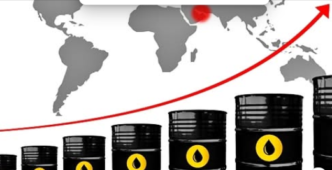
The situation has contributed to increases in global oil prices, raising fears of inflationary pressure and slower economic growth in several countries.
Market observers say uncertainty in the energy sector could affect fuel prices, transportation costs, and industrial production worldwide.
Experts have also warned that prolonged instability in global oil supply routes may place additional pressure on economies already facing inflation challenges.
Energy traders and financial analysts continue to monitor the situation closely as governments and industry stakeholders assess possible economic implications.
Saudi Aramco remains one of the world’s largest oil producers and plays a major role in global energy supply and pricing trends.
The company’s first-quarter performance reportedly reflected strong operational results despite ongoing concerns within the international energy market.
Industry experts believe stability in key shipping routes remains essential for maintaining balanced oil supply and supporting economic recovery globally.
Observers also note that developments in the Middle East often have significant influence on international energy markets and commodity pricing.
Several countries have continued discussions around alternative energy sources and supply diversification to reduce dependence on unstable global supply routes.
Economic analysts say prolonged increases in oil prices could impact transportation, manufacturing, and consumer costs across different regions.
Global markets are expected to continue responding to developments surrounding the Strait of Hormuz and broader energy supply concerns in the coming weeks