





The United States has launched a new round of airstrikes against Iran following an attack on American troops in Jordan, further escalating tensions in the Middle East.
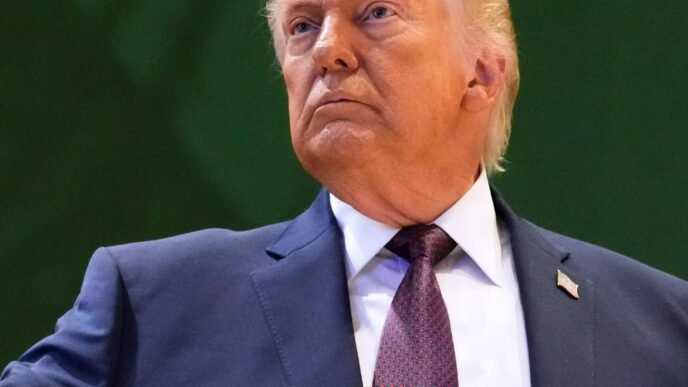
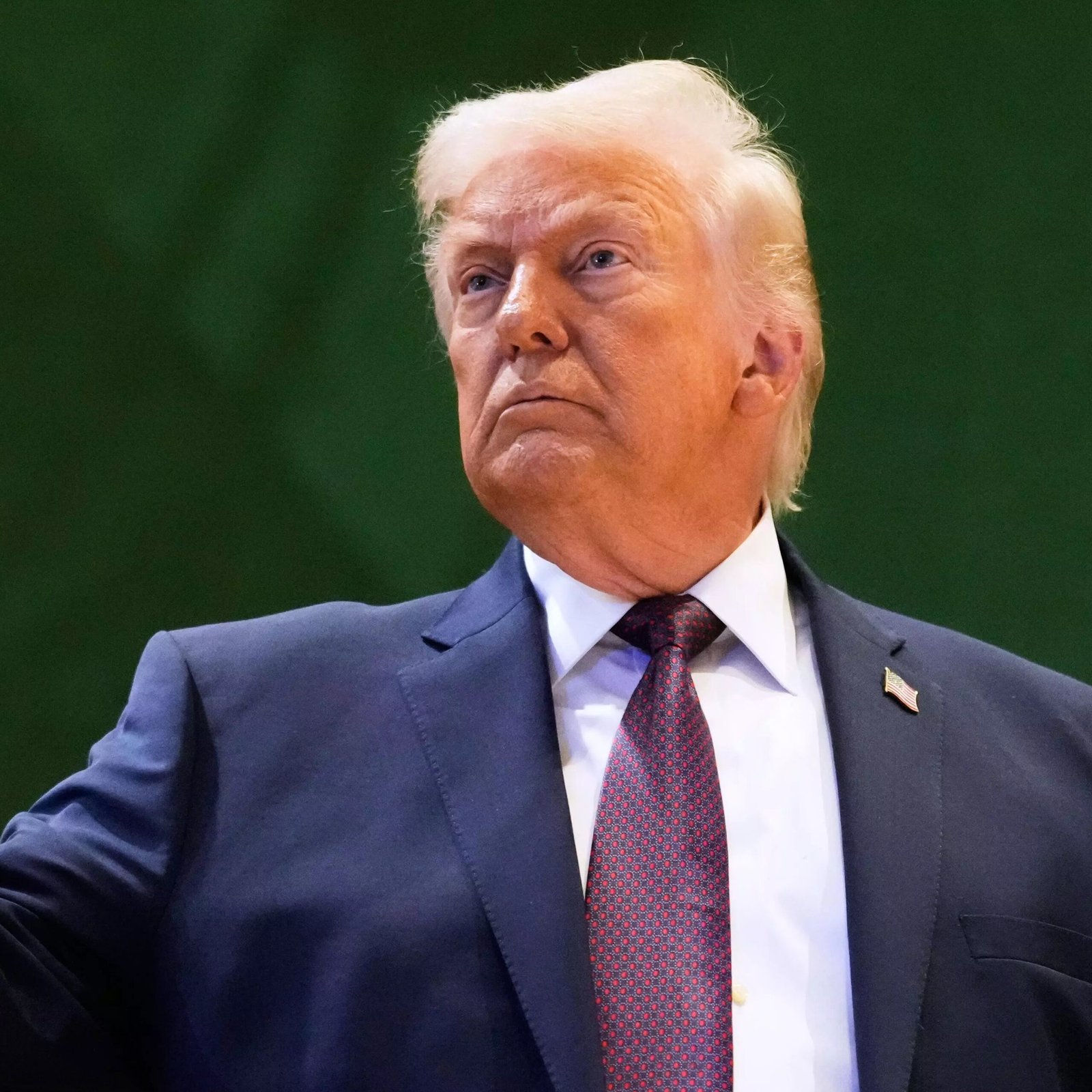
Eko Hot News reports that U.S. Central Command (CENTCOM) said President Donald Trump ordered the operation after a missile attack in Jordan claimed the lives of two American service members. The military said the strikes were aimed at responding to the incident and reducing Iran’s ability to threaten maritime security in the Strait of Hormuz.
According to CENTCOM, the latest operation targeted facilities linked to Iran’s Islamic Revolutionary Guard Corps (IRGC). Officials said the strikes were designed to weaken military capabilities associated with recent regional attacks.
The U.S. military stated that the operation also sought to reduce Iran’s capacity to disrupt commercial shipping through the Strait of Hormuz, one of the world’s most important maritime trade routes.
The Strait of Hormuz serves as a key passage for global oil exports and international commerce. Any disruption along the waterway has the potential to affect energy markets and global supply chains.
President Trump authorized the strikes shortly after receiving military assessments on the attack in Jordan, according to U.S. officials. The administration described the action as part of broader efforts to protect American personnel and maintain freedom of navigation.
Military officials said the operation involved precision strikes against selected targets. They added that the objective was to limit future threats while supporting regional stability.

The latest action follows several months of heightened tensions involving U.S. forces and Iran. Both countries have exchanged accusations over regional security and maritime activities.
American officials have continued to emphasize the importance of protecting military personnel stationed across the Middle East. They also reaffirmed their commitment to safeguarding international shipping routes used by commercial vessels.
Security analysts say the Strait of Hormuz remains one of the world’s most strategically important waterways. A significant share of global crude oil exports passes through the narrow channel each day.
International observers continue to monitor developments closely because of the potential impact on regional stability, energy markets and global trade.
The latest military operation has drawn worldwide attention as governments assess its possible diplomatic and economic implications. Several countries have called for continued dialogue aimed at reducing tensions in the region.
Experts note that developments involving the Strait of Hormuz often influence international oil prices because of the route’s importance to global energy supplies.
Regional security remains a priority for governments with commercial interests in the Gulf. International maritime agencies continue to monitor shipping activity and provide guidance to vessels operating in the area.
CENTCOM said U.S. forces remain prepared to respond to threats against American personnel and international maritime traffic. Officials added that operations will continue to focus on maintaining regional security and protecting strategic interests.
Diplomatic observers say future developments will depend on ongoing military assessments, regional engagement and efforts by international partners to encourage stability.
The situation continues to evolve as governments and international organisations monitor security conditions across the Middle East. Additional updates are expected as officials release further information regarding the operation and its broader implications.