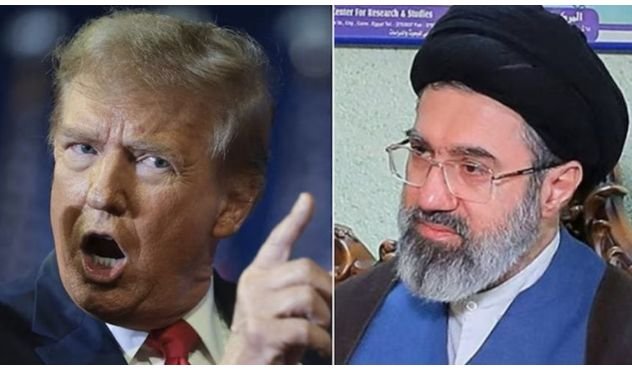




Iran has warned that it would respond by targeting Tel Aviv if the United States expands its military campaign against Tehran, according to reports citing Iranian officials familiar with the country’s position.
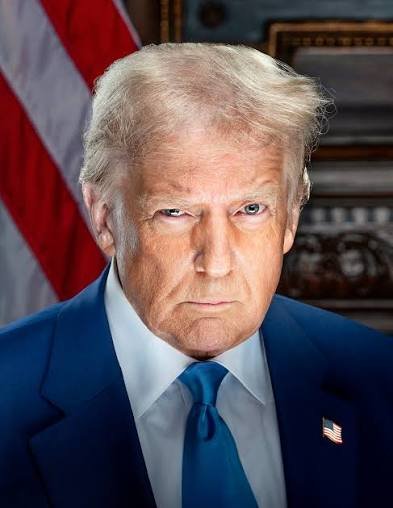
Eko Hot News reports that the warning comes as tensions remain high in the Middle East following recent statements by U.S. President Donald Trump regarding possible additional military action against Iran. The development was first reported by The New York Times, citing Iranian officials, and has since been referenced by multiple international media outlets.
According to the report, Iranian officials said any direct U.S. action against Tehran or the country’s critical infrastructure would trigger a broader regional response.
The officials reportedly stated that Israel could become a target of retaliation even though it has not participated in the latest phase of the conflict between Washington and Tehran.
Iranian authorities said their armed forces are preparing for different scenarios should the conflict expand beyond its current scope.
The report added that Tehran is monitoring developments closely while evaluating possible responses to any future military decisions by the United States.
Officials also indicated that Iran could ask allied groups in the region to increase pressure on strategic maritime routes if hostilities intensify.
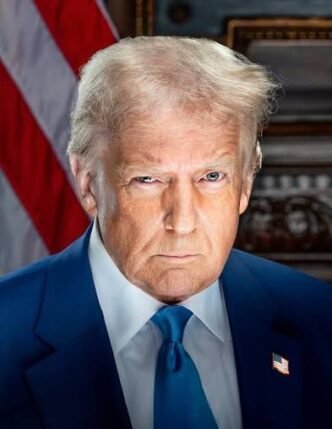
The latest warning follows comments by President Trump suggesting that his administration is considering broader military options in response to developments involving Iran.
While the White House has not announced a final decision, officials have confirmed that several policy options remain under review.
Diplomatic observers say the exchange of warnings reflects the fragile security situation currently facing the Middle East.
Regional governments have continued to call for dialogue and restraint while monitoring the evolving situation.
International organisations have also expressed concern over the possibility of further escalation and have encouraged renewed diplomatic engagement.
Analysts believe continued communication between regional and global powers will be important in reducing tensions and preventing further deterioration.
The United States and Iran have exchanged strong statements in recent weeks as diplomatic efforts continue alongside heightened military preparedness.
Foreign policy experts note that public warnings often form part of broader strategic messaging during periods of geopolitical uncertainty.
They also stress that diplomatic channels remain important even when official positions appear far apart.
Several governments have continued consultations with regional partners to assess the implications of the latest developments.
Energy markets and international investors are also closely watching events because of the Middle East’s importance to global trade and energy supplies.
The Strait of Hormuz and other strategic maritime routes remain key areas of international attention as policymakers monitor regional stability.
Security analysts believe any expansion of the conflict could have wider economic and diplomatic implications beyond the region.
Despite the heightened rhetoric, many international stakeholders continue to encourage peaceful dialogue and negotiated solutions.
Governments across Europe, Asia and the Middle East have repeatedly emphasised the importance of diplomacy in addressing regional disputes.
Observers say the coming days may prove significant as Washington reviews its next steps and Tehran continues to communicate its position through official channels.
Neither the White House nor Iranian authorities have announced any new diplomatic breakthrough following the latest reports.
The situation remains fluid, with governments and international organisations continuing to monitor developments closely.
For now, attention remains focused on whether diplomatic engagement can help ease tensions and support efforts toward regional stability while avoiding further escalation